





















nbc olympics: Broadcasters' Narratives Clash With the Most Compelling Stories in Milan

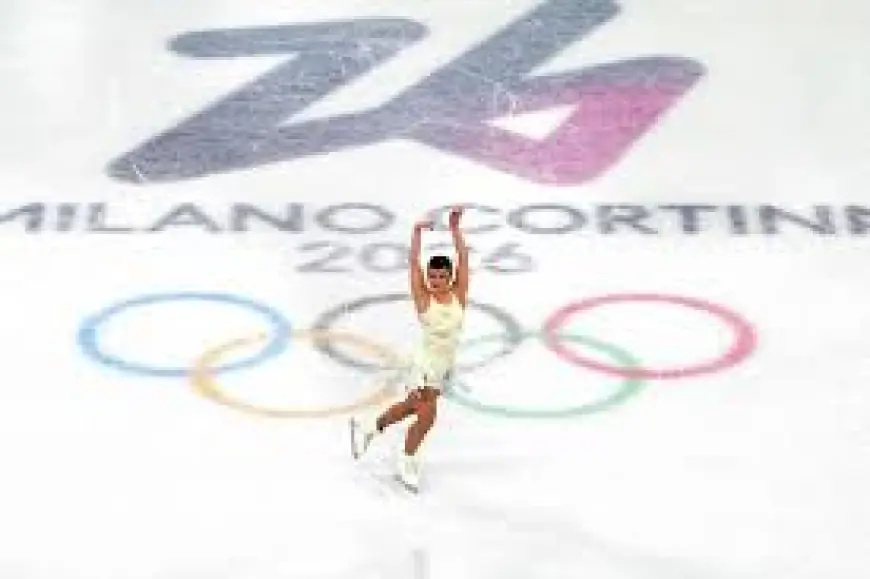
The Winter Games in Milan-Cortina continue to deliver dramatic, human and technical stories that often outshine tidy broadcast narratives. While on-ice emotion and curated storylines dominate highlight reels, several lesser-seen moments — a return from devastating injury, a ski jumper conquering vertigo, a choreographer wearing many hats and an ice technician performing a viral moonwalk — are redefining what makes these Games memorable.
Comebacks, droughts and breakout victories
Some of the most powerful storylines have little to do with pre-Games expectations and everything to do with resilience. Italian skier Federica Brignone returned from a catastrophic leg injury — including a dislocated knee and fractured tibia and fibula — and within months transformed tentative rebuilding runs into two gold medals. Her recovery, which included a first return to gentle skiing in November, has become emblematic of the grit on display across the alpine events.
Elsewhere, a long-awaited triumph finally arrived in the slalom, ending an elite skier's winless stretch at the Games and offering a reminder that top athletes can reassert dominance when it matters most. On the ski jump hill, an unlikely gold stunned the field: an athlete who had struggled with vertigo and an underwhelming World Cup résumé delivered two remarkable jumps to take top honors in the normal hill individual event, rewriting expectations in a single weekend (Monday ET in competition).
These outcomes are vivid because they expose the raw variables that make winter sport compelling: comeback timelines, injury management, and the razor-thin margins that separate podium finishers from the rest of the pack.
Backstage craft and small details stealing headlines
Not every standout moment comes from the scoreboard. A choreographer working with multiple national teams became a visual symbol of collaboration and logistical choreography off the ice. Shifting jackets between skaters from different countries in rapid succession, this coach-choreographer moved from one team to another — sometimes supporting several athletes in a single night — an intense logistical ballet that reinforced the multinational nature of elite figure skating.
On the rink and the curling sheets, the invisible labor behind pristine performance has drawn fresh attention. The head ice technician in charge of curling surfaces has become something of an overnight sensation for a moonwalk-like step he uses while preparing the ice. Beyond the social-media-friendly moves lies meticulous craft: purified mountain water layered into minute textures called pebbling, with technicians monitoring temperature, humidity and frost through long, 17-hour workdays to create the conditions that let stones curl predictably.
That blend of precision and personality — technicians with signature moves, choreographers switching allegiances and innovative storytelling on the ice — adds a human layer to what viewers often experience as sterile production gloss.
Controversies and rule enforcement that shift the playing field
The Games have also been reshaped by equipment and rule enforcement. Several cross-country and snowboard athletes were disqualified when their skis tested positive for fluorinated wax, a substance banned by the sport’s governing body since 2019. The results-nullifying tests led to shocked teams and last-minute reshuffling of starting lists, underscoring that policing equipment remains central to fairness in technical winter disciplines.
These incidents are a reminder that behind the glamour of medals and creative programs sits a dense regulatory framework. Enforcement can change outcomes in an instant and elevate conversations about ethics, environmental impact and technological arms races in snow sports.
What emerges from these weeks is a simple editorial truth: the most compelling Olympic moments are often those that resist neat packaging. Comebacks, small-team improvisations, the invisible work of technicians and sudden enforcement decisions all point to a Games that are as unpredictable as they are moving. Viewers, commentators and producers alike are being asked to keep pace — and to remember that the best stories sometimes live just off the broadcast script.