























news: Trump pulls US support for Chagos deal, prompting '1936 moment' defence warnings

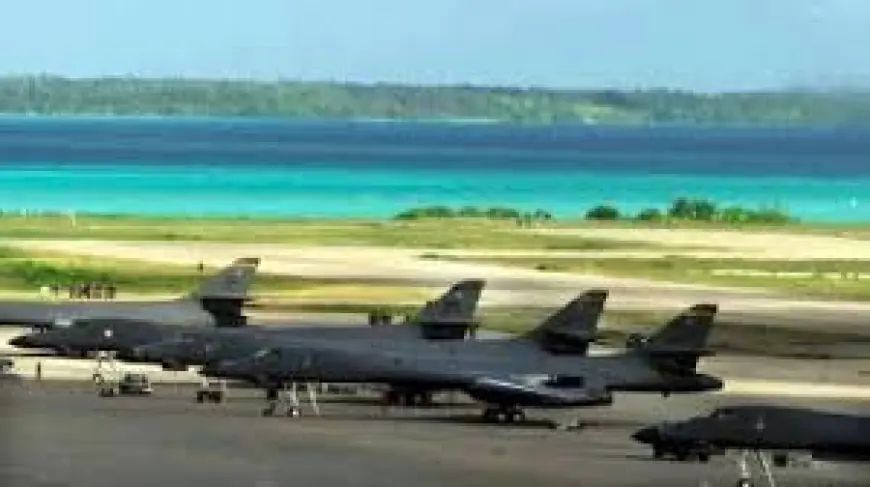
President Donald Trump has withdrawn public backing for a long-negotiated plan to transfer sovereignty of the Chagos Islands, singling out the strategically located Diego Garcia and warning the island must remain available for potential US military use. The reversal has intensified debate over Britain’s defence posture, with senior ex-military figures urging an urgent and large increase in defence spending.
Trump reversal on Diego Garcia raises strategic alarms
In a sharp change of tone this week, the president wrote that the UK prime minister should not cede control of Diego Garcia to Mauritius, saying the base is crucial should the United States need to take action against Iran. The move follows earlier endorsement of the agreement by US officials earlier in the week, creating a public split between the president’s comments and the State Department’s prior position.
The president warned that losing control of the island would be a mistake and suggested that US forces — potentially operating from Diego Garcia and other UK airfields — might be required to counter a “highly unstable and dangerous regime. ” A White House press aide said the president’s post should be taken as the policy of his administration. The UK government has framed the negotiated sequence of arrangements as the only way to secure the long-term future of the joint military base while progressing a transfer of sovereignty.
Defence chiefs issue stark warning, call for higher spending
The public clash has coincided with an intervention from former senior military leaders and ex-ministers who say Britain risks a repeat of a 1936-style strategic crisis unless defence policy is overhauled. The group described current threats as severe and called for defence spending to be sharply increased — with some suggesting a target of around 5% of GDP.
They argue that commitments such as guaranteeing access to key bases, maintaining credible rapid-response forces and ensuring long-term deterrence require sustained investment. MPs and ministers now face pressure to set out whether the government will meet that scale of increase or pursue a more modest uplift. Supporters of higher spending stress that modern defence requires investment not only in personnel and equipment but in logistics, intelligence and the diplomatic frameworks that underpin basing arrangements.
Political fallout and regional implications
The president’s comments have provoked strong domestic reaction from UK politicians who portray the intervention as a public rebuke of the prime minister’s foreign policy choices. Critics warn that mixed signals between allied capitals complicate long-term planning for basing and force posture in the Indian Ocean and beyond.
Separately, there are signs that officials are weighing tougher controls on access to UK airfields for foreign military operations, particularly if political disagreements over basing and sovereignty persist. Analysts say those discussions reflect a broader reassessment of how closely defence and foreign policy should be tied to shifting transatlantic politics.
Beyond the immediate Chagos dispute, the week’s headlines have included discussions on central bank leadership transitions in Europe and a series of domestic justice and governance stories, but it is the renewed spotlight on Diego Garcia and the demand for a fresh defence settlement that looks set to dominate Westminster’s agenda in the coming weeks. Ministers will need to balance alliance management, legal obligations arising from the sovereign transfer and the urgent strategic concerns flagged by former service chiefs.
With the transfer timetable still under negotiation and the possibility of further political interventions, the situation remains fluid. Observers say the next steps by both capitals will be watched closely by regional partners and military planners who rely on clarity over access to key facilities.