





















cnn: Data guru warns ‘no floor’ as Trump approval sinks and midterms strategy shows cracks

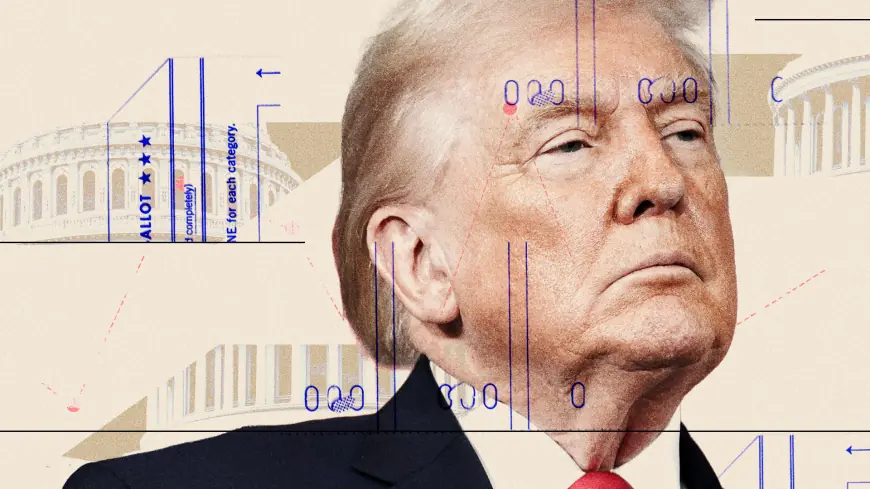
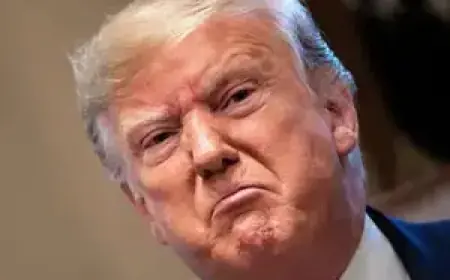
President Donald Trump’s standing with voters has dipped to levels that are forcing campaign and White House aides to rethink a midterm plan built on reproducing the turnout that powered his 2024 win. A leading data analyst warned that the president’s approval may have “no floor, ” even as party operatives convene emergency strategy sessions and a rash of special-election losses deepens Republican worries.
Data alarms: approval lows and the ‘no floor’ warning
National polling aggregates put the president’s approval around 41%, the lowest point in nearly a year. On Monday (ET), several major national surveys registered the weakest second-term readings for the president in months, prompting a blunt assessment from data analyst Harry Enten that there may be no clear floor to how low the president’s approval can fall. Enten highlighted that the president’s numbers are significantly worse in multiple tracking polls and noted that comparable readings for the prior president at the same juncture were stronger.
Polls show the president trailing on his once-strong suits: economic judgment and immigration enforcement. One tracking poll had the president nearly 20 points underwater on general approval, and other surveys placed him deep in negative territory on pocketbook issues and public confidence in federal immigration operations. Those dual weaknesses are particularly troubling for a party counting on the president’s brand to blunt Democratic gains in 2026.
Midterms strategy under strain: seat flips, private huddles and a campaign blitz
Republican strategists are confronting two concrete setbacks as they prepare for the midterms. First, a string of special-election victories for Democrats flipped nine districts won by the president in 2024, erasing some of the post‑election gains the GOP had counted on. Second, internal planning has shifted from posture to panic: top campaign hands, veteran pollsters and White House aides recently gathered at a private Capitol Hill venue to reassess tactics and messaging ahead of the fall.
The administration has responded with a near‑constant campaign rhythm. The president has been crisscrossing key states with Vice President JD Vance and dispatching Cabinet members to tout economic achievements, while senior staffers including chief of staff Susie Wiles and her deputy James Blair are running rapid-fire internal reviews of messaging and candidate support. Former campaign officials and long-time pollsters also joined the closed-door meetings to vet whether a 2024-style turnout strategy — placing the president squarely on the ballot to energize low-propensity voters — can be replicated in a midterm environment.
But the coalition that delivered an unexpected presidential victory — including gains among voters of color, younger voters and low-propensity participants — appears frayed. Analysts warn that those groups have become more hostile to the president since the inauguration and may either stay home or vote against his party, undermining the very strategy designed to protect Republican majorities in both chambers.
What’s next: recalibrating ahead of a precarious cycle
Party leaders face a narrow window to reverse momentum. The president’s team is doubling down on retail events and economic messaging, and lawmakers close to the White House are advising a mix of targeted investments and high-profile campaigning in vulnerable districts. At the same time, the political environment that favored the president last cycle — weak opposition turnout combined with a mobilized, distinct coalition — may not be replicable in a midterm, when turnout typically favors the opposition.
For now, the calculus inside the party centers on whether aggressive presidential engagement can offset an unfavorable polling trend and recent special-election reversals. With approval ratings at the lowest point of the term, private strategy sessions multiplying and a data analyst publicly questioning whether a floor exists for the president’s numbers, Republicans are confronting a harsher electoral landscape than many had expected.