


















Trump Order Seeks to Ramp Up Domestic Production of glyphosate, Prompting Backlash

Feb. 19, 2026 (ET) — President Trump signed an executive order late Wednesday invoking the Defense Production Act to accelerate domestic production of glyphosate, the active ingredient in a widely used weedkiller, setting off fierce debate among public health advocates, environmental groups and allies in the administration.
National security rationale versus health concerns
The administration argued that glyphosate and the phosphorus used to manufacture it are critical to agricultural productivity and therefore to national security. The order directs the agriculture secretary, in consultation with the defense secretary, to set nationwide priorities and to compel production if necessary to ensure an adequate supply.
Champions of the move say the measure is intended to prevent supply shortfalls that could strain the domestic food system. Critics counter that elevating a controversial chemical to the level of a defense priority sidesteps questions about long-term health and environmental effects.
Glyphosate has been central to regulatory and legal battles for years. Some scientific panels and court cases have linked the chemical to potential cancer risks, while other regulatory bodies have concluded the risks to the general population are low. The International Agency for Research on Cancer classified glyphosate as "probably carcinogenic to humans" in 2015, while the U. S. Environmental Protection Agency has concluded it is "not likely to be carcinogenic to humans. " The divergent conclusions have fueled intense public debate and litigation.
Political fallout: allies split, supporters angered
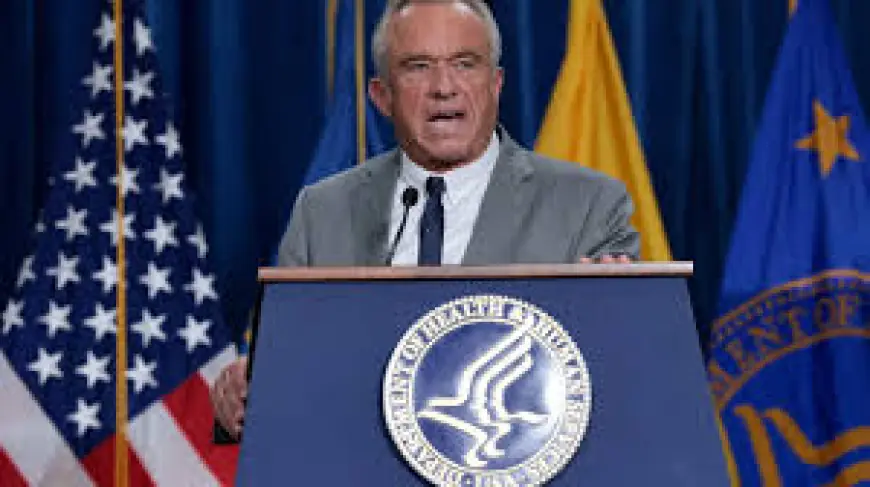
The executive order complicated the political landscape by placing the health secretary, who has previously campaigned against pesticide harms, in an awkward position. As a private citizen and plaintiff's lawyer, he helped secure a multimillion-dollar jury verdict in a landmark case that alleged the weedkiller caused non-Hodgkin's lymphoma. He has also led a commission that flagged glyphosate as potentially harmful to children.
Despite that record, the health secretary issued a statement backing the president, calling the order a move that "puts America first where it matters most — our defense readiness and our food supply, " and adding that national security must be prioritized because it underpins other priorities. That endorsement prompted an immediate backlash from some of his political supporters, who had expected stricter action on pesticides.
Vani Hari, a prominent healthy-eating advocate aligned with the health secretary's nutrition agenda, said the order felt like a betrayal: "MAHA voters were promised health reform, not chemical entrenchment, " she said, describing the measure as an attack on the movement's goals. A leading environmental advocate called the move a severe affront to parents and grassroots supporters who had pushed for tighter limits on chemical exposure.
What comes next
Implementation will turn on direction from the agriculture and defense secretaries. They have authority under the Defense Production Act to prioritize contracts and, if necessary, mandate production to shore up supplies. Industry representatives have signaled they can respond to increased demand, while environmental and public health groups warn that expedited production could expand use and availability without resolving lingering scientific disputes.
Legal and regulatory fights over glyphosate are likely to continue. Courts remain a venue for plaintiffs who contend the chemical causes cancer, while scientific panels and agencies will continue to review evidence. The executive order elevates supply stability over those controversies for now, but it also amplifies pressure on regulators and political leaders to reconcile food security concerns with public health priorities.
For the administration, the immediate objective is clear: reduce the risk of shortages that could disrupt crop management and food production. For critics, the order raises broader questions about how chemical safety is weighed against economic and security arguments—and whether political calculations are reshaping long-running debates over the use and regulation of widely applied pesticides.