























Las Vegas Winter 2026: Severe Weather Disrupts Flights and Roads

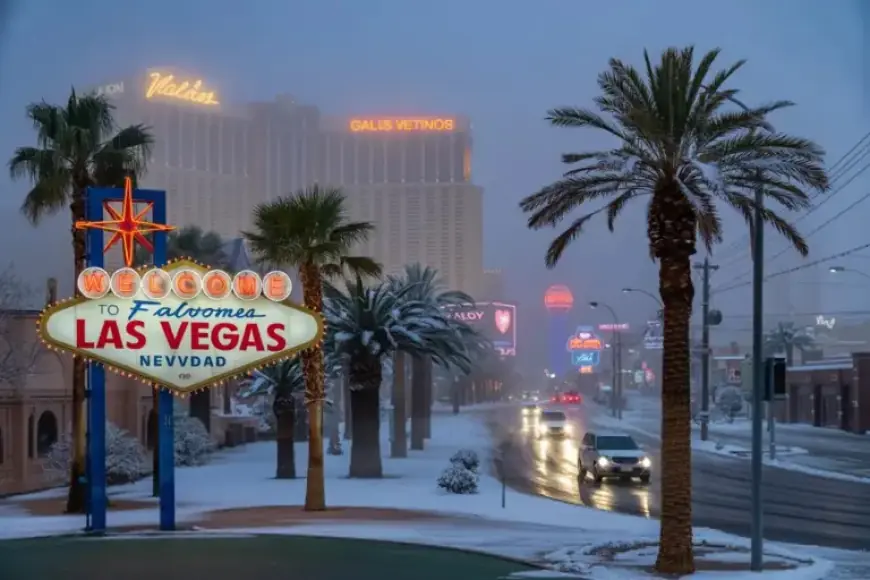
On February 18, 2026, Las Vegas experienced a rare and severe winter weather event that disrupted the city’s atmosphere, typically characterized by warmth and sunshine. This extraordinary storm affected both local residents and the influx of tourists, leading to significant travel delays and hazardous road conditions.
Flight Disruptions at Harry Reid International Airport
Harry Reid International Airport (LAS) faced substantial challenges due to the extreme weather. While Las Vegas itself did not suffer from heavy snowfall, it was impacted by high winds and plummeting temperatures. These conditions resulted in major setbacks for air travel.
- Total Delays: Over 229 flights experienced delays of 15 minutes or more.
- Cancellations: At least 11 flights were canceled entirely.
- Most Affected Carrier: Southwest Airlines reported 163 delays and 7 cancellations within a single morning.
The Federal Aviation Administration (FAA) instituted Traffic Management Programs, causing average arrival delays between 60 to 90 minutes at LAS. The storm’s effects rippled beyond local flights, as weather issues in major hubs like Denver and Chicago further complicated travel plans.
Road Conditions and Safety Warnings
Outside the airport, the winter weather resulted in difficult driving conditions across the Las Vegas area. The National Weather Service (NWS) issued advisories predicting snow accumulations of 1 to 3 inches at higher elevations. Interstate 15, a crucial route for travelers, faced treacherous conditions.
- Mountain Pass and Halloran Springs Summit: Encountered low visibility and black ice, leading to multiple accidents.
- Major Traffic Disruptions: An overturned vehicle caused significant delays on I-11 and the 215 Beltway in Henderson.
The Human Impact of the Storm
The consequences of the storm extended beyond numerical data. Business travelers attending conventions found themselves unable to reach their destinations on time, while tourists struggled with unexpected cold. Many families had to purchase heavy clothing at inflated prices as they dealt with the unanticipated weather.
Local residents, unaccustomed to such weather and lacking proper equipment for snow removal, faced interruptions in their daily lives. The city’s limited infrastructure to manage snowfall led to lingering ice on roads, causing further inconveniences.
Understanding the Meteorological Context
This extraordinary winter event is attributed to a “Warm La Niña” pattern, which has resulted in erratic weather conditions during the 2025–2026 winter season. Although February had previously been mild, this specific cold front brought moisture that triggered an unusual winter storm.
Looking Ahead: Recovery and Tips for Travelers
As the storm moves eastward, Las Vegas must recover from its impacts. Officials recommend that passengers check their flight statuses through airline applications, as full recovery of flight schedules may take 48 to 72 hours.
- Layering for Weather: Travelers should prepare for fluctuating temperatures, typically between 60°F days and 30°F nights.
- Consider Travel Insurance: Ensure coverage includes delays due to weather disruptions at distant hubs.
- Emergency Road Kit: Always carry essentials such as water, a flashlight, and blankets when driving on I-15 during winter.
The February 2026 winter storm in Las Vegas serves as a reminder of nature’s power and unpredictability. As the city adapts to these challenges, residents and travelers alike must prepare for potential future weather events.