


















arkansas vs alabama coverage disrupted as site shows '429 Too Many Requests' error

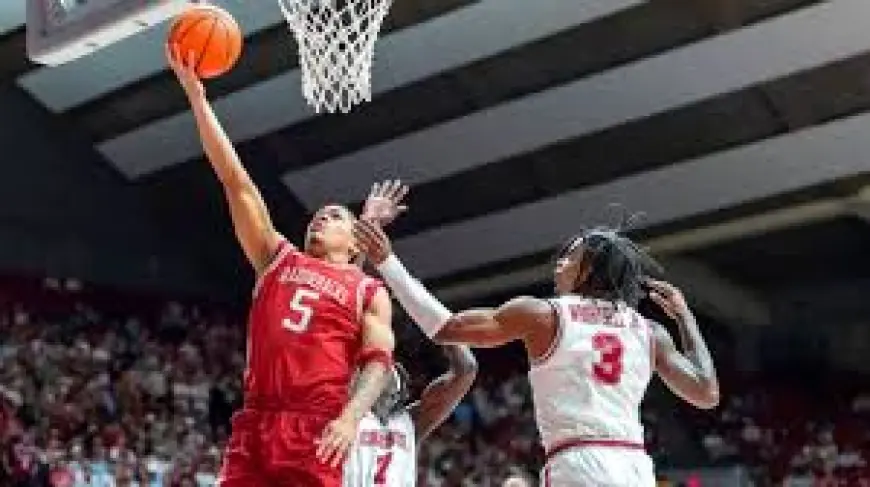
Live coverage of the arkansas vs alabama matchup was interrupted when a leading sports website returned a prominent "429 Too Many Requests" message, leaving fans unable to access live stats, play-by-play updates and highlight clips during a crucial window of the game. The error sparked confusion among viewers and widened frustration over reliance on single-point digital coverage for major sporting events.
What viewers experienced during the outage
Fans attempting to follow the game online encountered a server-side rate-limit message that prevented pages from loading. The error text indicated that the site was receiving too many requests in a short period and temporarily blocked additional traffic. As a result, real-time box scores, in-game win probability metrics and refreshable play-by-play feeds were unavailable for many users.
Social feeds filled with screenshots of the error message and complaints from users who rely on the website for live updates. Viewers watching through third-party score trackers or team apps reported inconsistent data, while those hoping for on-demand highlight clips found video pages failing to load or stalling during key moments.
Local fans in both team markets voiced frustration about missing critical stretches of the contest, noting that the outage disproportionately affected people accessing coverage from mobile devices and popular browsers.
Technical implications and fan impact
A "429 Too Many Requests" error typically points to throttling mechanisms intended to protect infrastructure from overload. When a surge in traffic overwhelms backend services, rate limiting can prevent systems from fulfilling requests, leading to temporary blocks for some users. In high-stakes college football matchups, traffic spikes often come from both casual and committed fans refreshing live pages, automated score bots and highlight-hungry viewers.
The practical consequence during the arkansas vs alabama game was a fragmentation of the viewing experience. Fans who could not access the primary site scrambled for alternatives: radio broadcasts, team social channels, other score aggregators and delayed highlight packages. For those at watch parties or in stadium concourses relying on one platform for coordinated viewing, the interruption complicated communal game-watching plans.
Beyond immediate inconvenience, the outage underscores a broader challenge for sports coverage: how to ensure resilient, redundant delivery of live information at peak demand. Technological safeguards like traffic sharding, content delivery network scaling and prioritized API access can mitigate such incidents, but implementation and preparedness vary widely across services.
What comes next and what fans should do
Engineers often restore service by adjusting rate limits, adding temporary capacity or re-routing traffic through additional servers. Once traffic stabilizes, blocked users generally regain access. Fans looking to avoid disruption in future matchups should consider several practical steps: follow multiple official team or conference channels, enable push alerts from a variety of score apps, and have a radio or broadcast option ready for live audio if online pages fail.
For now, viewers will be watching how the technical teams respond and whether follow-up changes are made to prevent similar outages during high-profile games. The episode serves as a reminder that major sporting events draw concentrated demand that can expose weaknesses in even well-trafficked digital platforms—and that fans increasingly expect seamless, 24/7 access to live sports information.