

























ramadan start divides communities as moon sighting leads to staggered observances

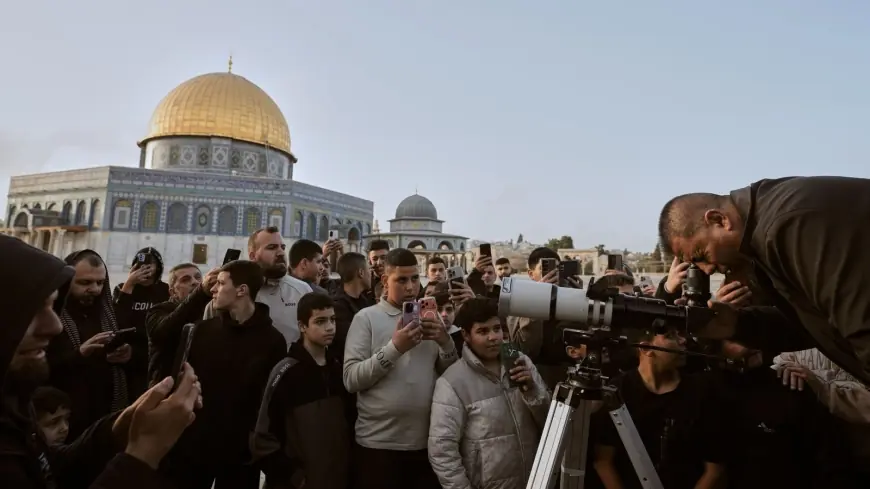
Muslim communities around the world have entered the holy month of ramadan amid differing rulings on the lunar sighting, producing staggered start dates and renewed debate over how the month should be fixed. While some countries observed the first fast on 18 February, others began a day later, leaving families and institutions navigating a split calendar.
Moon-sighting differences produce split start dates
The ninth month of the Islamic lunar calendar begins when the new crescent moon is sighted, a practice that can produce variations of a day or two between countries and communities. One country declared 18 February as the first day of fasting after teams looked for the crescent following sunset; those observations took place after the sun set at roughly 6: 00 p. m. local time, which is about 10: 00 a. m. ET. Other nations and communities opted to start on 19 February, citing either different moon sightings or the use of astronomical calculations and local visibility.
The result is a familiar pattern: in parts of the Middle East and some neighboring regions, fasting began a day earlier, while much of Asia and several other countries observed the start a day later. The divergence echoes long-standing practices in which local sighting, regional sighting, or sighting over specific traditional locations can all influence when the month is declared to have begun.
Communal rituals, spiritual reset and practical pressures
For many Muslims, ramadan is a month of intensive worship and community life: daytime fasts are broken each evening with iftar meals and nights are often given over to additional prayers. In smaller island communities, leaders describe the month as a time to “super-fast charge” spiritually and mentally for the year ahead. Those words capture a view of ramadan as a concentrated period for renewing faith and values.
Local organizers say the ritual of gathering for iftar fosters belonging, especially for people living far from families. One community centre trustee noted that nightly iftar gatherings draw roughly 65 to 70 people, creating a tangible sense of togetherness. At the same time, growing congregations are placing pressure on limited prayer and community spaces, prompting organisers to improvise arrangements to accommodate increasing numbers.
Speakers emphasise the personal side of the month as well: fasting teaches patience and self-restraint, and many participants describe the experience as a spiritual reset designed to shape behaviour long after the month ends. Organised events at mosques and community centres aim to bridge distances for those separated from relatives and to ensure that the communal aspects of ramadan remain accessible.
Calls for a more unified approach in plural communities
The split start has revived calls within some countries for a single national approach to determining ramadan’s start. Community leaders point to the practical difficulties of having families and institutions observe different calendars—separate start dates can complicate schooling, workplace arrangements and the scheduling of major religious observances.
Some argue the country should rely on local moon-sighting efforts; others favour following sightings from traditionally significant locations or using astronomical calculations to set a predictable, unified calendar. Advocates for unity say a single, agreed method would reduce confusion and ease social coordination, while critics note that the diverse makeup of many Muslim populations makes reaching consensus challenging.
For now, the month has begun in homes, mosques and community halls across the globe, with worshippers settling into the familiar rhythm of dawn-to-sunset fasting, evening prayer and communal meals—each community finding its own balance between tradition, practicality and spiritual renewal.