






















New Orleans Revels in fat tuesday Spectacle as Carnival Comes to a Roaring Close

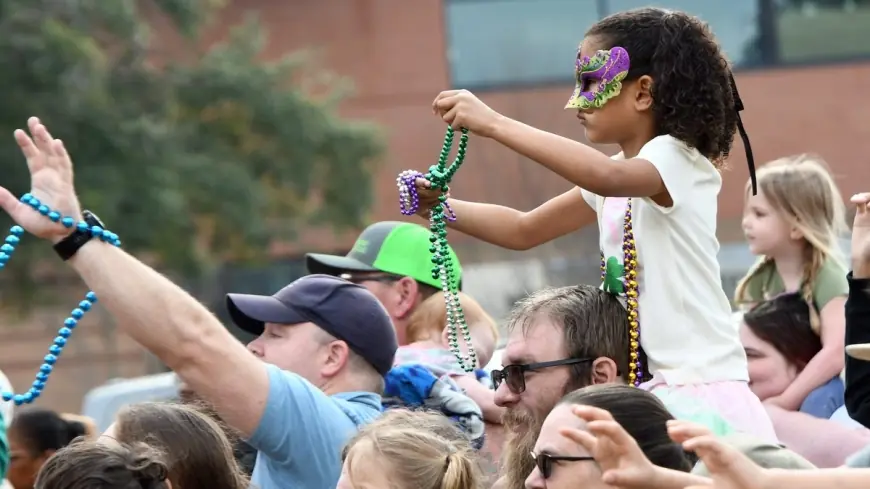
New Orleans awoke to a glittering, music-filled celebration on fat tuesday, the traditional climax of Carnival and the final day of indulgence before Lent. Thousands packed St. Charles Avenue and the French Quarter, perched on ladders and balconies, exchanging shouts of “Throw me something, Mister” as marching bands, costumed riders and oversized floats moved through the city.
Color, costumes and coveted throws on St. Charles
The streets filled at dawn with revelers in green, gold and purple, some in floor-length sequined gowns and others in playful homemade ensembles. Spectators set up chairs, coolers and grills for a full day of dancing, eating and people-watching. As floats rolled by, parade-goers tossed their signature “throws” — plastic beads, doubloons, cups, stuffed animals and candy — into the crowd. One of the most sought-after items remained hand-decorated coconuts from the Zulu parade; a man wearing a crawfish costume proudly waved a glittering coconut he had just caught.
Traditional groups performed elaborate presentations: marching bands filled the avenues with brass and percussion, while Black masking Indian crews and costumed marcher troupes showcased beaded, feathered and hand-sewn regalia steeped in local history. For many long-time residents, the spectacle is as much about communal ritual as it is about showmanship. “The world will be here tomorrow, but today is a day off and a time to party, ” one reveler said, capturing the revelatory mood that draws people back year after year.
Tradition beyond the city limits and a carnival of customs
Fat Tuesday is the final day of weeks of Carnival events that include exclusive balls, neighborhood parades and rural traditions. In Central Louisiana, the Courir de Mardi Gras continues to draw costumed riders who traditionally beg for ingredients and chase live chickens as part of the communal gumbo preparations. Coastal towns and other Gulf cities host their own parades and parties, and Carnival-style celebrations also take place internationally in nations known for their lavish festivities.
Beyond parades, quirky local and international traditions persist. In parts of England and the American Midwest, pancake races and competitions remain a lighthearted nod to pre-Lenten customs that use rich ingredients to empty larders before fasting begins. For many participants, those rituals share the same throughline as the big-city parades: a communal farewell to excess and a chance for one last burst of revelry.
High spirits, occasional incident
While most of the day unfolded in jubilant fashion, the large crowds and nonstop energy occasionally led to notable incidents captured on video. Law enforcement intervened in specific situations as crowds surged and as some attendees pushed celebratory behavior across legal lines. One widely shared recording showed a high-profile arrest that occurred amid the festivities, underscoring the logistical and public-safety challenges that accompany an event of this size.
Organizers and city officials emphasize crowd management, alcohol safety and respect for private property amid the revelry. Even so, long-time residents stress the importance of the cultural continuity Mardi Gras represents: elaborate costumes, family processions and neighborhood parties all feed into the city’s distinctive Carnival identity. “Once you have experienced Mardi Gras, how do you not come back?” a veteran celebrant asked, reflecting the powerful draw of the city’s signature celebration.
As night fell on Tuesday, Feb. 17, 2026 (ET), the streets of New Orleans remained alive with music and movement, even as thoughts turned to Ash Wednesday and the season of reflection that follows the day of unabashed revelry.