















gina carano referenced in heated media day tirade that reignites debate over women in combat sports


At a charged media day on Wednesday (ET), a prominent fighter unleashed a series of sexist and homophobic remarks that singled out Gina Carano by name, thrusting the former MMA star back into the spotlight ahead of an anticipated matchup with another well-known fighter. The comments, made during pre-fight publicity events, have reopened conversations about how women in combat sports are discussed and perceived.
What was said at the media day
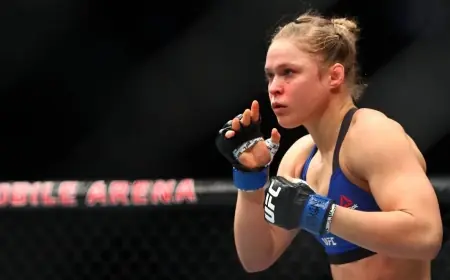
During the session, the fighter described the prospect of a Ronda Rousey–Gina Carano matchup as an "insane" idea and mocked how the bout might be presented. He suggested they fight "half naked" and made crude references to his past attraction to Carano, saying, "I like Gina. She's like super conservative. She was hot, you know. I was like a kid when she fought. I may have jerked off to her once or twice back in the day. "
The same speaker also attacked the broader place of women in sports, declaring that "no one gives a fuck about women's sports" while adding that women "do great things. They cook, they clean. " The remarks were delivered alongside additional homophobic slurs directed at a high-profile halftime performer and broader criticism of changing culture in major team sports. The comments drew immediate attention for their tone and content during a public promotional event.
Why Gina Carano's name matters now
Gina Carano has remained a polarizing figure since her time competing in mixed martial arts. Her name being invoked so bluntly in a high-profile fighter's rant underscores how certain personalities in combat sports continue to provoke strong reactions—positive and negative—well after their competitive peaks.
References to Carano at media events serve a dual function: they generate headlines and they signal how gender and politics are frequently entangled in the sport. For many fans, a match involving Carano and Rousey represents a long-awaited clash between two marquee women fighters. For critics, the conversation around such bouts often slips from athletic accomplishment to sensationalism, personal attacks and reductive commentary about gender roles.
Potential fallout and the larger conversation
The immediate fallout from the tirade includes renewed scrutiny of how fighters, promoters and broadcasters manage public messaging before major events. When high-profile participants or commentators use demeaning language about women or targeted groups, it complicates promotional efforts and risks alienating segments of the audience.
Beyond public relations, the episode highlights persistent tensions in combat sports over respect, representation and the line between provocation and harassment. Promoters and organizations historically have balanced shock value with brand protection; when that balance tips toward offensive rhetoric, questions arise about accountability and the standards expected at official events.
For Gina Carano, being named in this context is likely to revive both fan interest in any upcoming fights and debate over broader cultural issues connected to female fighters. The remarks also serve as a reminder that commentary around women in combat sports remains a flashpoint, intersecting with discussions about media conduct, athlete safety, and the role of promotion in shaping public discourse.
As the situation develops, attention will focus on how event organizers, fighters and representatives respond to the insults and whether public pressure will prompt formal apologies, disciplinary measures, or new guidelines for media-day conduct. For now, the exchange has once again placed Gina Carano—and the sport's handling of gendered commentary—firmly back in the headlines.