
























2026 winter olympics men's snowboarding slopestyle: Su Yiming wins gold on his 22nd birthday

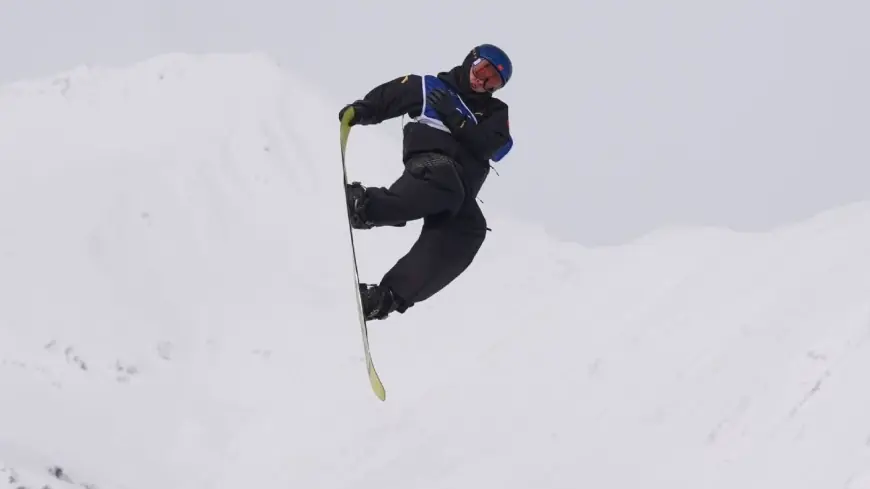
In a dramatic morning final in Livigno, Su Yiming delivered a flawless performance to win the 2026 winter olympics men's snowboarding slopestyle title on his 22nd birthday. His first-run 82. 41 held as the best score, and no challenger could top it as riders battled the rails and massive jumps of the course.
Birthday run: precision under pressure
Su opened the final with a clinical run that combined clean rail work and high-difficulty jumps, earning an 82. 41 that proved untouchable. He was the only rider of the 12 finalists to complete all three runs without a fall or significant error, a consistency that ultimately decided the podium. Emotional after his final attempt, Su shed tears at the finish when he realized his opening score would stand; he said the moment hit him hard when he remembered it was his birthday and his family and coaches were watching.
Already an Olympic medalist from the previous Games, Su added a slopestyle gold to his earlier big air and slopestyle hardware, and he had taken bronze in big air earlier in Livigno. The birthday victory marks his fourth Olympic medal in just his second Games and gives China another highlight as the event unfolds.
Podium and standout performances
Japan's Taiga Hasegawa finished just behind Su with an 82. 13, pushing the scoring envelope early with a first-run effort that kept the contest wide open. American Jake Canter seized the bronze with a late clutch run that featured a double underflip off the cannon and a colossal backside 1980 on the final jump, scoring 79. 36 and earning his first Olympic medal in his debut Games.
The final produced a mix of veteran grit and rising talent. PyeongChang champion Red Gerard attempted to upgrade his score on the last run but crashed while adding an extra rotation, his first-run 76. 60 holding for sixth place. Canadian Mark McMorris, who had a difficult build-up to the final after a concussion in training, struggled with two falls on frontside 1800 attempts and finished eighth. McMorris described the run-up to competition as rough but expressed gratitude for being able to compete.
Course, scoring and what this means for the sport
The Livigno slopestyle layout featured three rail sections followed by three jumps, a configuration that demanded technical rail creativity and big-air amplitude in equal measure. Judges scored riders on creativity, execution and the overall flow of their runs; each athlete had three attempts with only their best score counting. The strategy of laying down a solid opening run paid off for Su and Hasegawa, who both set the early standard and forced others to chase in later attempts.
The result underscores the balance today's slopestyle athletes must achieve between pushing technical boundaries and maintaining clean execution. Su's victory highlighted how a composed, well-executed run can trump higher-risk attempts that lack finish. For younger contenders and established stars alike, the Livigno final offered a lesson: when pressure mounts on the biggest stage, clean execution often separates gold from the rest.
With this medal Su added a defining moment to his career and left Livigno with more than just birthday memories — he strengthened his standing as one of the sport's most complete competitors. The men's slopestyle podium also signaled the arrival of new challengers ready to contend in future championships, setting up another compelling chapter for slopestyle as the Olympic cycle continues.