




















Short Program Shakeup Sets Up Race for womens figure skating medals

The short program opened the women’s singles field with drama and opportunity, leaving medal positions unsettled ahead of the free skate on Thursday (ET). A poised showing from Alysa Liu kept the Americans in contention while two Japanese skaters edged her out for the top spots after the opening segment.
Americans hold hope after mixed short program
Alysa Liu delivered a composed short program that featured a difficult triple lutz–triple loop combination and a score of 76. 59, placing her third going into the free skate. Her performance read as controlled and confident; she said afterward, “I’m really confident in myself. Even if I mess up and fall, that’s totally OK too. I don’t know, I’m fine with any outcome so long as I’m out there — and I am, so there’s nothing to lose. ” That mindset keeps her in the mix for podium contention as the competition moves to the longer free skate.
Isabeau Levito made a solid Olympic debut, delighting the crowd with clean spins and strong extensions and sitting eighth after the short program. Her placement leaves room to climb with a strong free skate performance.
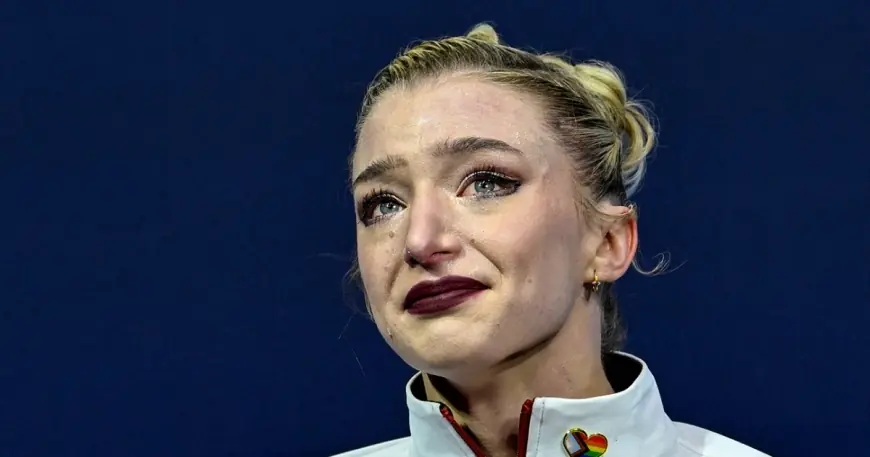
Amber Glenn experienced one of the harsher lessons of Olympic pressure. She successfully landed a triple axel in her routine but later executed a double loop when a triple loop was required. That element was marked invalid and received zero points, dropping her to 13th. The error visibly shook her; she was emotional after exiting the ice and embraced her coach as the short program concluded. Glenn will still skate the free program and has the technical tools to mount a comeback, but her climb to the podium would require a near-flawless long program and mistakes from those ahead of her.
Leaders and medal outlook ahead of the free skate
The only skaters to outscore Liu in the short program were Ami Nakai (78. 71) and Kaori Sakamoto (77. 23), both of whom sit just above the American. Nakai’s short program gives her the slight advantage going into the free skate, with Sakamoto positioned to challenge as well. The margins are narrow; a clean free skate with high technical content and strong component marks can reshuffle the standings dramatically.
With the long program looming on Thursday (ET), strategists and fans will be watching planned jump content closely. Liu’s combination of technical difficulty and composure suggests she could be Team USA’s best shot at closing a long drought: no American woman has taken Olympic gold in the singles event in more than two decades. But Nakai and Sakamoto have shown the consistency and scoring edge in the short program to make them worthy favorites.
The free skate will decide the final womens figure skating medals. Skaters who produced clean short programs will aim to protect their positions, while others who faltered must execute riskier, higher-scoring content to climb the leaderboard. Expect an emotional, high-stakes evening where technical ambition and composure under pressure will determine the medalists.
Broader competition context and what to watch
The Olympics have already delivered surprise finishes across multiple events, underscoring how quickly standings can change in a single night. For the womens singles, watch for how each contender handles jump combinations and spin levels under the bright lights of the free skate. Judges will reward clean execution and program components—performance, interpretation and skating skills—so skaters who balance technical difficulty with polish will have the edge.
Thursday’s free skate (ET) will be decisive. Whether Alysa Liu can turn her confident short into a breakthrough gold challenge, or whether Nakai or Sakamoto will hold their short-program momentum to the finish, the final standings for the womens figure skating medals are still very much up for grabs.