



![Florida Panthers Face Off Against [Team Name] on April 4, 2026](https://www.filmogaz.com/uploads/images/202604/image_430x256_69d2395a47e1f.webp)




















ramadan seen as a spiritual 'super‑fast charge' and a source of belonging in Jersey and Guernsey

Muslims across Jersey and Guernsey are observing ramadan, the month of daytime fasting and nightly prayer, with community leaders describing it as both a personal spiritual recharge and a vital source of social connection. This year's observance began on the evening of Tuesday, February 17 (ET) and is expected to end on the evening of March 18 or March 19 (ET). Local organisers say growing participation has created both opportunities for community building and practical challenges around space and outreach.
Communal Iftar: more than a meal
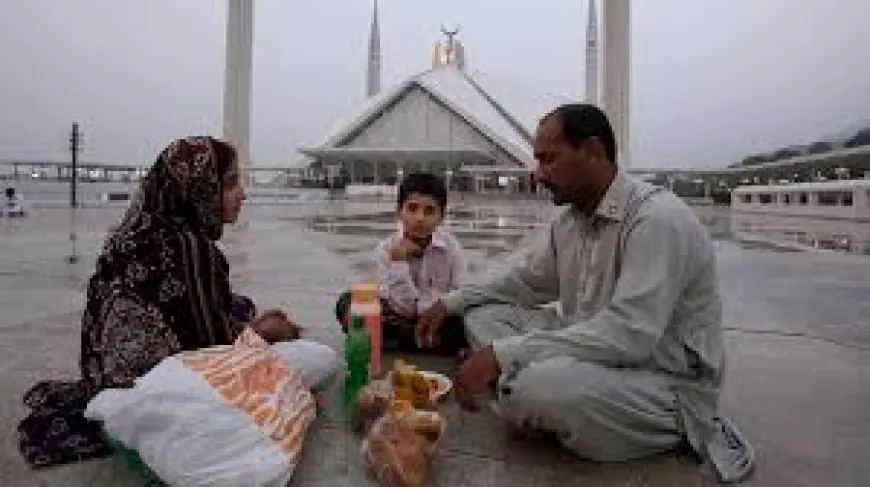
Evening Iftar gatherings — the meal that breaks the daily fast — have become focal points for Muslims on both islands. Dr Sarfaraz Jamali, a trustee of the local Islamic centre in Jersey, notes that between 65 and 70 people are coming together each night for Iftar, creating a visible sense of belonging for attendees.
"It is just that sense of belonging and we are part of the community, " Jamali said, stressing that communal meals bring together those who may be far from family. He also highlighted practical strains: with the community expanding, finding enough space for nightly gatherings has become an issue, prompting organisers to adapt and find additional venues where possible.
Organised Iftars also draw volunteers from the wider community, providing logistical help and hospitality. Leaders praise this cooperation as a key ingredient in making newcomers and residents alike feel welcome during the month.
Ramadan as a personal reset: 'super‑fast charge' for the year
For many observant Muslims the month functions as a concentrated period of reflection and self-discipline. Imraan Moolla of the Guernsey Muslim Initiative described ramadan as a time to "super‑fast charge yourself spiritually and mentally, " a burst of focus intended to reshape habits and values that will ideally endure beyond the month.
He pointed out that fasting tests patience and composure — "people may be tired or a bit hangry, but the whole point is to just stay calm and keep yourself in check" — and that shared rituals, from daily prayers to communal charity work, encourage participants to re-evaluate priorities and strengthen faith.
Small communities, organised support and outreach
Guernsey's Muslim community is described by organisers as geographically dispersed and relatively small, which makes planned events and mosque-based programming especially important. Local groups have coordinated activities both at the mosque and in other venues to ensure that those living far from family still experience the social aspects of ramadan.
Community leaders emphasise the role of charitable work and mutual aid during the month. In addition to nightly Iftars, initiatives often include shared meals for those in need, prayer sessions, and educational programming aimed at young people and recent arrivals. These efforts aim to strengthen ties within the Muslim population while also fostering understanding with neighbours.
Despite the logistical challenges that come with growth, leaders say the overall effect of the month is unambiguously positive: a period of intensified faith, charity and community cohesion that helps participants carry renewed focus into the rest of the year.