



















robert duvall: Hollywood legend remembered for Scottish football cameo and ‘the rock’ presence

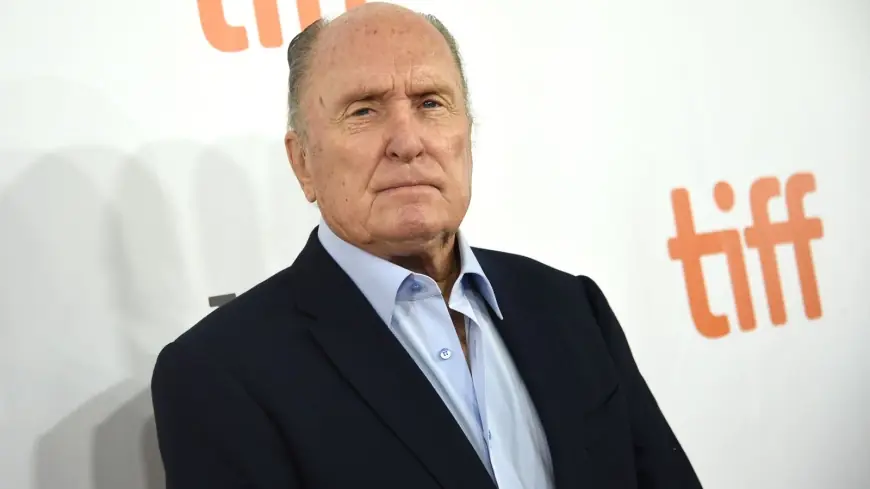
Robert Duvall, the Oscar-winning actor whose career spanned from The Godfather and Apocalypse Now to intimate, self-penned dramas, died peacefully at home on Sunday, Feb. 15, 2026 (ET). He leaves behind a body of work marked by gritty authenticity, artistic daring and an unexpected lifelong curiosity that once took him to football grounds in Scotland for a small-town sports film.
A towering career, from consigliere to country singer
Duvall’s range was both broad and deep. He first drew wide attention as the unflappable Tom Hagen in the landmark crime saga and later lodged another indelible image in the public imagination as Lieutenant Colonel Kilgore in a Vietnam war epic. Those performances helped define a generation of screen acting, but his talents stretched beyond supporting turns.
He won an Academy Award for best actor for a tender portrait of a country singer seeking redemption, a role that showcased his willingness to write, direct and inhabit complex, flawed men. Duvall bet on himself repeatedly — writing songs, directing, and choosing parts that prioritized character truth over simple celebrity. Colleagues described him as someone who brought gravity to every scene, an anchor around which other performances could cohere.
Scotland, football crowds and A Shot at Glory
One of the more surprising chapters of his career came when his curiosity led him to Scotland. Duvall fell for the local game and the communities built around it, turning up unannounced at small grounds to scout locations and meet supporters. That fascination culminated in a film about a fictional underdog team and its run to a national cup final, filmed at grounds from Glasgow’s national stadium to a historic Dumfries pitch.
Local fans still recall the sight of an Oscar-winning star pacing a touchline and exchanging banter in town car parks. Thousands turned out to watch filming, drawn by the novelty of a Hollywood legend joining their familiar rituals. The movie itself never eclipsed his finest work, but it left warm memories among supporters and remains an odd, affectionate footnote in a storied career.
On set: a consummate professional who kept the work fresh
Directors and co-stars often noted that Duvall treated each role as if it were brand new. Even late in his career he arrived on set nervously engaged, then quickly found the groove and delivered performances marked by immediacy and restraint. One director recalled Duvall as “the rock” — someone who stabilized scenes and gave other actors a sturdy centre to react to.
Stories from later productions reveal a playful, meticulous craftsman. He would quietly rehearse, collaborate with loved ones on lines, and yet remain open to surprises in front of the camera. That blend of discipline and vulnerability made him not just a great scene partner, but an artist who continually reinvented his approach to the work.
Robert Duvall’s legacy is not only the characters he made unforgettable but the steadiness he brought to filmmaking itself: a living reminder that dedication to craft and a curiosity about the world — whether American backroads or the terraces of Scottish football — can yield an unusually rich career. He was 95.