

























After hearing, pam bondi draws fire over handling of Epstein materials

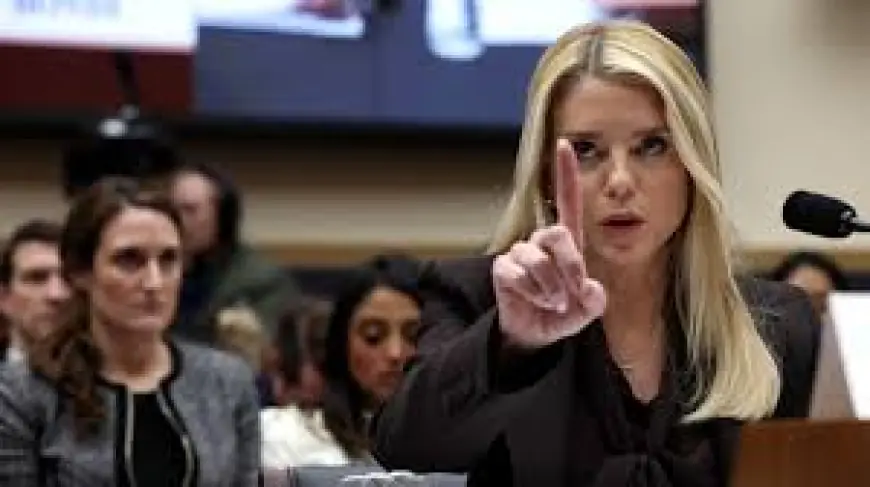
Attorney General Pam Bondi’s appearance before the House Judiciary Committee this week intensified scrutiny of the Justice Department’s release of documents tied to Jeffrey Epstein. Testimony, contentious exchanges and a bungled public posting of files left victims and members of both parties demanding answers about how sensitive information was handled.
Confrontation in the committee room
The hearing was tense and at times acrimonious. Bondi declined to apologize to the people who say they were victimized by Epstein, instead pressing members of the committee to apologize to President Trump. During exchanges with lawmakers from both parties she used barbed language, describing one committee member as a "washed-up, loser lawyer" and deriding others as "failed" politicians. At one point she pivoted to an unrelated boast about the stock market, noting the Dow Jones industrial average had surpassed 50, 000 — an assertion that drew bewilderment from those in the room.
Survivors of Epstein who attended the hearing said the proceedings were painful to watch. Victims have waited years for clarity and accountability, and their frustration was evident as Bondi pressed political defenses rather than addressing how the department handled the sensitive files tied to the long-running investigation.
Errors in the document release and privacy concerns
The Justice Department’s work to make the material public has been described by legal observers as severely flawed. After months of resistance to full disclosure, the department released the trove under pressure from Congress. The public posting included dozens of files that were supposed to be redacted; among them were intimate images and materials that raised immediate concerns about victim privacy.
Survivors and advocates called the release a catastrophic breach of trust. One survivor who has testified in related proceedings said it was "hard to imagine a more egregious way of not protecting victims. " The appearance of unredacted images on a government website alarmed lawmakers and advocacy groups, who emphasized that the department had an explicit obligation to shield victims, protect active investigations and avoid unnecessary disclosure of identifying information.
At the same time, lawmakers who have reviewed the materials say a substantial portion of the files remains redacted, including references to wealthy and powerful individuals whose identities were withheld. That imbalance — perceived carelessness in protecting victims paired with vigorous protection of certain elites — has heightened concerns that the release process was uneven and politically influenced.
Political fallout and unanswered questions
The exchange in the committee chamber and the technical failures of the release have reignited debate about how political considerations shape prosecutorial discretion and document transparency. Lawmakers from both parties pressed for explanations about why the department delayed release for months and how unredacted files came to be posted online. Few concrete answers emerged during the hearing, leaving members to demand additional briefings and oversight steps.
Bondi’s combative tone and the department’s procedural lapses have created a public relations and legal challenge for the Justice Department. Critics argue that missteps have compounded the trauma for survivors who sought accountability, while supporters maintain that some redactions were necessary to protect ongoing inquiries and privacy interests. What remains clear is a need for a careful, traceable process that balances transparency with the dignity and safety of those affected by the crimes at the center of the files.
Lawmakers say they will continue oversight activity and seek more complete explanations about both the content of the remaining redactions and the internal safeguards that failed during the initial public posting. The coming weeks are likely to bring renewed demands for documentation, hearings and possibly further disclosures as the committee seeks to resolve how a document release intended to promote transparency instead became a fresh source of harm.