






















Ramadan 2026: Communities and Cities Prepare as Moon-Sighting Window Nears

Muslim communities and public institutions are ramping up preparations as the lunar window for Ramadan 2026 approaches. Planning is focused on religious observances, workplace accommodations, travel demand and community services, with local moon-sighting announcements set to determine the precise start date.
Moon-sighting, calendars and what to expect
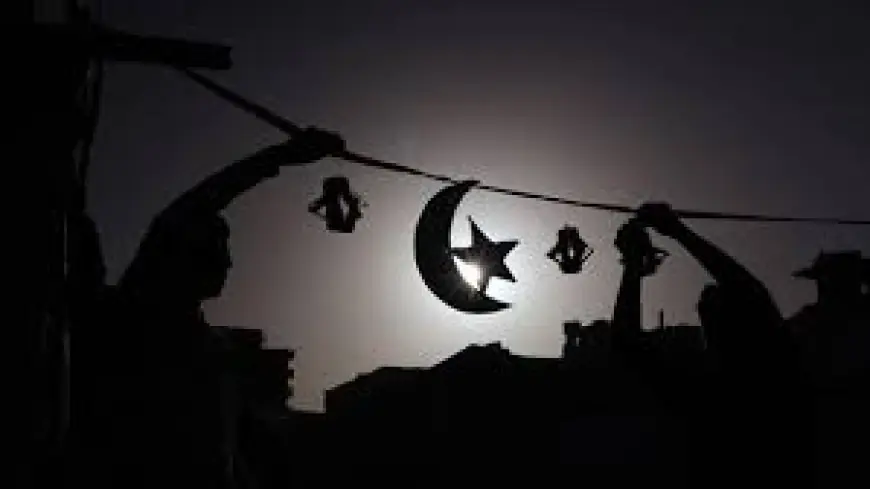
Ramadan follows the Islamic lunar calendar, so the formal start is set by the sighting of the new crescent moon or by pre-established astronomical calculations used by some communities. Authorities and prayer leaders will monitor the sky during the relevant evenings and typically confirm the first day after sunset. For planners and residents in North America, that confirmation is expected to fall in late February 2026; formal announcements and community notices are likely to come the evening the crescent is observed, posted in local religious centers and through community communication channels.
Because practices vary — some communities rely on local sighting while others follow global calculations or national councils — the first day of observance can differ from one city to another. Faith leaders are urging worshippers, institutions and employers to remain flexible in scheduling over the first two days of the month, since exact timing could be confirmed on short notice in the hours after sunset (times will be given in Eastern Time where applicable).
Public services, travel and workplace adjustments
Municipal authorities and transit agencies are preparing for higher evening ridership and greater demand around sunset and night hours. Many cities plan to extend weekend and late-night transit runs to accommodate iftar gatherings and community events. Airlines and travel providers typically see a spike in bookings for travel to family hubs and religious centers ahead of and during the month; travelers are advised to book early and confirm schedules as airlines release seasonal timetables.
Employers in diverse regions are updating leave guidance and flexible scheduling options to support fasting employees. Human resources teams are preparing informational materials on workplace accommodations, such as staggered shifts, flexible lunch schedules and prayer breaks. Educational institutions that receive large Muslim student populations are coordinating with student groups on exam scheduling and iftar-friendly campus services, while hospitals and emergency services are reviewing staffing plans to ensure care continuity during altered staff availability.
Community programs, charity and health guidance
Charitable organizations and mosques typically intensify outreach in the weeks leading up to Ramadan, announcing community iftars, food distribution drives and donation campaigns. Many local groups are prioritizing programs that support low-income families, refugees and seniors, with an emphasis on safe, socially distanced options for those who prefer them.
Public health officials and medical clinics are updating guidance for those observing the fast. Health advisories commonly recommend balanced suhoor meals, careful hydration during non-fasting hours and medication consultations for people with chronic conditions. Clinicians are reminding patients to plan medication timing and to seek medical advice before making changes to treatment schedules. Community health centers often extend clinic hours during the month to support fasting patients and to offer vaccine and wellness services.
Religious leaders are urging congregations to observe customary rituals with attention to public safety and inclusivity. Organizers are planning a mix of in-person and virtual events to offer access for those who are elderly, immunocompromised or otherwise unable to join large gatherings.
With the moon-sighting window nearing, leaders emphasize patience and coordination. Whether the first sighting is visible locally or communities opt for calculation-based calendars, the month is expected to be observed with the familiar combination of worship, charity and family gatherings — shaped this year by the same logistical and public-health considerations that have guided recent years.