
















ramadan events across north-west England: community guide for 2026

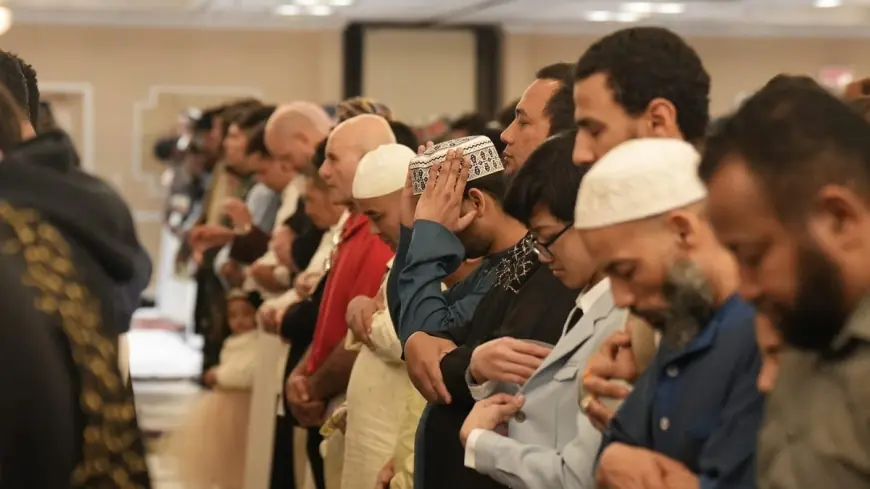
Ramadan, the Islamic holy month of fasting, begins this month with mosques, charities and community groups across north-west England preparing a full calendar of prayers, iftars and outreach activities. The period of reflection and abstinence prompts extra communal events that will be visible across towns and cities from Greater Manchester to Cumbria.
What local activity will look like
Communities across the region traditionally mark Ramadan with nightly prayers at mosques, communal iftar meals to break the fast at sunset, and charity drives aimed at supporting the most vulnerable. In areas with larger Muslim populations such as Greater Manchester and Lancashire, public iftars and family-friendly events are often held in community centres and mosque halls. Smaller Muslim communities in Cheshire, the Liverpool City Region and Cumbria will host local gatherings and outreach programmes tailored to their populations.
Regional figures indicate roughly 560, 000 Muslims live in north-west England, making up a significant share of the local population in some areas. This concentration helps sustain a dense schedule of events: regular taraweeh prayers each evening, study sessions, food distribution schemes, and volunteer-led iftars are all common throughout the month.
Timing, key dates and daily routines (times shown in ET)
The start date of Ramadan is set by the sighting of the new moon, so the exact day can vary by location. In 2026 the month is expected to begin in mid-February; the start could fall between Tuesday, Feb. 17 and Thursday, Feb. 19 depending on moon sightings in different communities. The fast lasts 29 or 30 days and concludes with the Festival of the Breaking of the Fast, Eid al-Fitr, which is therefore expected in mid- to late March.
Daily fasting runs from the start of dawn until sunset. Typical UK dawn and sunset times translate to the following in Eastern Time for clarity: dawn begins at about 05: 00 GMT (12: 00 a. m. ET) and sunset at about 17: 30 GMT (12: 30 p. m. ET). Observant Muslims eat a pre-dawn meal (suhoor) and break the fast after sunset with an evening meal (iftar), often sharing traditional dishes such as fava beans and other regional favourites.
Not everyone takes part in the fast: exemptions exist for people who are unwell, travelling, elderly, or in other specific circumstances. Women who are menstruating, pregnant or breastfeeding are also exempt and may make up missed fasts later when they are able.
Community impact and public life
Ramadan tends to increase volunteer activity and charitable giving. Foodbanks and community kitchens often see greater donations and higher demand, and many mosques run outreach programmes aimed at wider community engagement. Employers and public services sometimes adjust schedules during the month to accommodate workers who are fasting, particularly around midday commitments and evening prayer times.
Public events will vary widely by locality. In urban centres with large Muslim communities, expect larger public iftars and coordinated charity initiatives. In smaller towns, mosque-led programmes and home-based gatherings will form the backbone of Ramadan life. Organisers encourage residents to check with local community centres and mosque noticeboards for specific event times and any volunteer opportunities.
For many, Ramadan is a time of spiritual renewal, intensified worship and social solidarity. Across north-west England, the month’s combination of private devotion and public service will be on display as communities mark one of the most important periods in the Islamic calendar.