















![Amber Glenn Withdraws From [Event] Citing Injury, Will Miss Upcoming Season — Update](https://www.filmogaz.com/uploads/images/202602/image_430x256_6994eca04b7cd.webp)

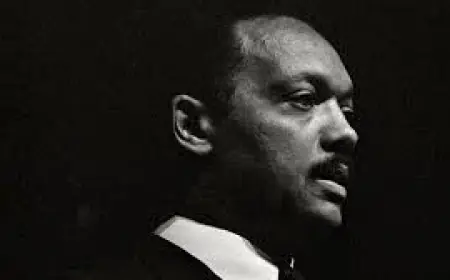
Jesse Jackson Urges Unity and Voting Push in New Public Appearances

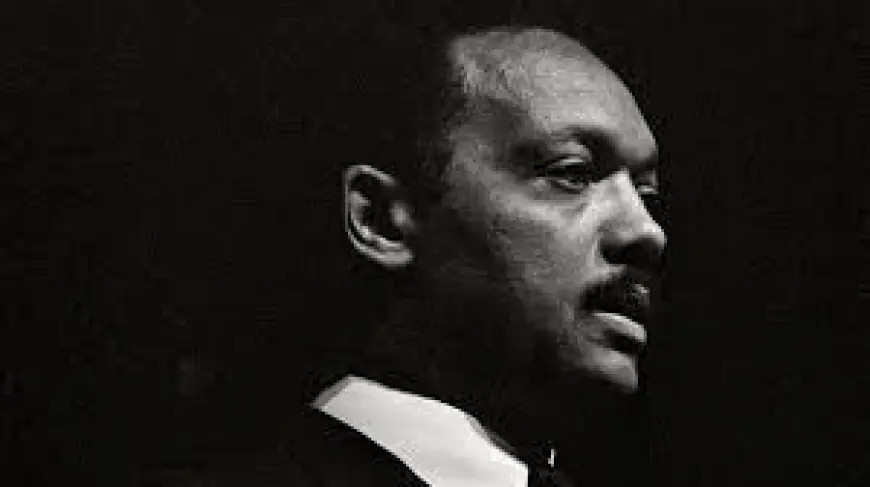
Veteran civil rights leader Jesse Jackson has re-emerged in the public eye with a series of statements and appearances focused on unity and voter turnout as the nation approaches a consequential election cycle. Speaking to gathered supporters and community leaders, Jackson framed civic participation as the most urgent task for activists and politicians alike.
Back in the spotlight: calls for voter mobilization
In recent gatherings held this week, Jackson emphasized the critical role of voting in shaping policy and protecting civil rights. He told attendees that organized turnout can shift local and national outcomes, urging communities to register, show up, and hold leaders accountable. His message targeted both longtime activists and younger voters, with a push toward coalition-building across demographic lines.
Jackson’s remarks highlighted concerns about access to the ballot and the need to counter voter suppression efforts. He called for concrete strategies to increase participation, including neighborhood canvassing, early voting drives, and educational programs on voting rights. The emphasis was on practical steps that community groups can deploy immediately in the weeks and months ahead.
Unity and pragmatic politics
Beyond turnout, Jackson spoke about the importance of forging unity across differing viewpoints within progressive movements. He argued that ideological purity should not prevent building pragmatic coalitions capable of winning elections and advancing policy changes. His tone blended admonition with optimism: warning of risks if activists remain fractured, while urging focused work on achievable goals.
Jackson also addressed younger activists directly, encouraging mentorship and transferring institutional knowledge to sustain long-term organizing. He presented himself as both a critic of complacency and a resource for strategy, citing decades of experience in civil rights organizing and electoral campaigns. The overarching theme was clear: sustained organization and alliances across communities are essential to achieving reforms on issues from economic justice to criminal justice reform.
Outreach and next steps
Following the remarks, Jackson’s team outlined plans for a series of community events and roundtables aimed at voter registration and civic education. The schedule includes targeted outreach in battleground areas and partnerships with grassroots groups to maximize impact. Organizers said the effort will focus on mobilizing historically underrepresented voters through direct engagement and local canvassing.
Jackson’s re-engagement underscores the continued influence of long-standing civil rights leaders in shaping contemporary political debates. His calls for turnout and unity arrive as activists and elected officials prepare for a high-stakes period where small margins could determine control of key offices and the direction of policy debates. Whether his renewed public push will translate into measurable increases in participation remains to be seen, but Jackson’s presence adds experienced leadership to the broader movement for civic engagement.