
























CBS Pulls Senate Candidate Interview, Says Colbert
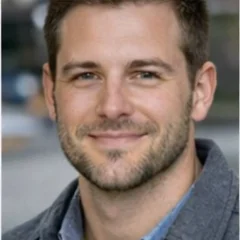
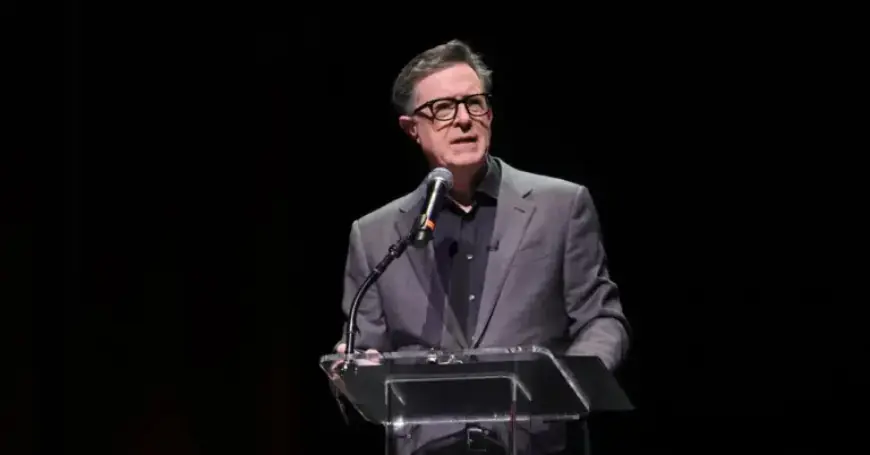
Stephen Colbert recently revealed that CBS prohibited him from airing an interview with a Democratic candidate for the U.S. Senate. This decision stems from a directive issued by the Federal Communications Commission (FCC) regarding equal airtime for political candidates. This move marks a significant shift in how late-night programming is managed in relation to political content.
CBS Decision Linked to FCC Guidelines
On his show, Colbert criticized FCC Chairman Brendan Carr for enforcing these new rules, which he argued target late-night talk shows. The situation escalated on the evening before Texas’ primary elections, where State Representative James Talarico was already in the studio for the interview.
- Talarico is competing against Jasmine Crockett for the Democratic nomination.
- The FCC’s updated guidance from January stressed that local networks must provide equal airtime to candidates.
- This represents the first instance of a late-night show altering its program in compliance with these new demands.
Colbert’s Response
During his show, Colbert expressed frustration about CBS’s stance. He stated that network lawyers had made it clear that the planned interview could not proceed. Colbert pointed out that CBS suggested alternatives to fulfill equal airtime requirements.
In his remarks, Colbert stated, “Let’s talk about this,” indicating his intent to discuss the implications of the FCC’s guidance. He noted that discussions regarding equal airtime have historically exempted late-night shows, a stipulation that now appears to have changed.
FCC’s Influence on Media Programming
- FCC Chairman Carr has publicly expressed that traditional networks must adhere to equal opportunity regulations.
- The guidance implies that past assumptions about late-night shows qualifying as “bona fide news” are no longer valid.
- Colbert compared the situation to a broader observation that seeks to silence criticism of political figures, particularly Donald Trump.
Despite CBS’s official statement claiming they provided legal guidance rather than outright censorship, Colbert’s dissatisfaction remained apparent. He later announced that the interview with Talarico would be made available on YouTube, despite restrictions from the network on promoting it.
Public Reaction and Future Implications
The interview received over 1.7 million views shortly after release, demonstrating significant public interest. In contrast, another segment from the show, featuring Jennifer Garner, only garnered 93,000 views.
FCC Commissioner Anna Gomez characterized CBS’s actions as troubling compliance with governmental pressures to regulate media speech.
Colbert finds himself in the final months of “The Late Show,” set to conclude in May. Although CBS cites financial reasons for the cancellation, speculation persists regarding potential political motives, particularly given the broader context of media regulation and political expression.