





















real madrid leans on youth as squad refresh accelerates

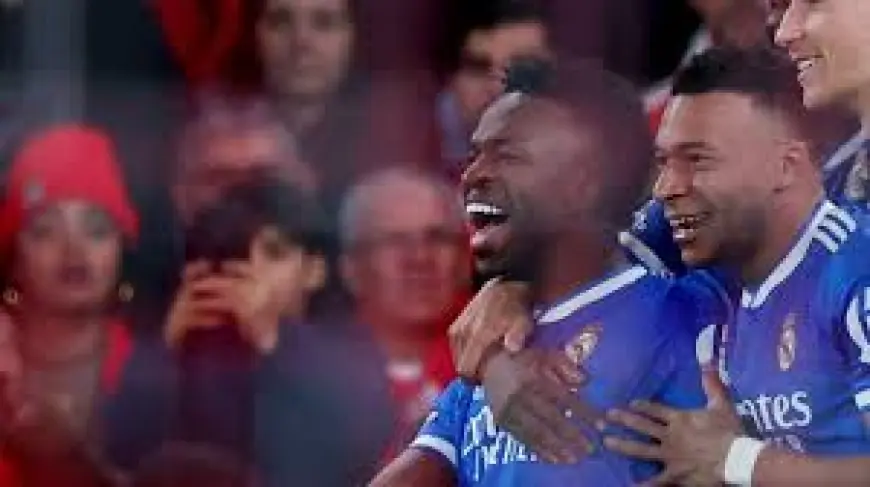
Madrid — Feb. 17, 2026 ET — Real Madrid has stepped up a strategic renewal of its first team, elevating academy prospects and young signings as the club balances immediate ambitions with a long-term sporting plan. The shift comes amid a packed domestic and European calendar and reflects a broader pivot toward sustainable squad building.
Academy graduates move from fringe to frontline
Across recent weeks the club has handed increased minutes to homegrown talents, integrating them into rotation plans for league and cup fixtures. The development pathway that funnels players from the academy into the senior squad is being given priority, with training schedules, individualized coaching and sports-science monitoring tailored to accelerate readiness for top-level competition.
Club officials have emphasized multi-season planning: instead of filling gaps with short-term, high-cost transfers, the hierarchy favors promoting from within or recruiting younger players with resale value. That approach aims to preserve competitive depth today while reducing long-term wage pressure and transfer risk.
Short-term competitiveness preserved through selective reinforcement
While youth promotion is central, the club is not abandoning pragmatic reinforcements. The scouting and recruitment department has targeted a small number of young, high-potential players who can slot into the squad immediately and adapt to the club's tactical demands. The goal is to pair emerging academy players with a core of established performers to avoid a drop in results as the transition unfolds.
Coaching staff have adjusted rotation patterns to give promising youngsters meaningful minutes in lower-risk matches and cup ties while retaining experience for crucial league and European encounters. Sports science and recovery protocols are being used to manage game load and preserve the fitness of veteran leaders as the club integrates new blood.
Financial and cultural logic behind the reset
The sporting reset is tied to financial planning. Channeling resources into youth development and targeted young signings reduces reliance on expensive marquee transfers and aligns with broader fiscal discipline. Investment in training infrastructure, data analytics and recruitment networks is being prioritized to sustain talent flow over multiple seasons.
On the cultural side, promoting academy graduates is intended to strengthen the club identity and foster a stronger connection between players and supporters. The leadership sees this as a way to maintain high standards while giving fans new homegrown figures to rally behind.
Risks and short-term trade-offs
Relying more on younger players inevitably involves volatility. Inexperience can lead to inconsistency across a long season, and injuries to key senior players could expose gaps before prospects fully mature. To mitigate these risks, the club has kept lines of communication open between coaching, medical and recruitment teams, and has prioritized psychological and tactical support for rising players thrust into high-pressure scenarios.
For now, the strategy is clear: maintain competitiveness by pairing a seasoned spine with carefully introduced youth, while betting on longer-term gains from academy output and astute young signings. How quickly the plan delivers silverware will depend on the learning curve of promoted players and the club’s ability to navigate the unavoidable bumps that come with renewal.
In a football landscape that increasingly values sustainable models, Real Madrid’s renewed emphasis on youth and strategic recruitment marks a notable adaptation. The coming months will test whether that balance of ambition and prudence can produce immediate results without sacrificing the club’s traditional standards.