

























Rev. Jesse Jackson, civil rights stalwart, dies at 84

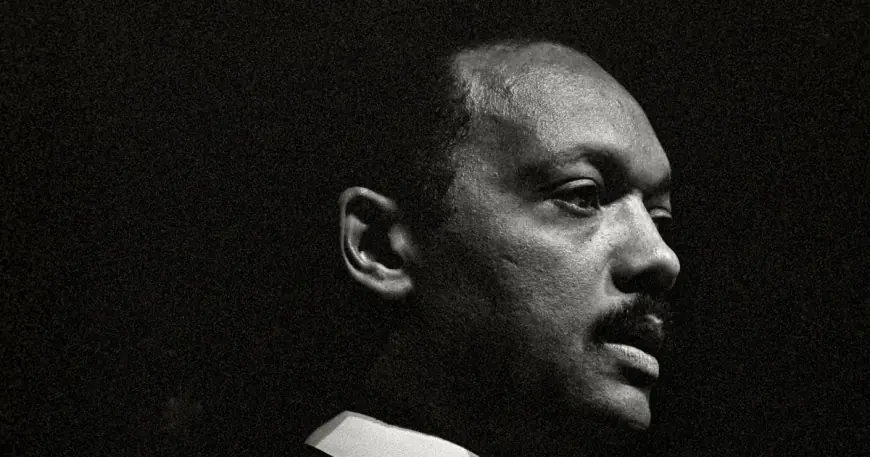
The Rev. Jesse Jackson, a Baptist minister and a defining figure in American civil rights and electoral politics for more than half a century, has died at the age of 84. The Jackson family said he died peacefully, surrounded by loved ones. Jackson’s decades-long advocacy on behalf of Black, poor and working-class Americans and his landmark presidential campaigns left a durable imprint on modern politics.
A life of activism and national politics
Born in Greenville, South Carolina, Jackson rose to national prominence in the 1960s, working alongside key civil rights organizers and taking part in major demonstrations that reshaped the nation’s conscience. He moved from student organizing into leadership roles with national civil rights groups and developed programs aimed at economic empowerment for Black communities.
In 1971 he founded an organization aimed at economic and political empowerment, and over ensuing decades he broadened his reach with vocal, often theatrical interventions on issues from apartheid to corporate hiring practices. His ability to marry moral argument with political pressure and media-savvy tactics made him a visible and sometimes controversial presence in public life.
Jackson twice sought the Democratic presidential nomination. His 1984 run broke new ground when he secured more than 18% of the primary vote and captured a string of delegates, demonstrating the electoral potential of organizing Black voters at scale. Four years later he expanded that showing, winning multiple primaries and caucuses and further forcing major-party candidates to reckon with the concerns of his coalition.
Health struggles, final days and legacy
Jackson had been living for more than a decade with progressive supranuclear palsy, a neurological disorder that affects movement and swallowing and can lead to severe complications. He had revealed a Parkinson’s diagnosis in 2017 and had received outpatient care in Chicago in the years that followed. He had been hospitalized in November before his final decline.
In a family statement, his children described him as a servant leader whose work extended beyond his household to the “oppressed, the voiceless, and the overlooked around the world. ” Civil rights figures and elected officials remembered him as a moral voice who took visible stands wherever dignity was threatened.
Jackson’s activism spanned direct-action campaigns, economic boycotts and high-profile negotiations. He carried a legacy of both street-level organizing and electoral engagement, mentoring younger leaders and helping to refine tactics that broadened participation in American politics. He is survived by his wife, Jacqueline, and five children, including a former member of Congress.
Public remembrances and next steps
Organizers close to Jackson’s work have indicated that public observances will be held in Chicago, with further details on memorial events to be announced in coming days. For many, the immediate response has been to recall Jackson’s insistence that social justice requires persistent pressure in boardrooms, courthouses and community meetings alike.
Whether remembered for his fiery speeches, his role in large-scale political mobilization, or his decades of advocacy on behalf of vulnerable communities, Jackson’s influence will be judged by future activists who draw on his blend of moral rhetoric and strategic leverage. In the short term, tributes and remembrances are expected from civic leaders and communities he served throughout a long public life.
As plans for memorials and public services take shape, Jackson’s family urged reflection on a career spent pressing institutions to do better and elevating the concerns of those who too often go unheard.