





















Año Nuevo Lunar 2026: The Year of the Fire Horse Arrives with Promise and Pageantry

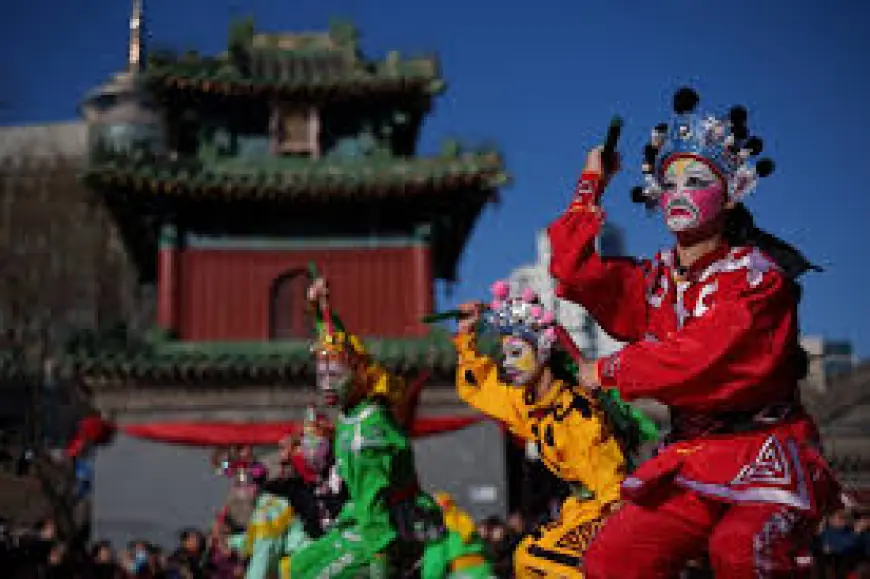
Communities across the globe welcomed the Año Nuevo Lunar on February 17, 2026 (ET), ushering in the Year of the Fire Horse. The transition brought classic rituals—lion and dragon dances, lantern displays and family gatherings—alongside renewed interest in what the Chinese zodiac predicts for the coming year. For many, the arrival of the Fire Horse signals both opportunity and volatility.
What the Year of the Fire Horse symbolizes
The Fire Horse occupies a unique place in the zodiac. Traditionally associated with independence, courage and a streak of unpredictability, this sign is often read as a harbinger of intense energy. Astrologers and cultural commentators note that the fire element amplifies traits linked to the horse: speed, ambition and a restless pursuit of change. That combination can catalyze breakthroughs in business and personal life, but it may also heighten tensions and spur abrupt shifts.
People born in a Fire Horse year are commonly described as charismatic, daring and impatient. For those planning ahead, experts suggest channeling the sign’s momentum into calculated risks rather than impulsive moves. Financial advisors and wellness practitioners alike have encouraged a balanced approach: seize new openings, but build safeguards against volatility.
Global celebrations highlight cultural continuity and creativity
From major urban centers to smaller communities, cities marked the Lunar New Year with vibrant public spectacles and intimate family observances. Parades filled with lanterns, colorful costumes and percussion ensembles drew crowds eager to participate in a centuries-old tradition updated for contemporary audiences. In many places, organisers blended modern technology with ritual: light projections and large-scale installations accompanied traditional dragon dances and fireworks displays.
Family reunions remained central to the holiday. Homes filled with elaborate meals, symbolic foods meant to convey luck and health, and rituals intended to sweep out the old year’s misfortune. At the same time, public plazas and cultural institutions hosted photo exhibitions, workshops and performances aimed at younger generations—efforts that helped extend the holiday’s reach well beyond private gatherings.
What communities and individuals are preparing for
Officials and community leaders used the New Year as a moment to emphasize resilience and readiness. Local investment in cultural programming and public safety measures rose as municipalities anticipated larger crowds following pandemic-era restrictions. Business chambers and community groups rolled out initiatives focused on small-business support and cultural tourism, hoping to harness the energy of the Fire Horse year to spur growth.
For individuals, the practical messages were familiar: take stock of finances, set realistic goals, and plan for contingencies. Mental health professionals recommended stress-management strategies to counterbalance the frenetic energy associated with the zodiac sign. Meanwhile, astrologers suggested that those seeking fortune should prioritise timing and preparation—turning bold impulses into strategic initiatives.
As the Year of the Fire Horse begins, communities will watch how symbolic expectations play out in everyday life. Whether the year proves to be a time of sweeping transformation or more measured change, the celebrations offered a reminder of cultural continuity: rituals evolve, but the impulse to mark beginnings with shared rites remains strong.