






















Elana Meyers Taylor Wins Monobob Gold, Champions Mothers in Sport

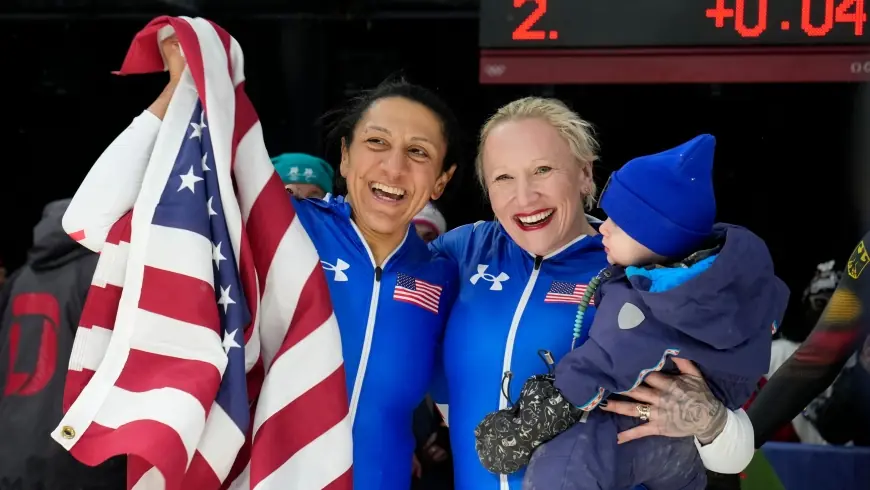
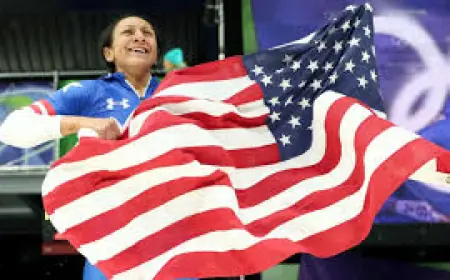
Elana Meyers Taylor clinched the Olympic monobob gold on Monday, Feb. 16 (ET) at the Milano Cortina track, delivering a long-awaited top-of-the-podium moment and using it to shine a spotlight on the complex balancing act of elite sport and motherhood. Standing alongside Germany’s Laura Nolte and Kaillie Armbruster Humphries, Meyers Taylor celebrated not just a career milestone but a wider message about dreams, age and family.
Gold, grit and a podium built around family
Meyers Taylor’s victory in the monobob came after years of pursuit, and the win resonated far beyond sport. She made a point of dedicating the medal to the mothers who have given up opportunities so their children could thrive, and to anyone who has felt the pull of competing priorities. “I hope it shows that just because you're a mom doesn't mean you have to stop living your dreams, ” Meyers Taylor said, reflecting on the moment and the wider significance it holds for working parents.
The image of two accomplished bobsledders on the medal stand, small children racing in the snow nearby, offered a striking counterpoint to conventional timelines for achievement. Meyers Taylor and Armbruster Humphries acknowledged that their families are central to their journeys: supportive spouses, parents and extended family members who step in so the athletes can train and recover. That web of help cannot erase the internal struggles, they said, but it makes high-level competition possible.
Balancing motherhood and elite competition
Both athletes spoke candidly about the practical and emotional costs of pursuing sport while parenting. For Armbruster Humphries, being separated from her young son for the first time in his life was gutting, even as she knew rest and focus were essential for Olympic performance. “For me, it's compartmentalizing probably more than anything. Recognizing that mom guilt is a thing and it existed, but that I needed to do it in order to be my best, ” she said.
The conversation around support for athlete-parents has evolved. Federations and teams have increased resources—financial, logistical and medical—to help mothers continue competing. Those structural changes matter, but both women emphasized that no program can quiet the private doubts every working parent faces. Decisions about travel, training, sleep and childcare remain intimate and often painful choices.
What the moment means beyond medals
For Meyers Taylor, the gold is both personal closure and a public gesture. “This medal is also for all those moms who weren't necessarily able to live their dreams, but their kids are now their dreams, ” she said, framing the victory as recognition of sacrifices made by women and families everywhere. The pair’s presence on the podium serves as proof that elite performance and parenthood can coexist, even if the path looks different than a non-parenting athlete’s route.
Beyond inspiring other athletes, the sight of mothers succeeding on one of sport’s biggest stages challenges cultural assumptions about age and ambition. Armbruster Humphries noted that the notion of decline after a certain age is outdated, urging athletes and parents to rethink timelines for achievement. Their medals are tangible results; the broader legacy may be the shift in expectations that allows future parents to pursue their goals without feeling they must choose between family and aspiration.
As Meyers Taylor returned home with gold, the takeaway was simple and human: accomplishment can coexist with caregiving, and the path there is built from support, sacrifice and stubborn commitment. For many watching, that message felt like the real victory.