

























Alpine Skiing at the 2026 Winter Olympics: Favorites, Course Concerns and a Weather Watch

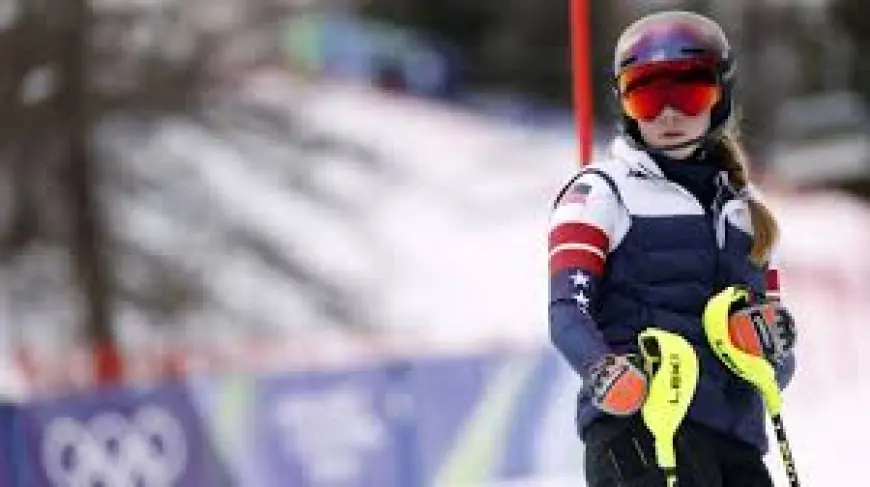
The alpine skiing program at the 2026 Winter Olympics promises a blend of elite talent, technical course design and unpredictable weather. With the Games running Feb. 6–22, 2026 (ET), course crews and teams are preparing for a packed slate of downhill, super-G, giant slalom, slalom and combined events that could hinge as much on conditions as on raw speed.
Medal favorites and storylines to follow
Several established stars enter the tournament with clear expectations, while a group of younger racers will be aiming to upset the hierarchy. Returning Olympic medalists and World Cup leaders are expected to be central figures in both speed and technical events. The men's and women's fields each feature multiple contenders capable of winning in several disciplines, which adds strategic depth to team selections and event-day tactics.
Watch for athletes who have shown strong late-season form on World Cup circuits this winter; momentum from pre-Games races often translates directly into Olympic results. National teams are balancing veteran experience with emerging talent, and the depth of some squads means podium sweeps are a realistic possibility in the faster events. Equipment choices, from ski profiles to wax strategies, will be closely scrutinized as crews chase optimal edge grip and glide on variable surfaces.
Course design, safety measures and logistical pressures
Organizers have emphasized rigorous course preparation and athlete safety. Recent seasons have driven renewed attention to course profiles, gate placements and padding on high-risk sections. Officials are coordinating with coaches and athlete representatives to fine-tune courses in the days before competition, with last-minute adjustments possible to reduce extreme risk without diluting the challenge that defines Olympic alpine events.
Logistics are another headline. Transport links between athlete villages, training slopes and race venues will be tested by tight schedules and the volume of team support staff. Maintaining consistent snow quality across multiple venues is a priority; that requires careful management of snowmaking resources and protective netting on slopes exposed to sun and wind.
Weather and snow: the wildcard
Temperature swings and midday sun are expected to be the primary variables that could reshape races. Warmer spells prior to race days increase reliance on artificial snow and can produce softer racing surfaces that favor technical skiers over pure speedsters. Conversely, early-morning freezes can harden courses into fast, knife-edged tracks where fractions of a second decide medals.
Teams will monitor forecasts closely in the 48 hours before each event, adjusting start orders and equipment setups as conditions dictate. In past Games, rapidly changing weather has led to schedule tweaks and even race postponements; the potential for similar disruptions this winter means athletes and coaches must be ready to pivot quickly.
As the first alpine competitions approach, the mix of proven champions, rising challengers and uncertain mountain weather sets the stage for dramatic racing. Expect close margins, tactical choices from national teams, and a premium on adaptability — qualities that often define the most memorable Olympic alpine moments.