














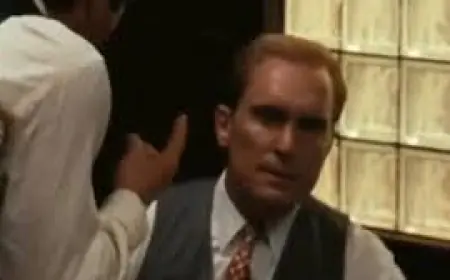





When Robert Duvall fell in love with Scottish football

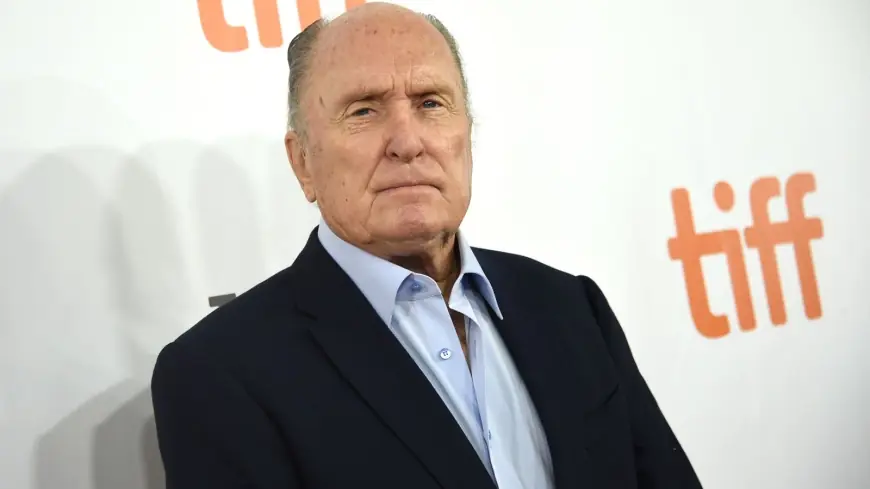
Robert Duvall, the veteran actor who died this week at the age of 95, is rightly remembered for towering dramatic turns on screen. But one of the more unexpected chapters of his career saw him pacing the touchline at small Scottish grounds, directing rehearsals of overhead kicks and drawing thousands of local spectators while making the football film A Shot at Glory.
From Gracefield car park to Palmerston Park: an unlikely location scout
Long before the trailers and the posters, Duvall quietly scouted Scottish venues. A local reporter in Dumfries recalls a chance encounter in 1998: Duvall arrived briefly at the Gracefield Arts Centre car park to look at Palmerston Park and assess whether the ground could stand in for the fictional Kilnockie FC. He was on a mission to make a football film that felt genuine — and he immersed himself in the job.
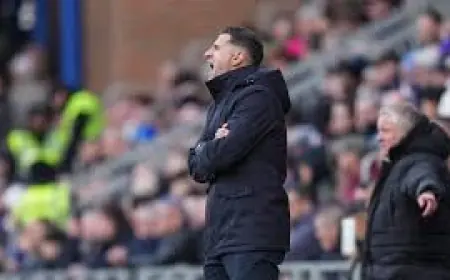
When filming began the following year, crowds turned out in their thousands. Fans packed the stands at Palmerston Park to watch an American screen legend work through take after take. The production staged Kilnockie’s improbable run to a Scottish Cup final, with Ally McCoist among the principal cast. Local spectators were treated to a long, entertaining day of filming, complete with repeated attempts at overhead kicks and the odd retake that only added to the communal buzz.
For the club and the town, it was a rare moment in the spotlight. For Duvall, it was an opportunity to step away from the usual trappings of Hollywood and focus on a small, character-driven story set against the atmosphere of Scottish football.
A footnote in a colossal career
A Shot at Glory is not widely regarded as the pinnacle of Duvall’s work — he himself was better known for intensely memorable roles in films such as The Godfather, Apocalypse Now and Tender Mercies, for which he won an Academy Award. Still, the Scotland project remains a fond memory for many who saw him at close quarters, whether on the sidelines at Hampden Park or pacing Palmerston’s touchline.
That mixture of gravitas and curiosity defined much of his life on screen. He could be terrifying and comic, tender and terrifying, often in the space of a single scene. He arrived in each part with the same seriousness of purpose that led him to travel to small towns to find authenticity for a football story. The Scotland shoot captured something that rare: a superstar willing to inhabit a modest world and let the local color shape the film.
Beyond the pitch, Duvall’s career spanned an extraordinary range of roles — from a non-speaking but pivotal part in a classic courtroom drama to a volatile cavalry officer whose lines about the smell of napalm became indelible. He grew up around military life, studied acting in New York, and spent decades building a reputation as a committed, fearless performer. That breadth helps explain why he could move from epic, history-tinged roles to directing a small-town football drama without losing credibility.
As tributes have noted this week, he died peacefully at home, surrounded by family. For towns in Scotland that hosted the film, the memories remain vivid: an Oscar-winning actor on the touchline, fans filling their stands to see him work, and a production that, for a time, made the local game the center of a movie set. It was an improbable pairing of Hollywood and grassroots sport — and, for many Scottish fans who were there, one of the more memorable encounters with a screen legend.