
























James Talarico Appeared — Then Vanished: Colbert Calls Out Network After Canceled Segment

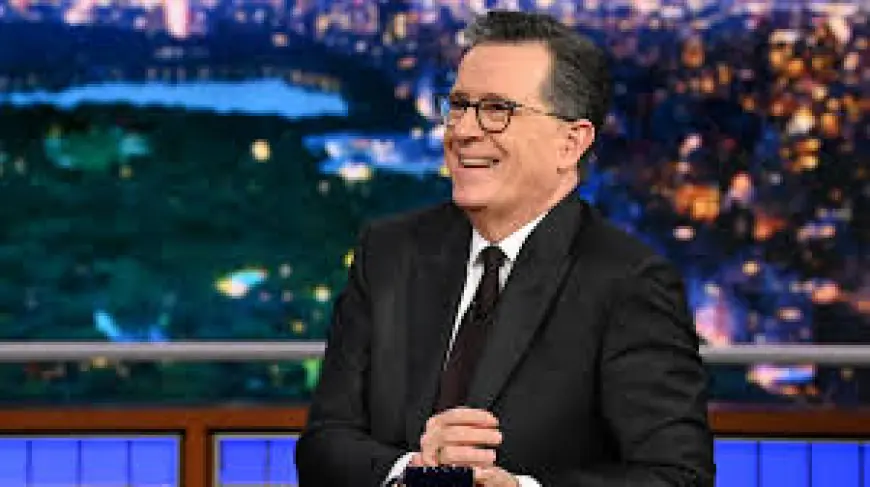
Texas State Representative James Talarico was slated to appear on Monday's Late Show but did not make the broadcast after lawyers for the host's network intervened. Host Stephen Colbert used the empty-chair moment to challenge the network's decision and the Federal Communications Commission guidance that he says is chilling political discussion on broadcast television.
Colbert confronts the network's lawyers live
Colbert opened his segment by telling viewers that Talarico had been booked, then explaining that he was barred from having the representative on the program. He said the directive came from the network's legal team and that he had been warned not only to cancel the appearance but also not to mention the cancellation on air. Colbert defied that instruction and made the absence the subject of his monologue.
The host framed the dispute around the FCC's so-called "equal time" rule, which applies to radio and broadcast television and requires that if a program affords time to a candidate during an election, it must offer comparable access to opponents. Colbert emphasized that there has long been an exemption for news and talk-show interviews with political figures — an exemption he argued is vital to public discourse.
Colbert used the moment to criticize recent moves by the FCC chair to reconsider the exemption, calling the potential rollback a partisan maneuver that could muzzle political commentary on broadcast platforms. He peppered his critique with the show's usual comedic barbs but returned repeatedly to the core point: the combination of legal threats and regulatory pressure has real effects on what viewers see and hear from broadcast talk shows.
FCC guidance and the talk-show exemption under fresh scrutiny
Colbert referenced a letter released by the FCC chair on Jan. 21 that suggested narrowing the long-standing exemption for interviews on talk and news programs. The chair raised concerns that some programs might use interviews for partisan purposes, prompting a review of whether the exemption remains appropriate.
Critics argue that removing or narrowing this exemption would force broadcast talk shows to balance every appearance by a candidate with appearances by rivals, a logistical and editorial burden that could effectively push political interviews off major broadcast stages. Supporters of the review say that ensuring fairness during elections is essential and that broadcasters must adhere to neutral standards.
Legal experts note the distinction between broadcast television — which is subject to the FCC's rules — and cable or streaming outlets, which are not. That regulatory line matters because it determines whether a show must worry about equal time claims when booking guests who are running for office. Colbert stressed that this discrepancy could mean fewer prominent conversations about policy and leadership on channels that reach broad audiences the airwaves.
Implications for political media and upcoming races
The canceled segment raises broader questions about editorial independence and the extent to which regulatory pressure can shape programming decisions. Talarico, a Democrat, was due to discuss his campaign and policy positions; his absence on a major late-night show denied him a platform to reach viewers who might not otherwise encounter his views.
Colbert framed the moment as emblematic of a larger trend in which political actors and regulators exert influence over what can be said on broadcast television. He used his monologue to warn that narrowing interview exemptions on broadcast outlets could reduce the number of opportunities voters have to hear from candidates directly, especially those running in local or state contests that receive less national coverage.
The exchange sets up a potential legal and political fight over where the line between candidacy and commentary should be drawn, and which institutions decide that line. For now, the immediate consequence is concrete and visible: a scheduled guest did not appear on a major late-night broadcast, and the host spent airtime explaining why.