

























Reform UK names Robert Jenrick as pick for chancellor

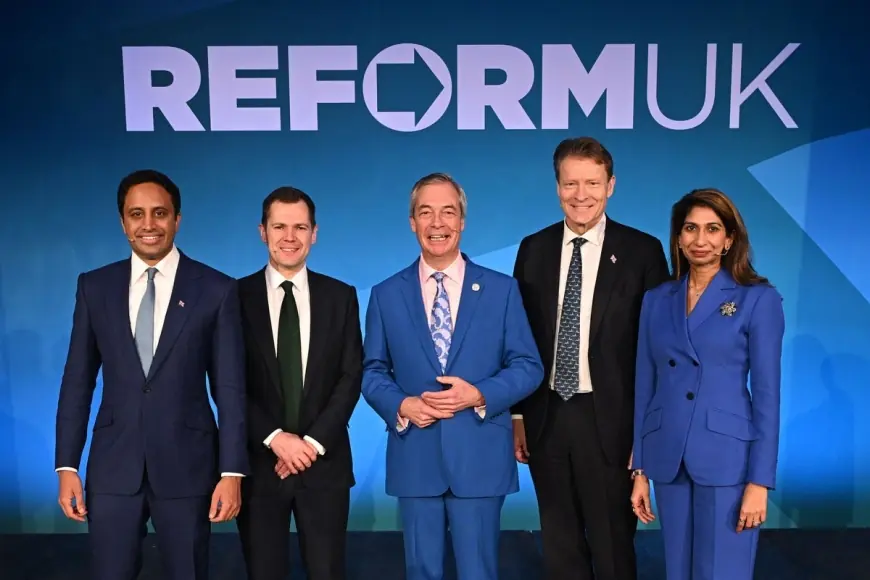
Nigel Farage has unveiled a new frontbench for Reform UK, designating Robert Jenrick as the party's prospective chancellor in the event it wins the next general election. The announcement, made as the party seeks to present itself as government-ready, also promoted several recent defectors from the Conservatives into senior roles.
High-profile defections and new briefs
Robert Jenrick, who left the Conservative Party last month, was handed the Treasury brief and billed as Reform's chancellor‑in‑waiting. Jenrick, a former housing secretary who has held ministerial posts at the Home Office and the health department and a junior Treasury role as exchequer secretary, framed the move as part of a broader effort to restore economic stability, cut waste, reduce the benefits bill and lower taxes.
Two other recent Tory departures were given prominent responsibilities. Suella Braverman was assigned education, skills and equalities, while Richard Tice took on a combined brief covering business, trade and energy and was identified as deputy leader with an added deputy prime ministerial role to play if Reform were to enter government. Zia Yusuf, the party's head of policy, was named lead on home affairs with a heavy emphasis on cutting both legal and illegal immigration.
Policy signals and internal dynamics
The frontbench line-up sends clear signals about the policy direction Reform intends to pursue. Braverman said a future Reform administration would scrap the equalities minister role and repeal the Equality Act, framing that move as a bid to roll back what she described as divisive diversity and inclusion measures. On education, she proposed shifting the emphasis away from university, targeting a 50% pathway into trades and technical training for young people.
Tice emphasised energy and growth, promising to prioritise domestic oil and gas production and abandon net zero targets he considers economically damaging. Yusuf's appointment points to a hardening of the party's migration stance, with a stated focus on cutting net immigration through measures aimed at both legal and illegal channels.
Farage presented the appointments as evidence that Reform is no longer a one‑man operation and is building a "machine for government, " while also warning that dissent will not be tolerated. That tone reflected ongoing questions about party cohesion given the influx of former Conservatives and the jockeying for senior economic roles that preceded the announcements.
Political implications and the road ahead
With Reform consistently polling strongly since last spring, the move to formalise a frontbench is intended to rebut criticism that the party lacks depth or governing experience. By installing figures with ministerial backgrounds, Reform is aiming to boost credibility among voters wary of change and to show readiness to assume office.
But the presence of recent defectors brings trade-offs. Critics within and outside the party see risks in importing politicians from the establishment it has often criticised. Farage attempted to manage those tensions by dividing responsibilities—splitting the economics brief between Jenrick and Tice by adding energy to the latter's remit—and by asserting tight discipline over the frontbench.
Farage also indicated a deadline for any further defections, setting a timetable for consolidating the party's ranks ahead of the next general election. For now, Reform's leadership will seek to convert strong poll numbers into organisational momentum, while the new frontbench will be tested on whether it can translate policy promises about taxes, benefits, education and migration into coherent plans that resonate with a wider electorate.