
























Girona vs Barcelona: Online Coverage Disrupted as Fans Scramble for Live Updates

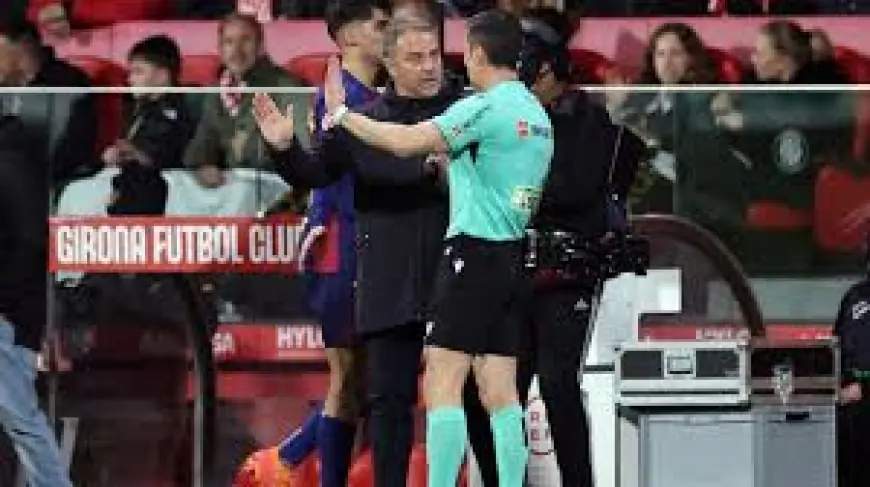
Coverage of the high-profile Girona vs Barcelona clash on Feb. 17, 2026 (ET) was marred by widespread technical interruptions that left many supporters without reliable live feeds, statistics pages or match reports. The disruptions ranged from blocked content tied to browser settings to persistent consent prompts and site errors, creating confusion for viewers seeking real-time information.
What went wrong
Throughout the match window, multiple access issues appeared on several widely used sports and news websites. Common problems included pages prompting for extensive cookie and privacy choices before content would load, requests to enable JavaScript, and notices asking users to disable ad-blocking extensions. In some cases, visitors encountered generic error messages that prevented pages from rendering entirely. The result was a patchwork of partial coverage: some viewers could access static text updates, others could load highlights but not live stats, and a subset was unable to reach any match content at all.
These interruptions had a particular impact on mobile users and those relying on quick match updates while on the move. Fans who rely on a single website for consecutive game updates found their experience more fragile than usual, as automated content gating and site-level protections interrupted the normal flow of live reporting. The timing, coinciding with a marquee domestic fixture, amplified frustration among those expecting seamless access.
Impact on fans, clubs and broadcasters
For viewers, the immediate fallout was inconvenience and uncertainty. Many turned to social platforms, club communication channels and alternative streaming tools to confirm scores, lineups and key incidents on the pitch. Some supporters expressed frustration at having to toggle settings or switch devices mid-game. Others reported delays in receiving official confirmations of substitutions, penalties and late goals, fueling speculation and confusion.
Clubs involved in the fixture saw elevated traffic to their own channels as fans sought authoritative information. That redirected demand created additional pressure on official team feeds, which in some cases struggled to keep pace with the spike in requests. For broadcasters and content operators, the event highlighted operational vulnerabilities: when front-end controls like consent prompts or ad-block detection mechanisms are misconfigured or too aggressive, they can block essential match coverage and erode user trust.
What fans can do and what to expect next
Supporters affected by the disruptions were encouraged to take a few simple steps to restore access quickly: refresh pages, check browser settings for JavaScript and content blockers, and consider using alternative devices or official club channels for time-sensitive updates. If prompts about cookies or consent appear, reviewing and selecting minimal necessary permissions can enable faster access without consenting to nonessential tracking.
Looking ahead, the incident is likely to prompt operators across the sports ecosystem to reassess how cookie consent flows, ad-block detection and error handling are implemented around live events. Prioritizing fast visibility of core match information while deferring optional prompts could reduce outages and improve fan experience for future fixtures. For now, many users are calling for clearer, simpler access paths during live matches so that the focus remains on the action on the pitch rather than the barriers to seeing it.
As the dust settles, both clubs and content operators will be watching how audiences react and where improvements can be made. For fans craving uninterrupted matchday coverage, the message is clear: streamline access, limit intrusive prompts during live play, and ensure official channels can handle surges in demand.