






















Year of the Fire Horse ushers in bold, combustible Lunar New Year outlook

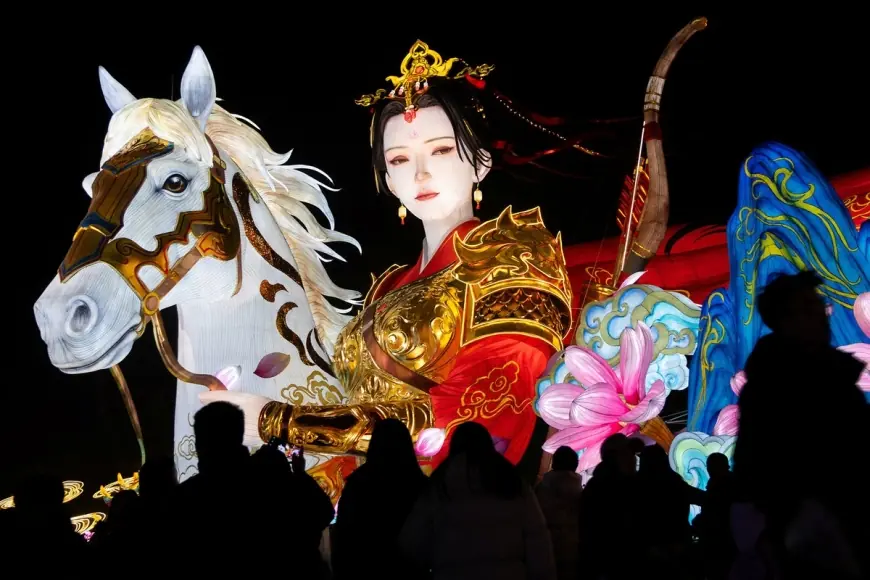
The Lunar New Year has arrived and with it a rare astrological turn: the Year of the Fire Horse. Communities across the globe marked the start of the festival with red lanterns, family gatherings and ritual observances aimed at setting the tone for the months ahead. Cultural advisers and tradition-keepers describe the coming year as unusually dynamic — full of momentum but liable to flare-ups — prompting a mixture of celebration and caution.
What the Fire Horse symbolises for 2026
In traditional zodiac thinking, the horse stands for movement, independence and ambition. The fire element intensifies those traits, delivering a personality that is brash, fast-moving and transformational. Practitioners of Chinese metaphysical systems note that the Fire Horse combination appears infrequently and is associated with bold shifts, heightened appetite for risk and a greater likelihood of dramatic change.
Expectations for the year are varied. Some interpret the Fire Horse as an invitation to seize opportunities — to launch projects, pursue bold policy moves or accelerate career changes. Others counsel prudence, warning that the same energy that fuels progress can also make situations combustible: decisions made in haste could produce repercussions later in the cycle. For businesses and communities, the message is to balance ambition with contingency planning.
Customs, superstitions and how people are marking the festival
The first days of the Lunar New Year remain steeped in customs intended to attract good fortune and avert bad luck. Many households complete major cleaning and preparations before the new moon to sweep out the old and welcome positive energy once the festival begins. Traditional rules observed by families include avoiding haircuts early in the new year, refraining from sweeping on the first days and wearing auspicious colours like red to symbolically ward off misfortune.
Communities are also observing quieter rituals: preparing vegetarian meals on certain lunar phases, offering symbolic gifts that represent prosperity, and honoring protective deities at household altars. Social taboos persist as well — people often avoid lending money, taking out trash on the first days, or engaging in loud arguments to prevent “cutting off” or dispersing good fortune. The tone of many celebrations this year blends exuberance with deference to these long-held practices.
Public festivals run the gamut from intimate family reunions to community parades and temple visits. Many organisers are emphasising safety and inclusiveness given the Fire Horse’s reputation for intensity, while cultural groups are using the occasion to highlight art, food and storytelling that trace the zodiac’s historical and social meanings.
Practical implications and a forward look
For planners, businesses and policymakers, the Fire Horse’s charge suggests an active year for change management. Markets and sectors driven by innovation may see accelerated activity, but advisers recommend safeguards against volatility — from tighter risk controls to clearer communication strategies during transformational moves. On a personal level, the festival is being framed as a time to balance bold choice with steady stewardship.
As festivities unfold, many will use the 15-day festival window to establish intentions: setting financial or health goals, repairing strained relationships, or launching creative ventures. The Fire Horse year is unlikely to be a passive one; it rewards decisive motion but punishes impulsivity. Observing traditional customs remains a familiar way for families and communities to channel the year’s restless energy into rituals that feel stabilising.
Whether the Fire Horse proves to be a year of breakthrough or turbulence, communities are beginning it with the ritual rhythms that have accompanied the Lunar New Year for generations — a reminder that cultural practices help translate celestial forecasts into everyday behaviour and choices.