
























Lunar New Year 2026: What the Year of the Fire Horse means — traditions, warnings and outlook

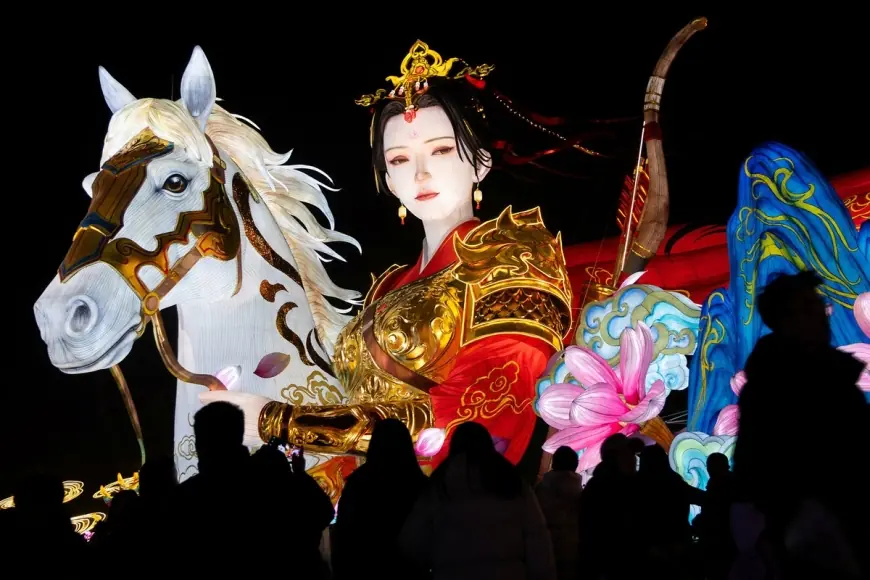
The Lunar New Year ushers in the Year of the Fire Horse, a rare and fiery combination in the Chinese zodiac that carries a reputation for intensity, momentum and disruption. Communities marking the festival are balancing time-honored rituals with modern-day celebrations, while many households observe a long list of dos and don’ts meant to protect fortune and invite good luck through the 15-day festival period.
What the Fire Horse symbolizes
The horse in the zodiac is associated with energy, independence and forward motion; when paired with the fire element, those qualities are often amplified. Cultural interpreters and astrologers emphasize that a Fire Horse year can be a catalyst for rapid change: it may present opportunities for bold moves, entrepreneurial ventures and creative reinvention, but it can also heighten volatility and heated exchanges.
People born in horse years are traditionally seen as spirited and sometimes headstrong; a Fire Horse year is thought to bring those characteristics into sharper relief across society. For individuals and organizations, the guidance from cultural practitioners is consistent — embrace momentum where it serves long-term goals, but plan carefully and avoid impulsive decisions that could carry outsized consequences.
Traditional dos and don’ts during the festival
The New Year period begins with the new moon and concludes on the full moon 15 days later. Many households observe restrictions during this span intended to preserve luck. Common practices include avoiding sweeping or dusting during the core festival days; the belief is that cleaning can symbolically sweep away good fortune. Haircuts are often postponed throughout the 15-day window, and washing one’s hair on the first day is sometimes avoided for similar reasons tied to prosperity.
Color choices play a symbolic role: wearing red is widely encouraged as a sign of celebration and protection from misfortune, while black and white — traditionally associated with mourning — are generally avoided. Other typical precautions include holding off on throwing out the rubbish on festival days and refraining from lending money, both rooted in the idea of not letting wealth or good fortune leak away at the start of the year. Families also try to keep the first day free from arguing and tears, since a tense opening day is thought to set a negative tone for the months ahead.
Religious and regional practices add further layers. Some households follow vegetarian menus on specific lunar phases during the festival, a practice linked to certain Buddhist observances. Altars, offerings and rituals to household deities — from kitchen protectors to gods of fortune — remain part of many celebrations, reflecting a blend of ancestral, folk and religious traditions that vary by community.
What communities and individuals can expect in 2026
Across cities and smaller towns, public festivities mix parades, lion and dragon dances, temple visits and community gatherings. Organizers are mindful of both the celebratory and precautionary notes that define this year: large gatherings will highlight the horse’s dynamism, while messaging to participants often stresses cautious optimism and awareness of long-held taboos.
For individuals, the Fire Horse year is being framed as a time for strategic boldness. Financial advisors and cultural commentators that blend traditional wisdom with modern planning suggest mapping intentions now, avoiding high-risk gambles born of impulse, and using the year’s energy to pursue carefully considered projects. On the social front, communities are emphasizing reunion and renewal rituals designed to strengthen ties and reduce the potential frictions that a fiery year can intensify.
As festivities unfold, the core message from cultural custodians is familiar: the Lunar New Year is both a moment to sweep away the old and an opportunity to set deliberate intentions for the months ahead. In a Fire Horse year, that mixture of momentum and caution is likely to shape how people celebrate, what they prioritize and how they choose to act as the new cycle begins.