





















Robert Duvall, Screen Titan of The Godfather and Apocalypse Now, Dies at 95

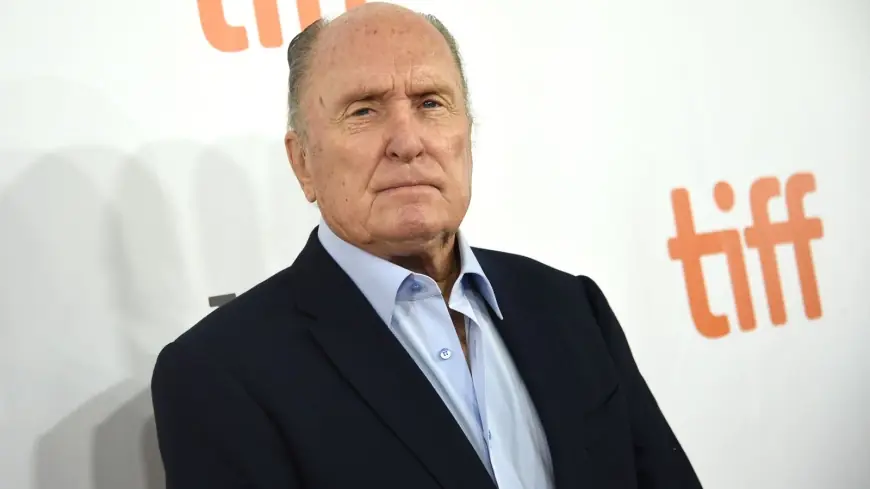
Robert Duvall, the veteran actor whose career produced some of modern cinema’s most indelible supporting performances and an Oscar-winning lead turn, has died aged 95. His wife, Luciana, said he died peacefully at home on Sunday, surrounded by family and comfort. Duvall leaves behind a body of work that stretches from Broadway to landmark films and long-running television roles.
A career of range and relentless work
Born January 5, 1931, in San Diego and raised in Annapolis, Duvall was the son of a Navy admiral and an amateur actress. After college and military service, he moved to New York to pursue acting, training under Sanford Meisner and honing his craft on stage in productions including classic American plays. Early in his career he shared lodgings with fellow struggling actors and forged friendships that would mark his professional life.
Duvall’s screen debut came in the early 1960s, and he soon became known for his ability to make relatively small parts unforgettable. His performance as Arthur “Boo” Radley in To Kill a Mockingbird introduced him to movie audiences, and he went on to build a résumé that balanced steady television work with rich film roles. Duvall famously appeared in The Godfather as Tom Hagen, the calm, savvy consigliere whose quiet competence became a defining presence in the film’s portrait of power and family. He later reprised that role in The Godfather Part II.
He earned widespread acclaim for another supporting turn as Lieutenant Colonel Bill Kilgore in Apocalypse Now, a scene-stealing performance that helped cement his reputation for creating memorable, textured characters. Over the decades he was nominated for seven Academy Awards and took home the best actor Oscar for Tender Mercies in 1984, portraying a country singer battling alcoholism and the slow, painful work of recovery.
Personal notes, accolades and legacy
Duvall was admired for a work ethic he described simply: stay employed and keep working. That ethos translated into a prodigious output of film, television and stage credits across more than half a century. He won praise for playing historical figures on television, portrayed complex characters across genres and maintained a presence that directors and audiences returned to again and again.
In the statement from his wife, Luciana, she described him as “one of the greatest actors of our time, ” and spoke of his passions beyond acting: food, conversation and the love he brought to family life. She noted that he gave everything to his characters and sought the truth of the human spirit in every performance. Those who saw his work will remember both the quiet, interior performances and the larger-than-life moments that made him so watchable.
Duvall’s legacy is not only measured in awards and nominations but in the way his performances could alter the tone of a scene, enrich a narrative and lend authenticity to films that remain central to American cinema. From the haunted gentleness of Boo Radley to the weary redemption of Tender Mercies, and the sharp intelligence of Tom Hagen, his range was extraordinary.
Public reaction and what comes next
Tributes from colleagues, friends and admirers are expected to follow as the industry and fans reflect on a career that reshaped supporting work in film. Family members have asked for privacy while they celebrate his life and remember his contributions both on and off screen. For viewers and students of film, Robert Duvall’s performances will remain reference points for how an actor can quietly dominate a scene and enrich an entire story with truthful, human detail.
He leaves behind a vast catalogue of performances that will continue to be rediscovered by new audiences and reassessed by critics and historians, ensuring his place among the most respected character actors of his generation.