

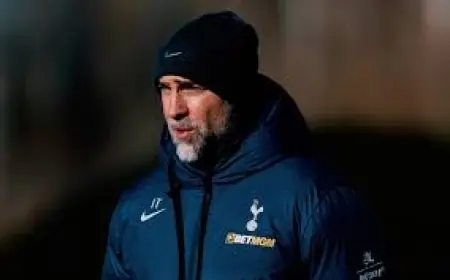














Igor Tudor takes Tottenham training and instantly targets north London derby

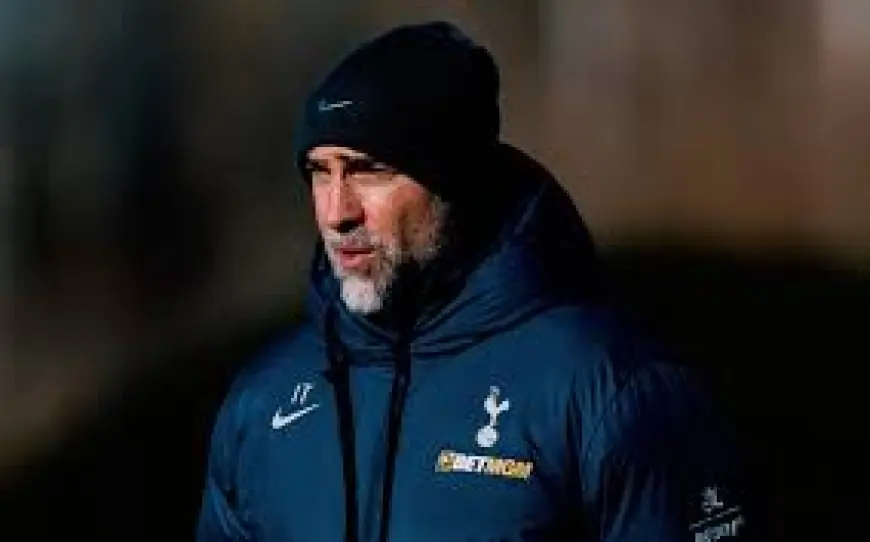
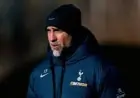
Igor Tudor arrived in London and wasted no time getting to work, leading his first Tottenham training session as he and his staff prepare the team for Sunday’s north London derby. Appointed on a short-term deal until the end of the season, Tudor has an immediate mandate: lift performances, inject intensity and arrest a slip down the table.
Tudor wastes no time at Hotspur Way
The club confirmed Tudor’s appointment on Saturday, Feb. 14, 2026 at 12: 00 ET. He travelled to London the following day and addressed the squad on Monday, Feb. 16, 2026 ET before taking charge of the first session. Players returning from a five-day break were met with a clear message that training standards will change, with the new head coach demanding a sharper tempo and higher physical output.
Club statements and the coach’s own words underscore the simple brief he has been given: organise the team, energise the dressing room and produce results quickly. Tudor told the squad he sees strong quality in the roster and that his job is to bring consistency and competitive edge. Staff have already emphasised that intensity will be a hallmark of his approach.
Tactical choices and immediate constraints ahead of Arsenal
Tudor arrives with only a week to prepare for the north London derby, a fixture that now looms as both a chance to arrest a slide and a severe test of early progress. He has often favoured a back three in previous jobs, but Tottenham’s centre-back options are limited: one key defender is suspended and another is currently sidelined with injury. That shortage will force tactical flexibility, and Tudor must decide whether to adapt his preferred setup or make interim adjustments to cover the defensive gap.
There are also broader questions about how quickly new training methods can translate into match performances. Players at Hotspur Way have been described as ready for a different stimulus after a period of slower, more tactical sessions. Tudor’s reputation as a demanding coach who expects high work-rate means squad buy-in will be critical over the next seven days.
Proven mid-season impact but few long-term stays
Tudor’s CV shows a pattern that partly explains why Tottenham have turned to him now: he has a history of stepping into challenging mid-season roles and producing short-term improvements. From cup success early in his managerial career to stabilising teams threatened by relegation and driving late-season surges elsewhere in Europe, Tudor has repeatedly been brought in to steady floundering ships and deliver immediate results.
That record comes with caveats. He rarely remains in post for long stretches, and questions have been raised in the past about long-term fit and disagreement over transfer priorities. Still, his brief stints have often produced the pragmatic outcomes clubs needed at crunch moments, and Tottenham’s hierarchy have framed his brief as a clear, results-oriented mission: stabilise, improve and climb the table before season’s end.
With the derby approaching, Tudor’s first week will be measured not only by training intensity but by tactical clarity and team selection. The coming days at Hotspur Way will reveal how quickly he can translate his short-term manager profile into meaningful improvements on the pitch — and whether that is enough to change Tottenham’s immediate trajectory.