






















Crockett vs. Talarico: How the Dems running for US Senate stack up on issues

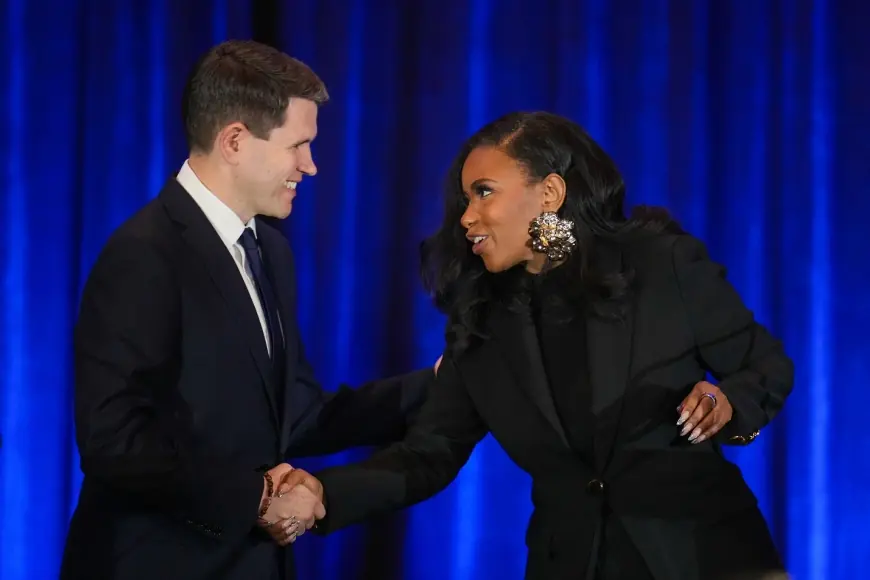
The Democratic contest for U. S. Senate has become a study in both overlap and contrast. U. S. Rep. Jasmine Crockett and state Rep. James Talarico are unapologetic progressives with comparable legislative experience and the shared ambition of sending the first millennial senator from the state to Washington. But their approaches to campaigning, messaging and specific policy proposals set them apart as the March 3, 2026 (ET) primary nears.
Policy parallels — and where they diverge
On substance, the two candidates often land in the same neighborhood: boosting economic fairness, rethinking immigration enforcement and holding former presidents accountable for misconduct. On income inequality, james talarico has pushed for higher income and capital gains taxes on the wealthiest households, arguing that the revenue would fund programs for everyday families. Crockett echoes the theme in blunt political language: she routinely frames tax policy as requiring billionaires and large corporations to pay their fair share.
Both candidates have courted progressive voters on immigration reform, but their prescriptions differ in tone and detail. Talarico favors a repeal-and-replace approach to the current enforcement structure, proposing a new agency focused explicitly on public safety. Crockett has called the enforcement apparatus a rogue agency and urged comprehensive changes in leadership and oversight, describing the fix as a congressional cleanup from top to bottom. Neither has endorsed dismantling the functions of enforcement entirely.
The two also agree that the conduct of the current administration presents impeachable offenses. Crockett has said she supports moving forward with a formal process; Talarico has asserted that impeachable conduct exists and emphasized the need for accountability without turning the stance into a purely partisan attack.
Style, outreach and electoral math
The clearest contrasts are stylistic. Crockett’s public image is forged in combative moments — viral clips of floor fights and sharp rebukes of opponents have become central to her brand. Talarico deploys a more collegiate, faith-inflected frame: during the 2025 legislative session he often referenced his Christianity while debating policy and has said he is studying to become a Presbyterian minister. The difference is not merely aesthetic; each style aims at different persuadable blocs and media ecosystems.
Race and voter outreach are shaping the race as much as policy. Black voters are pivotal in the Democratic primary, and poll data shared by campaigns earlier in the cycle became a flashpoint when topline results excluding Black preferences were promoted by a campaign consultant — a move that drew sharp criticism for sidelining a core Democratic constituency. Subsequent polling has shown Crockett with stronger support among Black primary voters, while Talarico has led or performed well with white and Latino voters in some matchups.
The contest has also faced interpersonal friction. An influencer alleged that Talarico described a rival as a "mediocre Black man, " an allegation he called a mischaracterization and rejected, saying he would never attack someone on the basis of race. The episode prompted public rebukes and an endorsement shift that heightened scrutiny of how both candidates campaign across racial lines. Talarico has said he intends to introduce himself to Black voters statewide to try to earn their trust and support.
The November challenge
Wherever the primary winner emerges, the general election presents a steep climb. No Democrat has won a U. S. Senate race in the state since 1988, and Republicans currently hold a 53-47 majority in the Senate. The eventual Democratic nominee will need to translate primary coalitions into a broader coalition for November while countering national headwinds and the state’s Republican tilt.
For Talarico, the pathway depends on expanding his reach with Black voters without alienating his gains with white and Latino constituencies. For Crockett, the challenge will be to convince persuadable voters that a combative style can translate into pragmatic governance and general-election viability. Both candidates are staking their cases on progressive change, but how each balances ideology, messaging and outreach will determine whether Democrats can close a decades-long gap in the state’s Senate contests.