

























Rodent Forces SAS A320neo Mid-Flight U-Turn

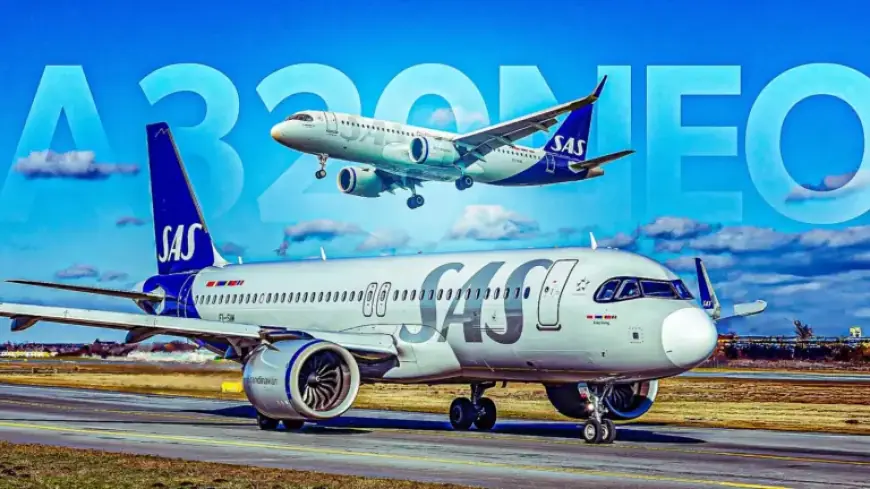
Last week, an unusual incident occurred mid-flight involving a Scandinavian Airlines (SAS) A320neo aircraft. The flight, which departed from Stockholm Arlanda Airport (ARN) en route to Malaga, Spain, had to turn back after a mouse was discovered onboard. This unexpected rodent forced the aircraft to return to its departure airport, resulting in a significant delay for the passengers.
Incident Details
The flight took off on February 7 and was already in the air for nearly four hours when the decision was made to return. The presence of a rodent posed safety risks, including potential damage to critical aircraft systems and components. Concerns were raised about the mouse potentially chewing through wiring, leading to electrical failures or fires.
Response and Aftermath
Upon landing back in Stockholm, passengers were safely disembarked and rebooked onto another flight to Malaga without further issues. According to air traffic data from Flightradar24, the aircraft was returned to service the following day after a thorough inspection confirmed no damage.
History of Rodent Incidents
This incident was not an isolated occurrence for SAS. In September 2024, another A320neo, flying from Oslo to Malaga, had to divert for an emergency landing in Copenhagen due to a mouse found in a passenger’s meal. Following that situation, SAS highlighted the importance of safety and the need for rigorous inspections of both aircraft and catering services.
Implications of Rodent Presence
Although such occurrences are rare, airlines take the presence of rodents seriously. The risks associated with wildlife on board are considerable, potentially causing operational delays and safety hazards. Moreover, the presence of rodents extends beyond flights, posing challenges within airport environments where they can affect numerous systems and passenger health.
Conclusion
While the incident involving the SAS A320neo may be unusual, it serves as a reminder of the complexities of maintaining safety in aviation. Ensuring that such disturbances are addressed efficiently is crucial for the reputation and operational integrity of airlines like SAS.