
























Athena Film Festival’s 2025 selection ‘Who in the Hell is Regina Jones?’ makes its network debut

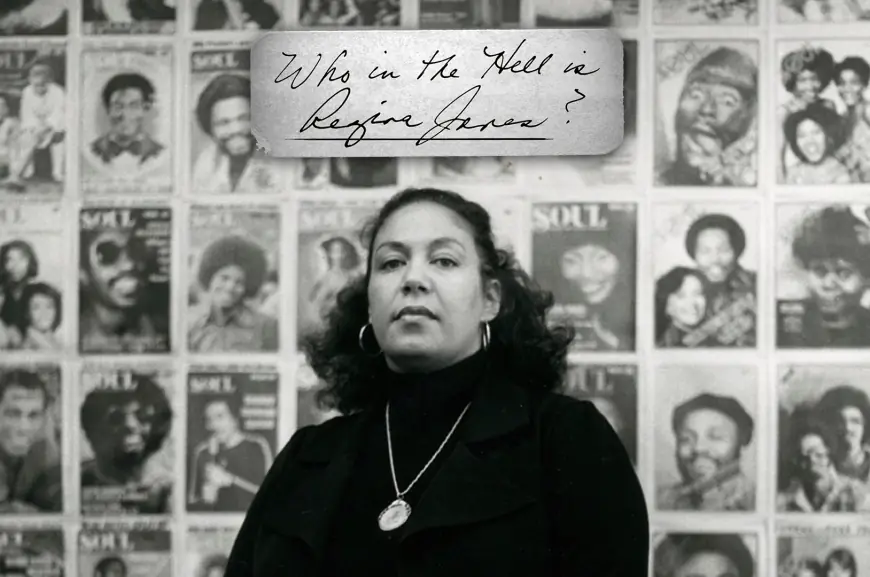
Who in the Hell is Regina Jones?, the documentary spotlighting Regina Jones and the influential Black entertainment newspaper she co-founded, premiered on television at 8 p. m. ET on Monday, Feb. 16. The film, which first drew attention on the festival circuit, returns the spotlight to a journalist whose work helped document and shape Black music culture beginning in the 1960s.
From Watts dispatcher to magazine founder
Regina Jones’ path to journalism began amid civic upheaval. At 22 she answered the first 911 call about the Watts unrest on Aug. 11, 1965, while working as a Los Angeles Police Department dispatcher. Within a year she and her husband founded a Black entertainment publication designed to celebrate and chronicle music, culture and artists often overlooked by mainstream outlets.
The inaugural issue, dated April 14, 1966, carried James Brown and Mick Jagger on the cover and sold 10, 000 copies. Over the next 16 years the paper produced hundreds of issues—more than 300 by some counts, with other tallies noting as many as 372—covering soul, jazz, funk, gospel and R& B. It featured profiles and cover stories on artists who would become giants of popular music, and it broke ground in putting Black performers front and center in entertainment journalism.
Jones’ archive—boxes and stacks of back issues kept in her Los Angeles garage and later preserved by her grandson—served as the primary material for the filmmakers. Those physical stacks, family home movies and audio recordings provide the documentary with a tactile, archival core that makes the magazine’s era tangible to contemporary viewers.
A personal film that centers Regina’s voice
Directed by Billy Miossi and Soraya Sélène, the film takes an intimate approach. Rather than chasing celebrity testimony, the filmmakers concentrate on Jones herself. The narrative is carried largely by Jones, now in her early 80s, who guides viewers through memories, anecdotes and the paper’s editorial choices. A handful of former coworkers and contributors supplement her recollections, including noted photo editor Bruce Talamon.
Archival footage, recorded interviews, home movies and Jones’ own memos to writers create a layered portrait of both the editor and the newsroom she led. The documentary underscores Jones’ relationship with artists of the era and her knack for access: she was among the first publishers to put future superstars on magazine covers and to establish direct lines to performers who trusted her voice.
Rather than touring celebrities for fresh interviews, the film deliberately aims to restore Regina’s presence in cultural memory. The directors have said they wanted the story to be about Jones’ life and impact, not a roster of famous faces. That choice shapes the film’s rhythm and gives weight to material that might otherwise remain archival footnote.
Legacy, preservation and recognition
Efforts to digitize and preserve the paper’s run have been underway, spearheaded by family members and archivists who see the collection as a vital record of Black musical life in the latter half of the 20th century. The documentary showcases that preservation work and makes a case for why this regional, community-focused journalism deserves renewed attention.
Who in the Hell is Regina Jones? has also attracted formal recognition: it received a nomination as an outstanding documentary film for the 57th NAACP Image Awards, to be presented on Feb. 28 ET. The nomination and the television debut together mark a new chapter for Regina Jones’ story—reintroducing her to audiences who may not have encountered the paper that documented a crucial era in popular music and Black cultural life.
"Writing saved my soul, " Jones reflects in the film, capturing both the personal and communal impulse that drove her work. This documentary invites viewers to revisit a journalist’s life and the publication she built, and to consider how local, determined reporting can leave a lasting imprint on culture.