

























State Department Passport Demand Surges Ahead of Spring Travel, With 2026 Deadlines Pushing Americans to Renew Early

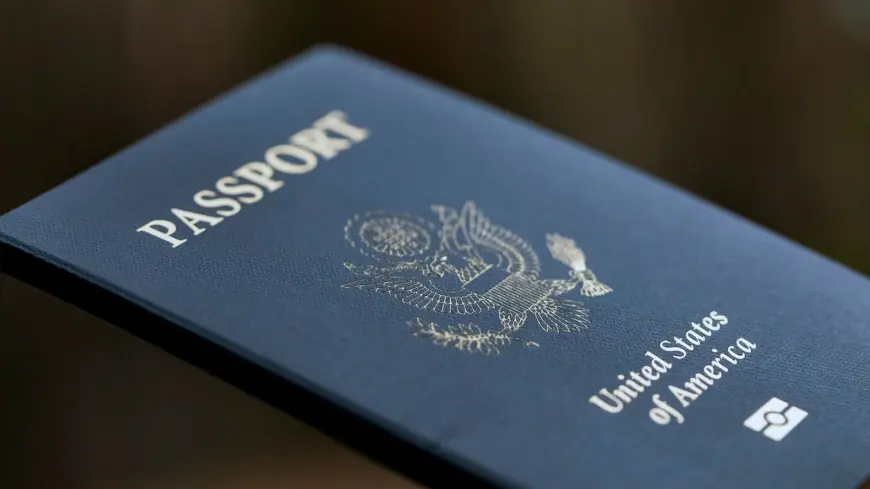
A growing number of Americans are confronting a familiar problem at the worst possible time: a passport that is expired, expiring soon, or missing entirely just as spring travel planning ramps up. On Tuesday, February 17, 2026 ET, the State Department is again urging travelers to check passport validity well before booking international trips, as processing volumes typically climb in late winter and early spring.
The practical stakes are simple. If your passport arrives late, your trip does not wait. Airlines, cruise lines, and many countries enforce strict entry rules, and even travelers who technically have a passport can run into trouble if it expires too close to the travel date.
Passport basics that trip people up most often
The most common issue is not total expiration. It is timing.
Many destinations require that a passport be valid for a minimum period beyond the date of entry, and some carriers apply those rules aggressively at check-in. Travelers sometimes discover this only after they have paid for flights and lodging. The result is a scramble for expedited service, last-minute appointments, or a canceled trip.
A second frequent pitfall is name mismatch. If your legal name changed and your passport does not match your ticket, you can end up stuck in a documentation loop. The fix may be straightforward, but it takes time.
Third, many parents underestimate minor passport rules. Children’s passports have different validity periods and renewal requirements, and minors often must appear in person with specific documentation. Families often discover this when trying to plan a multi-person trip on a short timeline.
State Department passport renewals: who can renew by mail and who cannot
Most adult renewals are simpler when you qualify for a standard renewal pathway. In broad terms, adult renewals are typically smoother if you can submit an eligible prior passport and the information is largely unchanged.
However, you may need an in-person application if your previous passport is too old, was issued when you were a minor, was lost or stolen, or if you cannot submit the prior document as required. In-person applications are also common for first-time applicants and for many minors.
The key takeaway is that “renewal” does not always mean “easy.” Travelers should confirm early which route applies, because the required forms, documents, and appointment needs can differ.
Expedited service and urgent travel: what to expect
When demand spikes, travelers often ask one question: can I pay more and get it faster?
Expedited options exist, but they are not a magic wand. Faster processing usually still depends on capacity, correct paperwork, and how quickly materials move through intake and printing. Small errors can cause outsized delays, especially when volume is high.
For truly urgent international travel, there are limited urgent-travel pathways that may involve an appointment and proof of imminent travel. These options are not designed for casual procrastination; they exist for time-sensitive situations. The practical reality is that appointment availability can tighten quickly when many people try to solve the same problem at once.
What’s behind the headline: incentives and stakeholders
The passport system sits at the intersection of public service, security, and seasonal travel economics.
The government’s incentives include identity verification integrity, fraud prevention, and predictable throughput. Travelers’ incentives are speed and certainty. Airlines and cruise operators want consistent enforcement to reduce disruptions at gates and ports, while travel agencies and tour operators prefer a stable processing environment that does not scare customers away.
A late-arriving passport creates ripple effects: rebooking fees, abandoned itineraries, and crowded customer-service lines. It also pushes more applicants into urgent channels, which can strain appointment capacity for those with genuine emergencies.
What we still don’t know: the missing pieces that drive delays
The factors that most often separate a smooth application from a messy one are not always visible to applicants:
-
Seasonal volume swings tied to school calendars and spring breaks
-
Processing variability based on application completeness and document verification
-
Appointment capacity differences across regions
-
Mailing and delivery variability outside the agency’s control
Because these drivers change week to week, the most reliable strategy is still the least exciting one: apply earlier than you think you need to.
What happens next: realistic scenarios for spring 2026
-
Routine processing slows as spring travel peaks
Trigger: a surge of first-time applicants and families planning international trips. -
Expedited demand rises sharply
Trigger: travelers discovering validity requirements after tickets are purchased. -
Appointment competition intensifies in major metro areas
Trigger: overlapping school breaks and peak cruise sailings. -
More travelers shift to “passport readiness” behavior
Trigger: repeated travel disruptions encourage earlier renewals and document checks. -
Increased scrutiny at check-in counters
Trigger: carriers enforcing destination-specific validity rules to avoid fines and returns.
The practical checklist travelers should do today
-
Check the expiration date now, not when you pack
-
Confirm your name matches your travel booking
-
If traveling with children, verify each child’s passport status and requirements
-
Gather proof documents early and make clean copies where needed
-
If you anticipate tight timing, pursue the correct faster option immediately rather than waiting
The headline is not that passports are complicated. It is that timelines are unforgiving. In 2026, the smartest travel planning move may be the least glamorous one: treating your passport like a prerequisite, not an afterthought.