























Jackie Kennedy back in the spotlight as new drama revives old debates

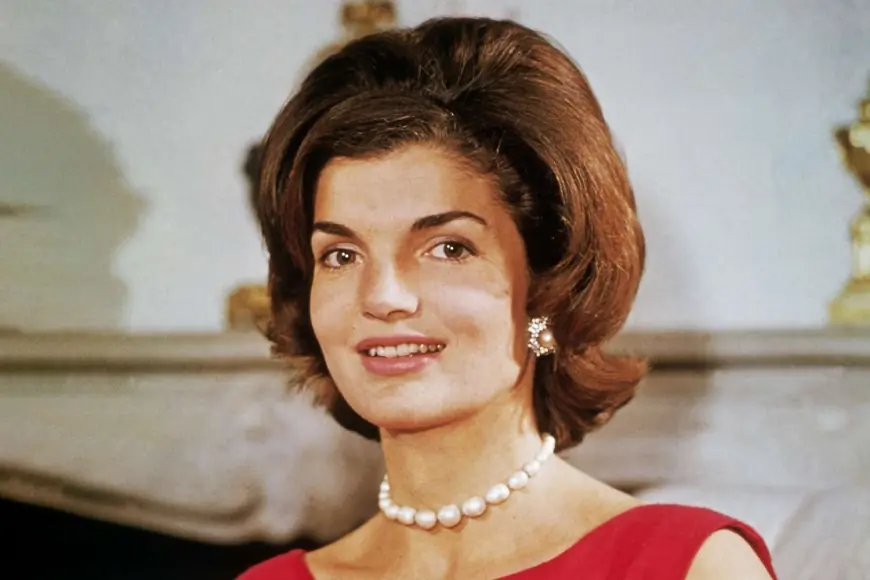
Jacqueline “Jackie” Kennedy Onassis is surging back into public conversation this February as a new limited drama revisits the Kennedy family’s most scrutinized era—while fresh commentary also reopens long-running questions about how institutions treated her private life. The renewed attention has pushed viewers and readers toward the same themes that have followed her for decades: myth versus record, style versus substance, and the cost of living in permanent glare.
-
Why she’s trending now: a new dramatization centered on John F. Kennedy Jr. and Carolyn Bessette that features Jackie as a key figure
-
What’s being re-litigated: claims about religious condemnation of her 1968 marriage to Aristotle Onassis
-
What’s also resurfacing: enduring fascination with her cultural legacy, from fashion artifacts to the story of her final months
A new series puts Jackie on screen again
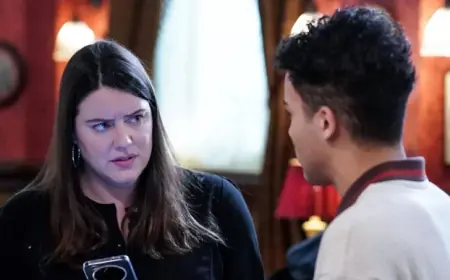
The immediate catalyst is a high-profile, newly launched dramatization of John F. Kennedy Jr. and Carolyn Bessette’s relationship, with Jackie portrayed in pivotal scenes. Even when she is not the central character, her presence shapes the story’s emotional logic: she is shown as both a protective parent and a symbol of a family that could never step out of the spotlight.
The show’s early episodes lean into the tension between private moments and public expectations—an angle that naturally pulls Jackie back into the frame. That matters because depictions of her often become proxies for larger arguments: whether she had agency within the Kennedy machine, how she navigated grief after 1963, and how the family’s fame intensified the media pressure that later surrounded her children.
“Did the Pope condemn her marriage?” gets revisited
Alongside the entertainment surge, a separate wave of discussion is circling a familiar claim: that the highest levels of the Catholic Church formally condemned Jackie’s 1968 marriage to shipping magnate Aristotle Onassis.
What is clear is that her remarriage was controversial in many circles at the time, especially because Catholic marriage rules did not recognize the new union as valid after her first marriage. The strongest versions of the claim—suggesting a personal, formal “condemnation” by the pope—are harder to substantiate publicly in a definitive, documentary way, and are often repeated without the same standards of proof applied to official church actions.
The more grounded takeaway is this: religious law, cultural expectations, and celebrity scrutiny collided around her remarriage, and the public story that emerged has been simplified and amplified over decades. The current round of debate is less about new evidence than about how quickly a dramatic narrative can calcify into “fact.”
The final years remain a point of fascination
Jackie’s last months also remain a magnet for attention, especially when dramatizations and anniversary-driven coverage steer audiences toward the end of her life. She was diagnosed with non-Hodgkin’s lymphoma in 1993 and died on May 19, 1994, at age 64.
What keeps returning in retellings is the contrast between the public image—poise, privacy, polish—and the practical reality of illness and family logistics. For many Americans, her death felt like the closing of a long national chapter that began in the early 1960s, and that emotional framing still shapes how stories about her are written and consumed.
Style objects still move markets—and memory
Even when the news cycle is driven by a TV role or a revived historical argument, Jackie’s fashion legacy remains a parallel track that never really cools off. Pieces associated with major Kennedy-era moments continue to appear in the auction world, and the interest isn’t only about clothing—it’s about owning a physical token of an era.
This market dynamic matters because it reinforces a feedback loop: objects become headlines, headlines renew fascination, and fascination raises the symbolic value of objects. Jackie’s cultural imprint is unusually well-suited to that loop because her public identity blended history, aesthetics, and narrative so tightly that even mundane items can be treated as artifacts of statecraft.
What happens next as the spotlight grows
In the near term, the biggest driver will be the week-to-week release rhythm of the new dramatization, which is likely to keep Jackie’s portrayal in conversation through late March 2026. Historically, each new portrayal triggers a familiar pattern: renewed interest in biographies, resurfacing of disputed anecdotes, and sharper public arguments about what’s “true” versus what’s simply compelling on screen.
The more lasting impact may be cultural rather than factual. Jackie remains one of the rare figures who can unite multiple audiences—history buffs, fashion followers, political obsessives, and pop-culture viewers—around the same name, even when they are chasing different questions. As long as new tellings keep arriving, her story will keep functioning less like a closed chapter and more like a living reference point for how fame, power, and privacy collide.