





















Tyler Perry’s New Movie Brings Uncle Joe to Center Stage in a Rowdy, Heartfelt College Road Trip

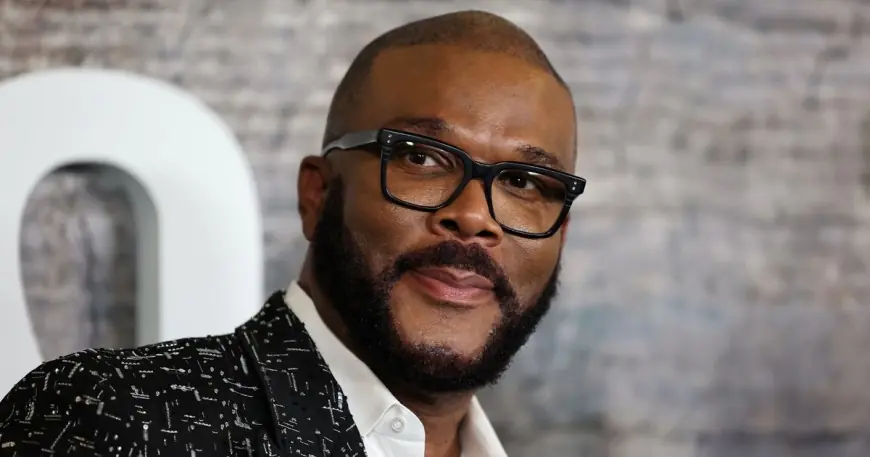
Tyler Perry’s new movie is a spin-forward from his long-running Madea universe, putting Uncle Joe in the driver’s seat for a chaotic cross-country college tour that mixes raunchy comedy with a familiar Perry trademark: family tension that turns into emotional truth at the last minute. The film debuted on Friday, February 13, 2026 ET, and it is already behaving like a high-velocity crowd-pleaser built for repeat viewing and quote-sharing.
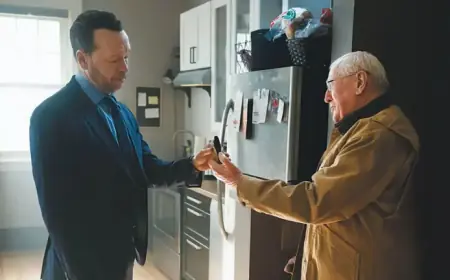
The hook is simple. Joe, loud and unfiltered as ever, takes his sheltered grandson on a trip to visit colleges, and the route becomes a parade of misadventures, unexpected mentors, and generational clashes. The bigger story is what Perry is doing strategically: widening the Madea world while keeping the recognizable ensemble close enough to feel like an event.
What happened: the basics of Tyler Perry’s new movie
This release is a road-comedy centered on Joe, one of Perry’s most abrasive and instantly identifiable characters. Perry plays multiple roles again, including Joe and Madea, and he is also the writer and director, maintaining the one-author voice that has defined his film brand for two decades.
The story leans into a tug-of-war between a father’s plan and a son’s independence. The college tour becomes a proxy for bigger questions: who gets to decide a young adult’s future, what “success” means across generations, and how a family handles the moment when a child’s choices diverge from the parent’s dream.
Comedically, the movie thrives on momentum. It’s structured to keep escalating: one stop goes wrong, the next goes worse, and somewhere in the chaos Joe stumbles into a version of wisdom that only works because it arrives wrapped in bad decisions and loudmouth bravado.
Behind the headline: why Perry made this movie now
This is a savvy pivot that shows Perry’s incentives clearly.
Context: audiences have been trained to expect familiar brands, but they also want “new within familiar.” A Joe-led story is exactly that. It preserves the Madea universe while offering a different engine: more movement, more fresh faces, and more space for set pieces that don’t require a single living-room location.
Incentives:
-
Expand the franchise without overusing the same central premise
-
Refresh the supporting cast pipeline with younger characters who can carry future stories
-
Keep creative control tight by continuing the writer-director-performer model that avoids committee storytelling
Stakeholders:
-
Perry’s core audience, who wants the comfort of familiar characters
-
Newer viewers, who may recognize the brand but want a cleaner entry point
-
The broader comedy market, which has been hungry for star-driven, unapologetically broad theatrical-style laughs even when films premiere at home
The bet is that Joe can carry a full movie without exhausting viewers. If it works, it creates a new branch of the franchise tree.
The cast and tone: crude comedy with a soft landing
The film’s cast mixes Perry regulars with newer performers, a pattern that has become part of his business model: build a universe where established characters anchor the audience while emerging actors pick up momentum and visibility.
Tonally, the movie is designed to feel more adult than some previous entries, leaning into edgier jokes while still protecting the emotional core. That combination is risky. Lean too crude and you lose the heart. Lean too sentimental and the comedy feels like a false start. This film tries to thread the needle by using Joe’s shock-value persona as the catalyst, then letting the family storyline deliver the payoff.
What we still don’t know: the unanswered questions that decide its staying power
Early buzz can be loud without being durable. The key missing pieces over the next two weeks are measurable and behavioral:
-
Whether audiences treat it as a one-night laugh or a rewatchable comfort title
-
Whether the Joe-centric approach broadens the franchise or splits longtime fans who prefer Madea as the main event
-
Whether the new younger characters become genuine additions or feel like temporary plot devices
The film also sets up a creative question for Perry: does he keep branching into character-led spin stories, or does he fold the experiment back into a more traditional ensemble formula next time.
Second-order effects: what this release could change for Perry’s next moves
If the movie sustains attention, it strengthens three things at once:
-
Perry’s leverage to keep making mid-budget comedies at scale
-
The argument that character universes can thrive without constant reboots
-
The pipeline of talent around his productions, especially newer actors who can become recurring faces
It also nudges the comedy landscape. When a broad comedy becomes a genuine event, other creators and studios take note, and the category gets permission to be louder again.
What happens next: realistic scenarios and triggers
-
Strong hold through the next weekend if word-of-mouth frames it as both funny and surprisingly heartfelt
-
A sharper drop if audiences decide the edge is too much or the road-trip structure feels repetitive
-
A fast-track push toward another spin story if viewers latch onto the younger characters and their future arcs
-
A return to a more classic ensemble setup if the feedback says the universe works best when everyone shares the screen
Tyler Perry’s new movie isn’t trying to reinvent him. It’s trying to prove that he can keep expanding his world without losing what made it work in the first place: big characters, fast jokes, and a family argument that ends in a reluctant hug.