

























FleetCheck Warns UK’s Pence-Per-Mile Scheme Spurs Car Clocking Risks

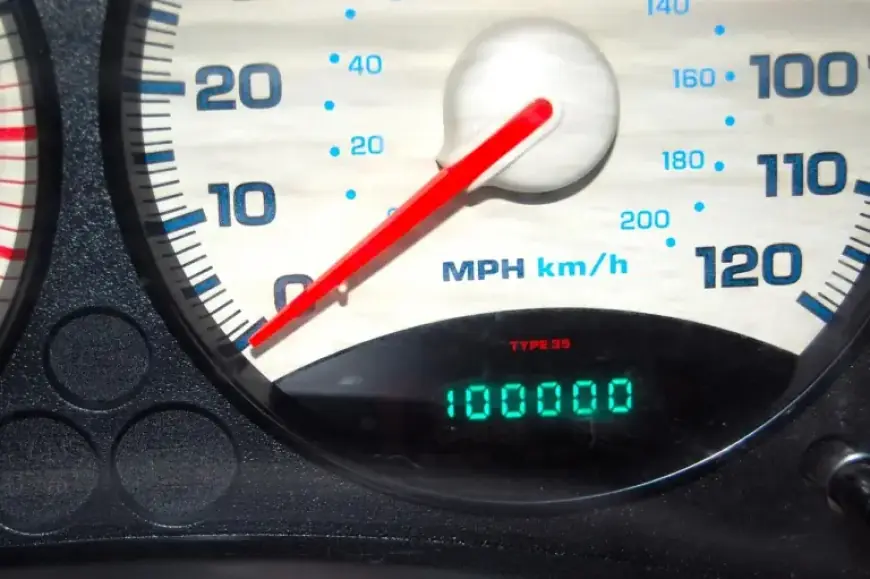
The introduction of a pence-per-mile scheme for electric and plug-in hybrid vehicles in the UK raises significant concerns regarding car clocking. FleetCheck, a leading fleet management software provider, warns that this new Electric Vehicle Excise Duty (eVED) scheme could encourage dishonest practices among vehicle owners.
eVED Scheme Overview
Set to launch in April 2028, the eVED aims to replace the revenue lost from fuel duty. The proposed rates are 3p per mile for electric vehicles (EVs) and 1.5p per mile for plug-in hybrids (PHEVs), with mileage verified during annual MOT inspections.
Clocking Risks Highlighted
According to FleetCheck Chief Executive, Peter Goulding, the allure of car clocking could lead to a marked increase in tampered odometers. He indicated that the financial implications of the eVED scheme could result in bills soaring into hundreds of pounds. Given this pressure, the temptation to underreport mileage might grow significantly.
- Proposed Rates: 3p per mile for EVs, 1.5p per mile for PHEVs.
- Implementation Date: April 2028.
- Potential eVED Bill: Up to £600 for 20,000 miles in an EV.
Goulding emphasized how simple and efficient current clocking techniques can be. He noted that altering vehicle mileage can often be done quickly and with minimal tools, leading to a startling prevalence of this practice.
Public Sentiment and Potential Impact
Moreover, feedback suggests that many drivers perceive the eVED concept as unfair. Historically, vehicle excise duty (VED) has not been directly linked to car usage, leading to discomfort among motorists who feel accustomed to flat-rate taxation.
Goulding concluded that the eVED initiative has the potential to significantly increase the number of clocked vehicles in the used market. He noted two primary motivations for clocking: enhancing vehicle value and reducing lease mileage. However, the implementation of eVED could heighten these motivations even further.
Ultimately, the proposal may introduce additional complexities and ethical dilemmas within the automotive landscape, raising concerns that could impact future vehicle imports, particularly into Ireland.