
























Europeans Defy US Claims of “Civilizational Erasure”

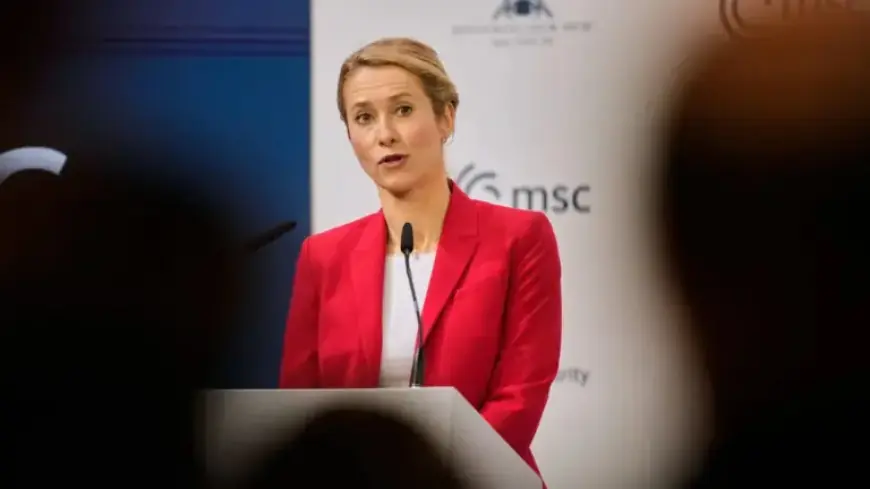
At the recent Munich Security Conference, key EU officials defended the continent against claims of “civilizational erasure.” This idea emerged from criticisms articulated in a U.S. national security strategy. European Union foreign policy chief Kaja Kallas strongly countered these assertions.
Europe Pushes Back Against U.S. Claims
Kajas Kallas addressed the press on February 15, 2026, in Munich, following remarks from U.S. Secretary of State Marco Rubio. Rubio’s tone showed a softer approach compared to Vice President JD Vance’s speech at last year’s conference. However, he emphasized the U.S. commitment to reshape the trans-Atlantic alliance.
Criticism from the U.S.
The U.S. national security strategy, released in December, suggested Europe is on a troubling path. It cited factors like immigration policies, declining birth rates, and perceived restrictions on free speech as contributing to Europe’s civilizational decline.
- Claims of economic stagnation
- Concerns of national identity loss
- Accusations of censorship and political suppression
Kallas’s Response
In her address, Kallas refuted the notion of a “decadent” Europe. “People still want to join our club,” she stated, referring to potential EU interest from Canada. She dismissed the accusations as “European-bashing,” highlighting Europe’s role in advancing human rights and contributing to global prosperity.
Acknowledgment of Shared Values
Rubio acknowledged a continued connection between the U.S. and Europe, stating, “the end of the trans-Atlantic era is neither our goal nor our wish.” He reiterated the U.S. stance on critical issues, including migration and climate policy. European leaders are determined to uphold values like free speech and climate responsibility.
Support from Other Leaders
British Prime Minister Keir Starmer also spoke at the conference, urging Europe to defend its diverse societies. He stressed that unity in diversity strengthens Europe. Starmer’s remarks reinforced Kallas’s view that differing opinions should not undermine the relationship between the U.S. and Europe.
Looking Ahead
Kallas emphasized the intertwined relationship between America and Europe. While differences will persist, she believes collaboration is essential moving forward. Both regions face complex issues but share common goals that can unite them in the future.