




















Wuthering Heights 2026: Emerald Fennell’s New Adaptation Arrives, Sparks Debate, and Reframes a Gothic Classic for Modern Audiences

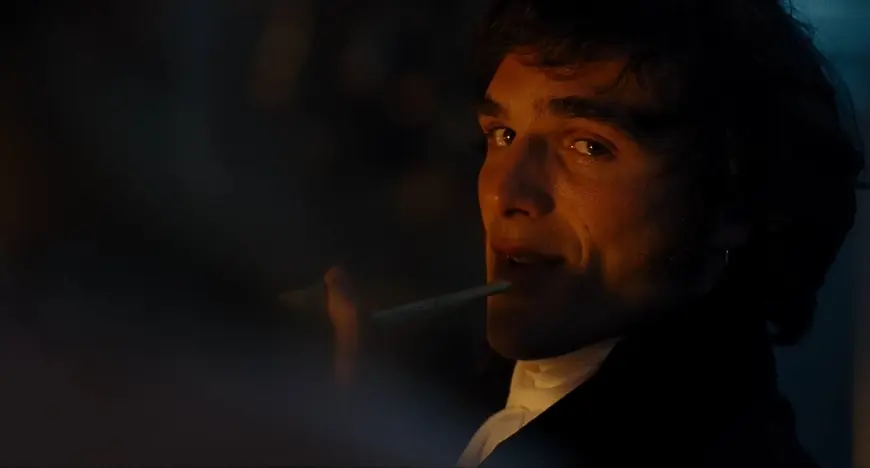
The 2026 film adaptation of Wuthering Heights landed in theaters on Friday, February 13, 2026, and it is already doing what a high-profile literary remake is supposed to do: pull in audiences fast while igniting arguments about what was kept, what was cut, and what the story is “really” about. The movie stars Margot Robbie as Catherine Earnshaw and Jacob Elordi as Heathcliff, positioning the Brontë classic as a feverish, romantic tragedy rather than the sprawling, multi-generation saga many readers remember.
Early box office traction suggests the release found its moment on the calendar. At the same time, reaction is sharply divided over the film’s tonal choices and its decision to streamline the book’s back half, turning a famously knotty novel into a more direct, two-hour emotional crescendo.
What happened in the 2026 Wuthering Heights adaptation
This version is written and directed by Emerald Fennell and centers on the volatile bond between Catherine and Heathcliff. Instead of giving equal weight to the novel’s later generational fallout, the film reportedly narrows the narrative to the couple’s rise-and-ruin arc, ending around Catherine’s death. That is a major interpretive choice: it shifts the story from “what this obsession poisons for decades” to “what this obsession does right now.”
The production also leans hard into immersive design and heightened sensuality. One of the most talked-about creative details is the way the film’s interiors are used to blur character and setting, including unusual texture-based set decisions that underscore the claustrophobic, haunted mood the story demands.
Behind the headline: why this version looks the way it does
A dense 19th-century novel is a brand, but it is also a risk. The incentives are clear:
-
A big-budget period romance needs a clean hook. The easiest hook is doomed passion.
-
A theater release window around mid-February rewards immediacy: romance, intensity, spectacle.
-
Modern audiences often respond more to a single, scorching through-line than to layered narration, nested timelines, and secondary arcs.
Those incentives encourage condensation. They also create the exact controversy now circulating: when you trim the second-generation storyline, you change what the story “does.” The novel’s later chapters complicate the idea that love is the whole point. The film’s structure, by contrast, makes the love story the engine and the endpoint.
Stakeholders: who benefits and who takes the heat
This is a classic three-way tension between creatives, rights holders, and audiences.
-
The creative team gains control and a strong authorial signature, but assumes reputational exposure if readers feel the adaptation is more remix than translation.
-
The financiers and distributors benefit if the film behaves like an event, but face downside if debate hardens into backlash and depresses legs after opening weekend.
-
Fans and new viewers are split: one group wants fidelity to structure and themes, another wants a visceral, cinematic experience that stands on its own.
There is also a cultural stakeholder problem: Wuthering Heights is a lightning-rod text in how it handles identity, class, and “otherness.” Casting and characterization decisions in any new version become part of a bigger argument about who gets to embody the story’s outsider figure and how that outsiderhood is framed.
What we still don’t know
Several missing pieces will determine whether the film’s early momentum holds:
-
How audiences outside the core fan base respond after the novelty fades
-
Whether word-of-mouth focuses on romance, shock value, or thematic flattening
-
How strongly the adaptation controversy affects repeat viewings
-
Whether awards-season positioning is realistic or simply a marketing halo
In other words, the opening splash is one thing; staying power is another.
What happens next: realistic scenarios to watch
-
Box office holds if couples and casual moviegoers treat it as a destination romance, regardless of book accuracy.
Trigger: strong weekend-to-weekend retention and social sharing centered on performances and visuals. -
A sharp second-week drop if debate over omissions dominates conversation.
Trigger: the film becomes “a take” rather than “the movie to see.” -
A split legacy where the film is praised for craft and mood, but rarely described as definitive.
Trigger: critics and audiences agree it is compelling, yet incomplete as an adaptation. -
Renewed interest in the novel and older versions, driven by argument rather than consensus.
Trigger: book sales, library holds, and classroom chatter spike as viewers compare endings. -
Copycat greenlights for other gothic classics aimed at the same mid-February audience lane.
Trigger: studios read the release as proof that heightened literary romance can still open big.
Why Wuthering Heights 2026 matters
This adaptation is less a museum piece than a referendum on how modern cinema treats canonical literature. The film’s biggest bet is that intensity can stand in for sprawl, and that narrowing the lens can deepen emotion rather than diminish meaning. Whether that bet pays off will be decided by what happens after the first wave of curiosity: does the story feel complete in its own cinematic language, or does it feel like a powerful first half that never fully reckons with the consequences that made the novel endure?
Either way, Wuthering Heights in 2026 is doing something few prestige remakes manage: it is not just being watched. It is being argued with.