

























Milan–Cortina Olympics: Who Leads the Medal Count at the 2026 Winter Games?

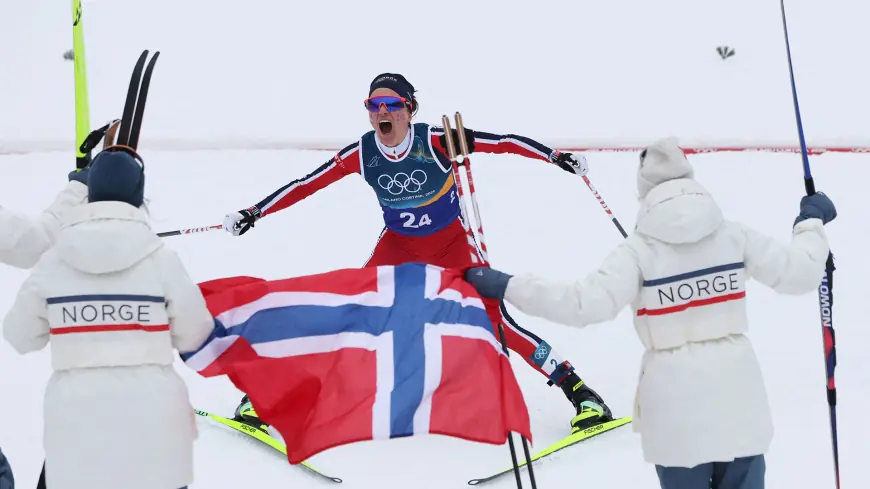
As the 2026 Winter Olympics reach their midpoint, one question keeps surfacing in press rooms and living rooms alike: who is leading the medal count, and what does “leading” really mean? The short answer is Norway, but the full story depends on whether you rank nations by golds or by total medals.
Two ways to top the table — and both point to Norway
As of Sunday at 8: 04 p. m. ET, Norway stood atop the official Olympic medal table, which ranks nations by number of gold medals first. That approach remains the global default: golds decide position, with silver and bronze used only to break ties. Measured by total medals, Norway also sits at or near the top — having collected more overall podium finishes than any other nation during the opening stretch of competition.
Counting methods matter. If golds are king, a nation with fewer total medals but more golds will lead. If every medal is treated equally, the standings can shift. Analysts and fans have shown a surprising appetite for variations in weighting — a gold might be worth three points in one scheme and five in another, while bronze often forms the unit baseline. Those choices produce different leaders and different narratives about which country is “dominant. ”
Standouts shaping the medal narrative
Individual performances have driven much of the shifting order. Johannes Hoesflot Klaebo has been a headline maker in cross‑country skiing, extending his Winter Games gold tally and moving closer to a sport record with a dramatic victory on Feb. 15, 2026. That result and others in Norway’s deep Nordic program have powered the team’s climb.
The United States has also been prominent early on. American athletes opened their account with gold in the women's downhill and a gold in the figure skating team event, while speedskater Jordan Stolz captured multiple golds and set Olympic records in sprint distances. The U. S. delegation — its largest-ever Winter team — has mixed marquee wins with podium depth, keeping it in contention under either counting system.
Host nation Italy has capitalized on early momentum as well, collecting medals across a range of events and briefly challenging for the top spots in the overall tally. Other notable moments include a historic medal earned by a South American athlete in alpine skiing, underscoring how the Games continue to produce firsts and surprises beyond the traditional powerhouses.
What to watch as the Games progress
With roughly half the events still to come, the medal landscape remains fluid. Nations with concentrated strengths in events still on the schedule — notably Nordic disciplines, speed skating and alpine ski events — can surge in the standings quickly. If Norway continues to convert podiums into golds, it could become only the second nation in recent decades to lead the Winter Games medal table for three consecutive editions.
Conversely, countries built on breadth rather than a handful of superstars could claw back ground if their athletes pile up silver and bronze finishes. That dynamic is why many viewers prefer the total‑medal perspective: it rewards consistent podium presence. Others argue the gold‑first approach better captures the primacy of the top step.
Whatever metric fans choose, the headline is the same: these Games have delivered high drama, national milestones and a shifting leaderboard that will keep analysts busy through the closing ceremonies. Expect late surges, historic individual pursuits and intense battles in the events that typically decide the winter medal race.