




















Ted Bundy’s cousin recalls the chilling moment that exposed the monster within

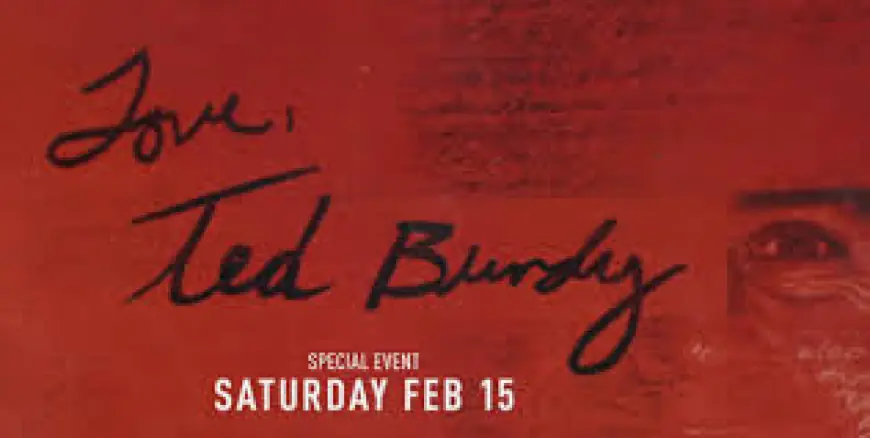
Edna Martin says a single afternoon in Seattle in late 1975 erased any doubt she had about her cousin Ted Bundy. Martin, now 74, recounts how a seemingly ordinary errand turned into a confrontation with a version of Bundy she did not recognize — a revelation she describes as the instant the family realized the accusations were true. The story is central to a new documentary that premiered on Feb. 15, 2026 at 6 p. m. ET and revisits the bond, the letters and the horror that followed.
A quiet drive that became a moment of reckoning
Martin remembers driving Bundy through Seattle when she stepped out briefly and left him in the car. When she returned, a crowd had gathered and Bundy was in the center of it, spinning slowly with his arms outstretched. He looked up and announced, "I'm Ted Bundy. " The gesture and the words did not feel like the shy, fishing-loving boy the family had known. Martin covered his mouth and hurried him back into the vehicle, the car filling with a silence she says was heavy with a dawning dread.
"My parents, my brother — we were just saying, 'This can’t be. It has to be some kind of mistake, '" Martin recalled. Then she looked at him and saw a smile that made her heart sink. "I went from feeling comfortable to feeling horrified, " she said. Alone in the car, she worried she might have to crash it if he lunged. When they arrived at his home, he simply stepped out and walked inside. Martin collapsed on her steering wheel and told herself, "He did it. "
Letters from death row and a fractured childhood bond
The documentary examines a long and complicated relationship that began in childhood and later became a source of torment for Martin. It includes correspondence Bundy wrote while on death row, material Martin says offered both intimate glimpses of his mindset and continued emotional strain for the family. Those letters, she says, prolonged the unwilling intimacy of their connection and underscored how different the man had become.
For Martin, the weight of the crimes is measured not only in numbers but in human terms: each victim was someone's daughter, sister or friend. She says the family clung to the hope that investigators had the wrong man, that the gentle child she knew could not be the architect of such violence. That hope evaporated in the moments she described from Seattle and in later evidence that linked Bundy to a series of kidnappings and murders across multiple states in the 1970s.
Legacy and the ongoing need to center victims
Bundy confessed to killing numerous young women during a killing spree that spanned several states. The documentary uses Martin’s testimony to probe how familial bonds can blind relatives to warning signs and how those bonds complicate the reckoning when a loved one is accused of monstrous acts. Martin describes feeling haunted by the knowledge for more than five decades, a burden she says never fully lifts.
The new film makes clear that the story is not simply about a notorious criminal but about the ripple effects of his crimes: the grief of families, the confusion of those who remember a different person, and the painstaking investigative work that ultimately brought him to justice. Martin’s account serves as a reminder that behind headlines and sensational details are people still living with the aftermath.
As the documentary revisits letters, interviews and recollections, it centers the voices of those who knew Bundy personally and those who lost someone to his crimes. Martin’s recollection is both intimate and chilling, a personal eyewitness account that transformed family disbelief into a sorrowful acceptance of a grim reality.