




















Wuthering Heights Movie 2026: The New Big-Screen Adaptation Ignites Box Office Buzz and a Fresh Fight Over a Classic

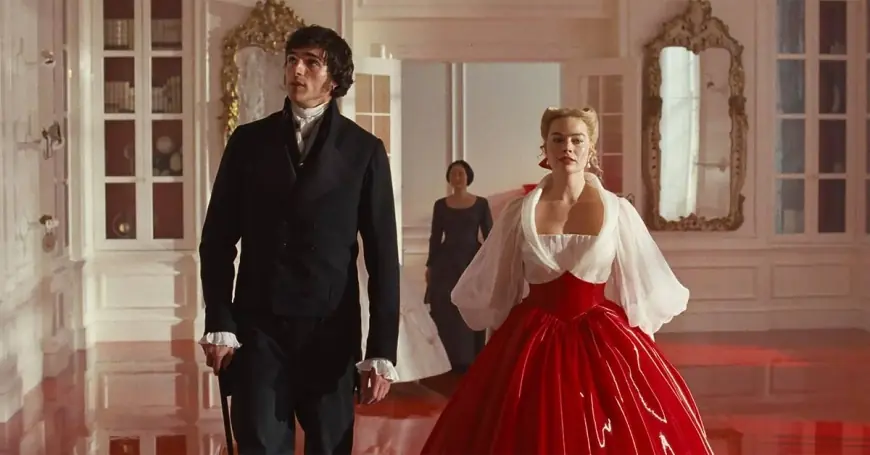
A new movie adaptation of Wuthering Heights arrived in theaters on Friday, February 13, 2026, ET, and it’s already doing what the Brontë classic has always done best: pulling audiences into a storm of obsession, class pressure, and moral ambiguity, then sparking loud arguments about what the story “should” be. Early box office reporting from opening day put the film at roughly 11 million dollars in domestic ticket sales, a strong start for a dark period romance in a marketplace dominated by sequels and spectacle.
The film is written and directed by Emerald Fennell and stars Margot Robbie as Catherine Earnshaw and Jacob Elordi as Heathcliff. Its theatrical debut has pushed the title back into everyday conversation, not only among literature fans, but also among viewers treating it as a full-fledged pop culture event.
What the Wuthering Heights movie is, and why this version feels different
At its core, Wuthering Heights remains the same haunted engine: love that curdles into possession, vengeance, and self-destruction, set against a landscape that feels like it’s judging everyone on screen. What differentiates a new adaptation is always the choice of emphasis.
This version leans hard into sensuality, mood, and psychological heat. It is not trying to be a tidy “prestige” literary translation. Instead, it treats the story like a pressure cooker: emotional extremes, heightened atmosphere, and a modern sense of pace. That approach makes the film accessible to viewers who have never read the novel, but it also guarantees debate among purists who want fidelity to the book’s structure, narration, and moral messiness.
Behind the headline: the incentives driving the adaptation
A classic gets revived when multiple incentives line up:
-
Studios want recognizable titles that cut through the noise.
-
Filmmakers want material with built-in mythic weight.
-
Stars want roles that can be marketed as “iconic,” “challenging,” and awards-adjacent.
-
Audiences want either nostalgia or a new cultural moment they can argue about.
This adaptation hits all four. The title is globally familiar, the romance is legendarily intense, and the casting makes it easy to sell the film as both prestige and spectacle. The marketing hook is not just “a book you read in school,” but “a story built for big feelings on a big screen.”
The biggest pressure point: Heathcliff, casting, and interpretation
Every Wuthering Heights adaptation runs into the same collision: Heathcliff is described in ways that have fueled decades of debate over his identity and how that identity shapes the story’s power dynamics. Any modern casting choice will be interpreted as a statement, whether the production intends it or not.
That debate matters because it changes the moral geometry of the plot. If Heathcliff is framed primarily as an outsider by class, the story reads one way. If he is framed as an outsider by both class and race, it reads another way. When audiences argue about casting, they are often really arguing about which version of the story they believe the culture should be telling right now.
What we still don’t know, even after opening weekend arrives
Early momentum does not answer the key questions that will define the film’s staying power:
-
Will broader audiences embrace a bleak romantic drama beyond opening weekend, or will interest fall fast?
-
Will word-of-mouth focus on chemistry and visuals, or on perceived changes from the novel?
-
Will awards-season attention materialize, or will the movie be treated as a flashy cultural flare-up?
-
How internationally robust will the performance be, given the story’s deep roots in British literature?
These unknowns will become clearer as weekend totals settle and as second-week drops reveal whether audiences are recommending it or merely sampling it.
Second-order effects: why this release could reshape the market for literary adaptations
If the film holds well, it signals something bigger than one hit: a renewed commercial lane for adult-skewing literary romances that are unapologetically intense. That could encourage more adaptations of classics that have been considered “too dark,” “too interior,” or “too morally unpleasant” for mass audiences.
It could also shift how filmmakers treat canonical books: less museum-piece reverence, more bold authorial perspective. That trend would delight some viewers and alienate others, but it would undeniably make literary adaptation a livelier corner of cinema.
What happens next: realistic scenarios and the triggers to watch
-
Strong hold in week two
Trigger: audiences keep showing up after the initial curiosity wave.
Result: the film becomes a genuine multi-week player, not a headline-only release. -
Steep drop but big cultural footprint
Trigger: curiosity is high, repeat viewing is low.
Result: the movie lives on through debate, clips, and discourse, even if ticket sales cool quickly. -
Awards push gains traction
Trigger: acting and craft work become the focus rather than controversy.
Result: the film gets re-framed as serious prestige, boosting late-run sales. -
Debate overwhelms the movie itself
Trigger: conversation fixates on casting and “faithfulness” above all else.
Result: the narrative turns into a referendum on adaptation culture, not the film’s quality.
Why it matters
Wuthering Heights endures for a reason: it is a love story that refuses to behave like a love story. A major new movie version arriving in February 2026, opening with a notable first-day box office surge, shows that audiences still want messy, morally charged romance when it’s delivered with confidence and scale. Whether this adaptation becomes a lasting benchmark or a loud flashpoint will depend on one thing: not how closely it follows the book, but how convincingly it makes viewers feel the storm.