






















Nikita Volodin’s Comeback Elevates Him as Germany’s Olympic Medal Hopeful

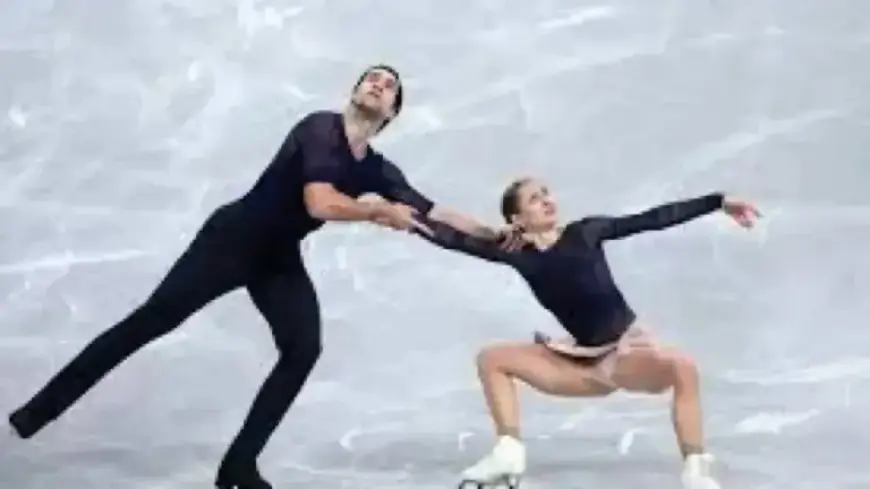
Nikita Volodin’s transformation from a stagnant career in Russia to a prime contender for Olympic success with Germany is nothing short of extraordinary. After nearly four years away from top-level competition, Volodin joined forces with German figure skater Minerva Fabienne Hase. Their partnership, formed in 2022, has rapidly positioned them as hopefuls for a medal in the upcoming Winter Games.
A New Beginning in Figure Skating
Volodin’s early career was fraught with challenges, forcing him to spend several years performing in ice shows rather than competing for international titles. This trajectory changed dramatically when Hase’s coach organized a tryout for the two skaters in 2022. Hase was searching for a new partner after her prior collaboration ended when she tested positive for COVID-19 shortly before the 2022 Games.
Revitalized Aspirations
- Volodin’s partnership with Hase revitalized his competitive spirit.
- He expressed his excitement, stating, “Now I’m standing here and I can skate on Olympic ice, and it’s wonderful.”
Since teaming up, their impressive performances have caught the attention of the figure skating community. Notably, Volodin and Hase clinched bronze at the ISU Grand Prix of Figure Skating Final on December 5, 2025, showcasing their strong technical skills and remarkable on-ice chemistry.
From Exhibitions to Olympic Contenders
The leap from show skating to elite competitive figures is rare. Volodin not only had to regain his technical consistency but also build timing and trust with Hase. Their rapid improvement exemplifies their dedication and guidance from talented coaches.
Throughout the season, Volodin and Hase have drawn attention with their dynamic performances. Their combination of powerful lifts, precision, and renewed competitive spirit has made them potential dark horses in a highly competitive pairs field.
Changing Trends in Winter Sports
Volodin’s journey reflects a broader trend observed at the Winter Olympics. Numerous athletes who were born in Russia or previously competed for the country have switched national allegiances. Currently, over 30 athletes are representing various nations, significantly surpassing those competing under neutral flags due to geopolitical restrictions since 2022.
For many athletes, changing national representation has become essential for continuing their competitive careers. Volodin’s transition to Germany and his swift rise through the ranks illustrate how changes in nationality and partnerships can drastically shift the competitive landscape in sports.
Looking Ahead to Olympic Success
As the Winter Olympics draw near, all eyes will be on Volodin and Hase. Their objectives include achieving high technical scores and embodying resilience and adaptability in elite sports. Their journey highlights that setbacks and changes in direction can be overcome through the right partnership and unwavering determination, making them a team to watch in the upcoming competitions.