






















'Wuthering Heights' Gallops Toward $82 Million Global Debut

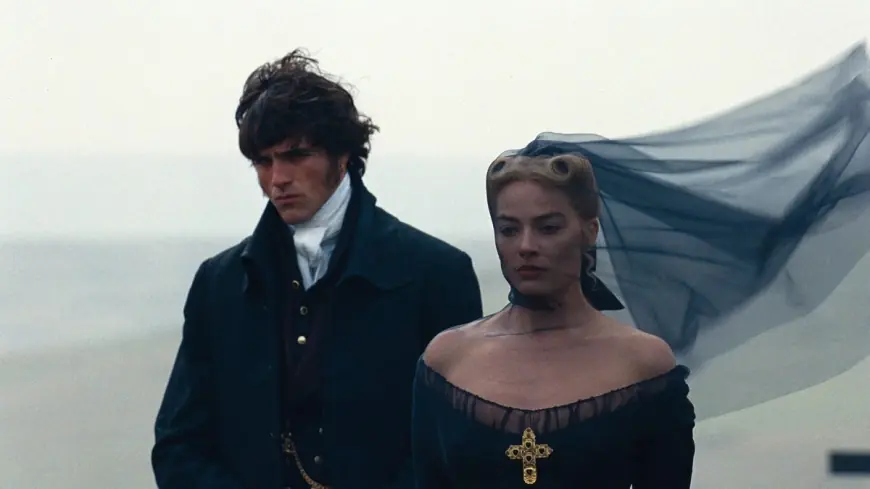
Emerald Fennell’s provocative reworking of Emily Brontë’s classic has opened strongly, bringing an R-rated romance and star power to a crowded holiday weekend and triggering discussion about theatrical strategy, casting choices and the role of women directors in Hollywood.
Box office numbers and theatrical bet
Studio estimates put the film on pace to sell roughly $40 million in tickets from Friday through Monday in the United States and Canada, with an additional roughly $42 million expected from overseas markets. That would produce a pulse-quickening global total near $82 million in its debut. The distributor placed the picture in more than 18, 000 theatres worldwide, a wide release strategy the filmmakers prioritized over a larger streaming offer.
Producers invested heavily in the production — the film's production budget is estimated at about $80 million, not counting substantial marketing expenditures. Early audience metrics show a predominately female turnout and a sizable white majority among ticket buyers; exit-poll style grading placed the picture at a B on a standard movie-goer scale.
Reception, controversy and the adaptation choices
Audience responses have split from rapture to revulsion. Some screenings produced breathless reactions and enthusiastic social chatter, particularly around the chemistry of the two leads and the heightened, stylized sensuality Fennell leaned into. A first-person account of a private screening captured a near-frenzy among viewers who embraced the film's candy-floss eroticism and heightened tone.
At the same time, critics and members of the literary community have focused on key changes to the novel's portrayal of Heathcliff, a character long debated for racial and social identity in the original text. This adaptation recasts elements of the figure that many readers regard as central to Emily Brontë’s novel, a move that has drawn particular criticism for erasing aspects of the character’s described background. Reviewers have also taken aim at the film's tonal choices, with some calling the reimagining campy, overwrought or emotionally hollow.
Fennell’s script and direction further streamline the novel, trimming away the next-generation storyline that follows the children and condensing several major arcs into a more compact, sensation-forward portrait of Catherine and Heathcliff’s relationship. Those creative decisions have been central to the divide: viewers who come for a modern, provocative love story have applauded the approach, while purists and some critics have faulted the film for sidelining the book’s darker social textures and psychological complexity.
Industry context: a win for a woman director and what it might mean
The movie’s healthy launch underscores a broader point about opportunity in Hollywood. The director behind the film has been one of the rare women in recent years to receive substantial backing for multiple features, despite earlier titles that did not deliver large box office returns. Her first feature won major awards recognition and her second was modestly successful; the new picture marks a clear escalation in studio confidence and spending.
Observers who study gender dynamics in film point out that studios often extend more second chances to inexperienced male directors than to women. With domestic ticket sales showing slow but steady recovery — North American theaters sold roughly $8. 9 billion in tickets last year, a small uptick from the prior year but still behind pre-pandemic levels — some industry watchers say studios should be more aggressive about nurturing fresh perspectives, including those from women directors.
Whether this film’s strong opening will translate into a lasting shift in greenlighting practices remains to be seen. The distributor has already scheduled a high-profile release next month directed by another prominent woman filmmaker, signaling that at least one major company is willing to place big bets on female auteurs. For now, the new Wuthering Heights stands as both a commercial success and a cultural flashpoint—one that will likely shape conversation about adaptation, representation and studio decision-making for months to come.