











Why James Van Der Beek Needed Help to Pay His Medical Bills

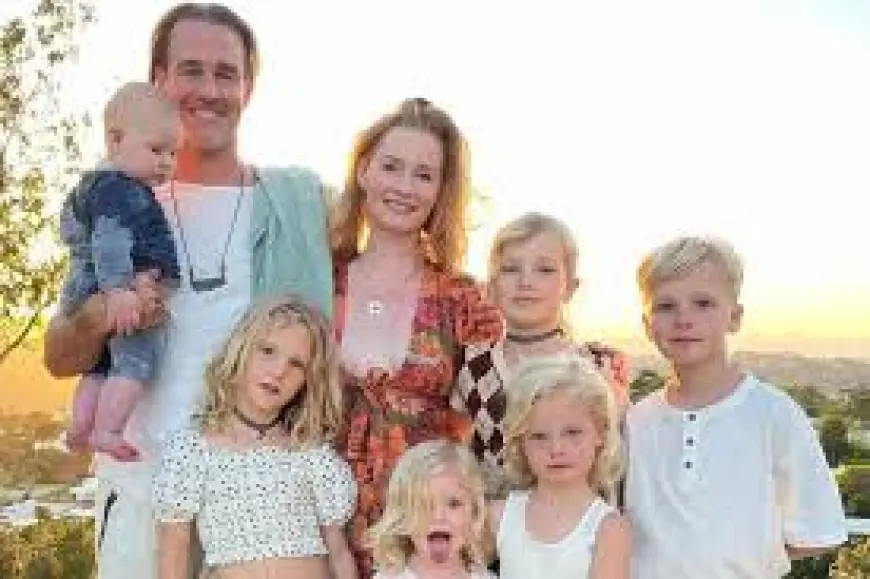
James Van Der Beek, the actor best known for starring as Dawson Leery in a hit 1990s teen drama, died on Wednesday, Feb. 11, 2026 (ET) after a three-year battle with colorectal cancer. The public fundraising that followed — and the items he auctioned off to cover treatment costs — has prompted fresh conversations about how medical bills, changing compensation models and insurance rules can leave families at financial risk, even when a name remains familiar to millions.
Medical costs, auctions and a growing fundraiser
Van Der Beek and his family made clear in the months before his death that cancer treatments had become a heavy financial burden. To help cover expenses, he auctioned off memorabilia saved from his career: a tartan buttoned shirt from the first episode of his breakout series, a necklace seen in the show and a pair of sports shoes from a 1999 film role. Collectors paid thousands for items tied to that era, with one childhood-themed prop selling for nearly $6, 000 and posters and figures fetching a few thousand each.
Beyond those sales, a public fundraising campaign drew substantial support from fans and industry figures, surpassing $2 million and reaching roughly $2. 3 million by the family’s account. The donations were framed by the family as a lifeline in a time of deep grief, with a statement expressing gratitude and saying the community’s help had been a light amid sorrow.
Fame, contracts and the erosion of residual income
Van Der Beek’s situation highlights a harsh reality for many performers: visibility doesn’t always equate to long-term financial security. He has said in prior interviews that his early contract paid him almost nothing and did not include residual payments for reruns. That kind of deal was not uncommon decades ago, and the shift to streaming has further weakened traditional revenue streams that once supported working actors between jobs.
Residuals — ongoing payments when shows and films are re-aired or streamed — once provided a steady income for many creatives. With those earnings diminished or structured differently under modern streaming agreements, actors can find gaps in the kinds of income that used to help cover medical and living expenses during lean periods.
Health insurance in the entertainment industry is also tied to employment thresholds. To qualify for union-based health coverage, a performer often must meet minimum work days or earnings on union jobs in a calendar year. Van Der Beek continued working after his diagnosis, including appearances on a 2025 series, but it remained unclear whether that output met the eligibility requirements for union insurance benefits that could have eased out-of-pocket costs.
Industry response and broader implications
The campaign to support Van Der Beek drew notable individual donations from filmmakers, actors and others, with several contributors offering six-figure-level support collectively. Some donors pledged monthly stipends to help the household, while a diagnostic company that had worked with him made a large contribution. Several substantial gifts were made anonymously, and one donor offered a recurring monthly gift to the family.
Beyond the immediate fundraising, the episode has revived debate about how healthcare and compensation structures intersect in the creative industries and across the country. High and unpredictable medical bills remain a leading cause of financial distress for American families; when a household loses the breadwinner or faces prolonged illness, the combination of lost income and mounting treatment costs can quickly become destabilizing.
Van Der Beek’s family emphasized that the generosity shown in recent months was deeply meaningful. In their statement they wrote that the support had reminded them that love and community are real, and that his spirit continued to bring people together. As the industry and public reckon with his passing, the wider conversation about pay structures, insurance eligibility and the safety nets available to working artists looks set to continue.