



















Austin Dillon: 'This Is the Great American Race' — What Daytona 500 Means to Drivers

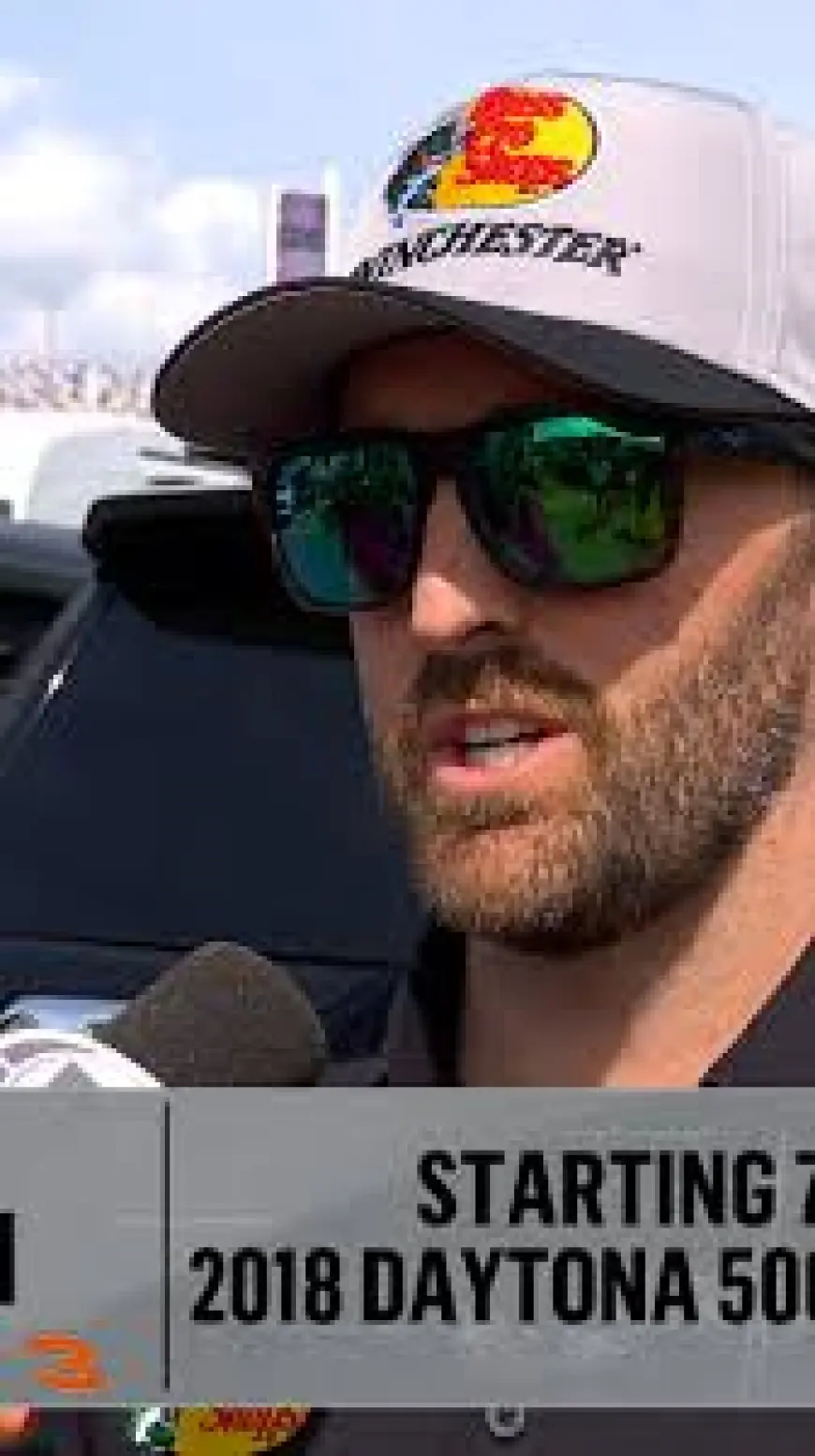
Austin Dillon framed the Daytona 500 in simple, unwavering terms: this is the Great American Race. As teams and drivers head into the season-opening marquee event, Dillon's words underscore why Daytona holds outsized meaning in stock-car racing — from careers forged on its high banks to the unique pressure of a winner-take-all spring Sunday at the track.
Dillon on tradition, pressure and personal stakes
For Dillon, Daytona is more than another points race. It is the one that can define a year, alter a legacy and deliver a career-defining moment. He emphasized the race's historical pedigree and what it asks of a driver: precision in the pack, patience in strategy, and the ability to thrive under national scrutiny. Those elements combined create a pressure cooker that rewards timing and teamwork as much as raw speed.
Dillon also highlighted the emotional side of the event. Veterans feel the weight of history, while younger drivers view the 500 as a proving ground. Winning at Daytona resonates with sponsors, fans and locker rooms in ways few other races do. For many competitors, a strong showing in this race shapes the narrative for the entire season and can change the conversation around a team’s prospects.
What to watch at Daytona: strategy, pack dynamics and veteran influence
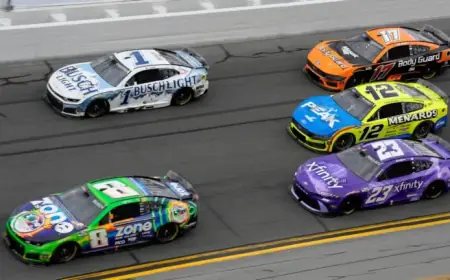
The Daytona 500 demands a different kind of race management. Drafting partners, pit-sequence calls and split-second choices in the draft often determine whether a contender survives until the final laps. Dillon pointed to teamwork as a decisive factor: the right alliances in the pack and clean pit stops are frequently the difference between victory lane and an early exit.
Pack racing introduces volatility. A small mistake or an ill-timed move can trigger a multi-car incident that reshuffles contenders in an instant. Experienced drivers bring an edge in navigating those chaotic moments, and their counsel within teams can prove invaluable. That veteran presence—drivers and crew chiefs who have weathered many Daytons—helps younger racers interpret the race’s ebb and flow and make smarter calls under pressure.
Equipment and aerodynamics also play a major role. While raw horsepower matters, the interplay of cars within the draft, and how a driver uses aero to seal or create opportunities, often dictates outcomes. Dillon emphasized that patience and situational awareness win more often than aggressive gambits early in the race.
For fans and the sport: why the Daytona 500 still matters
The Daytona 500 is both spectacle and season litmus test. It attracts casual viewers and hardcore fans alike, offering a national stage where narratives are born. A strong performance elevates a driver's profile; a win at Daytona can provide momentum, sponsorship interest and renewed confidence for the months ahead.
Dillon’s message to fans and competitors is straightforward: expect drama, respect the race’s history and recognize the unique rhythm of the 500. As teams finalize setups and drivers refine strategies, the event remains a reminder of why stock-car racing combines tradition, teamwork and split-second decision-making in a way few other sports do.
In the weeks leading up to the Daytona 500, drivers will continue to talk about legacies and checklists. But when the green flag drops, results will be decided in the moment — and for many in the paddock, that moment is what makes Daytona the Great American Race.