











T.J. Oshie revisits iconic 2014 Olympic shootout, reveals he was winded between attempts

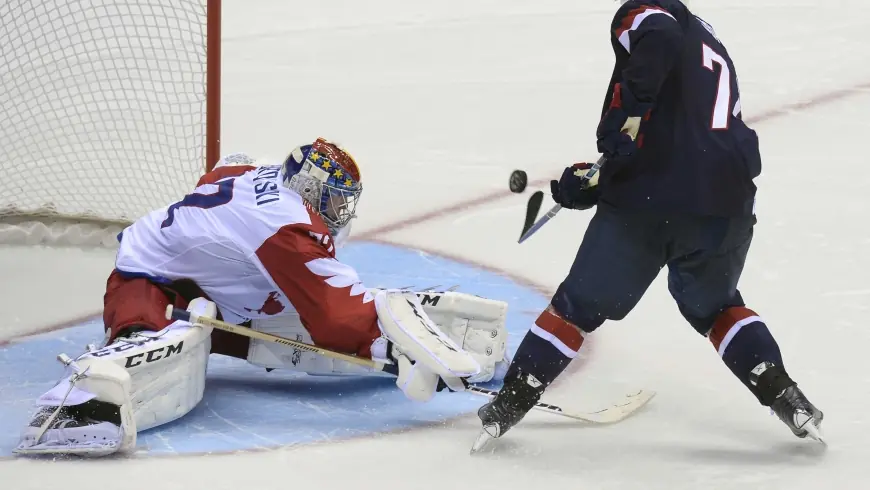
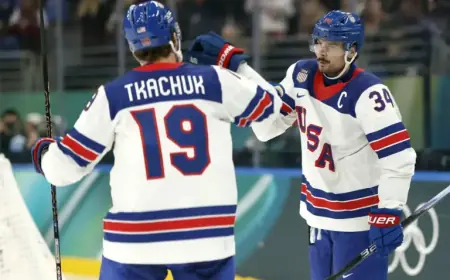
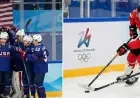
Olympic shootout heroics took a candid turn this week as T. J. Oshie reflected on the stamina and improvisation behind one of U. S. hockey's most replayed moments. Speaking in a recent interview and on a popular hockey podcast, Oshie walked listeners through how exhaustion and old-school coaching decisions intersected during the famous preliminary-round shootout with Russia on Feb. 15, 2014 (ET).
“I was getting a little tired”: the human side of a clutch performance
Oshie’s recollections strip away the highlight-reel sheen and show the ordinary strain of elite competition. He described having had almost no ice time in the run-up to the shootout, recalling, "I might have had one shift in like a 45-minute span before the shootout. First time I touch the puck, I'm like, 'Man, my stick feels so long. '" That lack of rhythm, he said, left him winded as he stepped up for repeated attempts.
Despite the fatigue, Oshie ended up taking six attempts in the marathon shootout—five consecutively—and converted four of them to secure the U. S. victory. He laughed about needing a short rest on the bench before volunteering to go again, noting that even the head coach reacted with amusement when Oshie offered to return for another attempt. The exchange highlighted the mix of planning and on-the-fly decision-making that often determines who takes crucial shots in high-pressure moments.
Legacy, lessons and what the moment revealed about pressure
The shootout itself has lived on in hockey lore: a single-game sequence that elevated a player into national recognition and reshaped public memory of the 2014 tournament. Oshie’s new recollections reinforce why the moment resonated. Beyond the goals, it was a study in managing adrenaline, fatigue and self-belief under intense scrutiny.
Oshie’s candor also underscores a broader truth about elite athletes: preparation and endurance don’t always follow the neat timelines fans imagine. Short benches, limited shifts, and the rhythm of play can leave even top competitors searching for timing and balance. That he could steady himself in the moment and deliver multiple successful attempts speaks to both skill and mental toughness.
Why the story still matters
Revisiting the shootout now—years after the scoreboard clinched a memorable win—offers fresh perspective for younger players and long-time fans alike. Oshie's willingness to describe exhaustion, the small missteps and the quick humor exchanged with coaching staff humanizes a scene often reduced to highlight clips.
For the athlete himself, the episode remains a career touchstone. It captures how split-second choices and stamina can define a game, a tournament and a career highlight. For hockey audiences, those behind-the-scenes details deepen appreciation for the balance of physical readiness and mental resolve required at the highest levels of competition.
Whether remembered for the goals or the grit, the six-attempt sequence on Feb. 15, 2014 (ET) endures, and Oshie’s fresh commentary keeps the conversation alive—revealing that even the most iconic moments are built on ordinary human limits stretched by circumstance and courage.