
























Washington’s Delaware Crossing Signaled a Global Shift

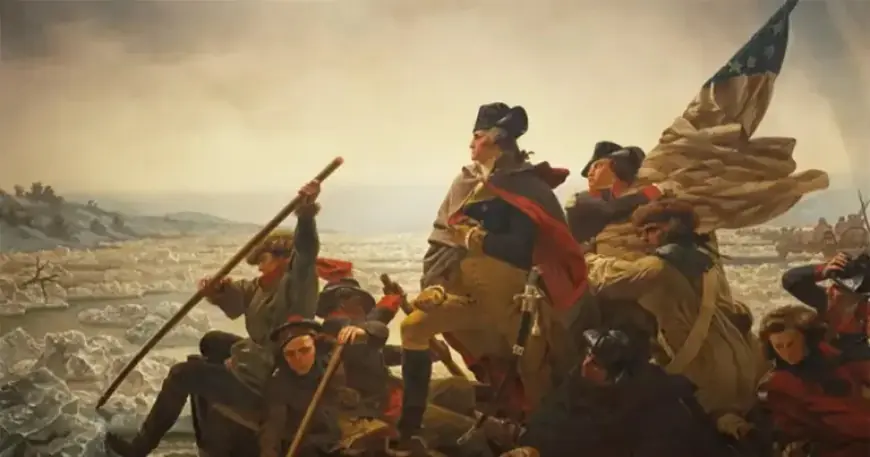
The iconic moment of General George Washington crossing the Delaware River has significant historical and climatic implications. This pivotal event occurred on Christmas night in 1776, during a critical point in the American Revolutionary War. Washington’s troops faced impending collapse due to a series of defeats, with winter conditions playing a crucial tactical role.
Climate Conditions Impacting Military Strategy
As Washington’s forces prepared for the surprise attack on Trenton, icy conditions formed in the Delaware River, which the enemy assumed would hinder the Americans. Historians, like Alex Robb from Washington Crossing Historic Park, emphasize that the freezing temperatures worked to Washington’s advantage, providing an unexpected element of surprise. The success at Trenton was a turning point, indicating that victory in the war was still achievable despite previous losses.
Records of Historical Cold Weather
- Year of Crossing: 1776
- Notable Date: Christmas Night
- Location: Delaware River, near Trenton, New Jersey
During this era, Americans were accustomed to harsher winters. Thomas Jefferson’s weather records indicate that cold conditions were prevalent. However, recent data indicates a shift in climate patterns, with winter temperatures in the Philadelphia area rising significantly.
The Ongoing Climate Change Challenge
Research by Climate Central shows that average winter temperatures have increased by 5.5 degrees Fahrenheit since 1970. This warming trend suggests that while cold snaps still occur, their frequency and intensity have diminished over the years.
The Ice Core Evidence
Insights into historical climate shifts come from ice cores extracted from glaciers in Greenland and Antarctica. Glaciologist Eric Steig notes that these cores contain air bubbles trapped for centuries, providing a glimpse into the atmosphere during events like Washington’s crossing.
- Year Range of Ice Core Analysis: Back to 1776
- Significant Change: Spike in carbon dioxide levels around 1800
Increased carbon levels correlate with the beginning of fossil fuel consumption, intensifying global warming. These findings highlight the long-term environmental changes initiated during the Industrial Revolution, which coincides with the Revolutionary War period.
Lessons from the Past
As the world grapples with climate change, understanding the historical context of temperature variations offers valuable insights. Eric Steig suggests that if Washington were to witness the current climate conditions, he would recognize significant changes affecting both the environment and societal challenges.
Both the crossing of the Delaware and the evolution of climate change serve as critical narratives in shaping our understanding of history and the future. As we reflect on these events, they remind us of our responsibility to address ongoing environmental challenges.
For more information, refer to insights from Alex Robb (Washington Crossing Historic Park), Jen Brady (Climate Central), and Eric Steig (University of Washington).