

























What the SAVE America Act (SAVE Act) would change about voting in the U.S.

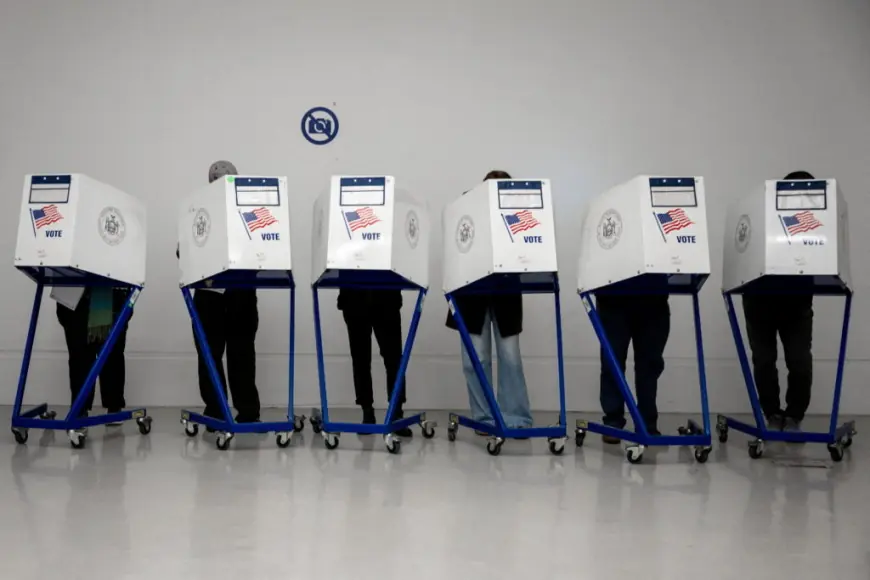
The House narrowly approved the SAVE America Act in a 218-213 vote Wednesday night ET, advancing a package of federal rules that would overhaul how Americans register and cast ballots in federal elections. Backers frame the measure as a national security and election-integrity reform; critics call it an unprecedented expansion of voter restrictions that risks disenfranchising millions.
Key provisions: documentary proof of citizenship and a nationwide voter ID
The centerpiece of the legislation is a documentary proof-of-citizenship requirement for voter registration in federal contests. Under the proposal, registrants would generally need to present primary documents such as a U. S. passport or a birth certificate to qualify. The bill also contains an option for a nationwide voter ID mandate at polling places, elevating state-level ID practices into federal law.
Proponents argue these measures would safeguard elections by ensuring only eligible citizens participate. Opponents note that noncitizen voting in federal contests is exceedingly rare and punishable under existing law, and that new documentary hurdles could block legitimate voters who lack immediate access to birth records, passports or other listed documents. Critics also point out that some forms of identification referenced in the legislation — including IDs compliant with federal REAL ID standards — do not explicitly denote citizenship and are issued to noncitizens as well.
Political landscape and legal questions
The bill’s path now shifts to the Senate, where prospects remain uncertain. A small group of Senate Republicans has mounted a campaign to secure support, and one Republican senator has signaled backing for the House-passed text while stopping short of endorsing changes to filibuster rules. That endorsement increases the chances of advancing the bill to debate, but it does not erase the 60-vote threshold usually required to overcome a filibuster.
Senate leaders face multiple paths: attempt to pass the House bill intact, pursue alternate Republican-crafted language, or use procedural tools that could prolong floor debate for weeks or months. Even if the Senate moves forward, swift litigation is likely if the measure becomes law; voting rights groups and civil-rights attorneys have already warned that the changes would be challenged as discriminatory and burdensome, particularly for communities that face higher documentation barriers.
Broader stakes and next steps
Beyond the immediate legal fights, the debate over the save act highlights deeper tensions about federal versus state control of elections. The Constitution delegates primary responsibility for administering elections to the states, and many election officials from both parties have cautioned that sweeping federal mandates could disrupt long-standing local procedures and create confusion at polling places.
The president has publicly endorsed stronger federal election rules and indicated a willingness to pursue executive actions if Congress fails to deliver measures he supports. Such a move would likely face rapid court challenges and raise separation-of-powers questions, but it underscores the national political salience of the issue heading into the next major election cycle.
For now, the legislation marks the latest iteration of a push to tighten voting requirements at the federal level. The coming weeks will test whether Senate maneuvering, legal opposition and operational concerns from state administrators can block or reshape an effort that supporters say will restore voter confidence and opponents say will undermine it.
Filmogaz will continue to monitor developments, including any Senate action and potential court challenges, and will report on how proposed changes could affect voters across the country.